In Sterne's Tristram Shandy the naming of his newly born protagonist goes wrong owing to a mistake; his intended name, Trismegistus ('thrice- greatest'), ends up as Tristram ('sad sack').
— Jorg Heiser
Off you go, and may all the whores on Olympus look favorably upon us
— Samuel Beckett to George Reavey, 23 June 23 1934
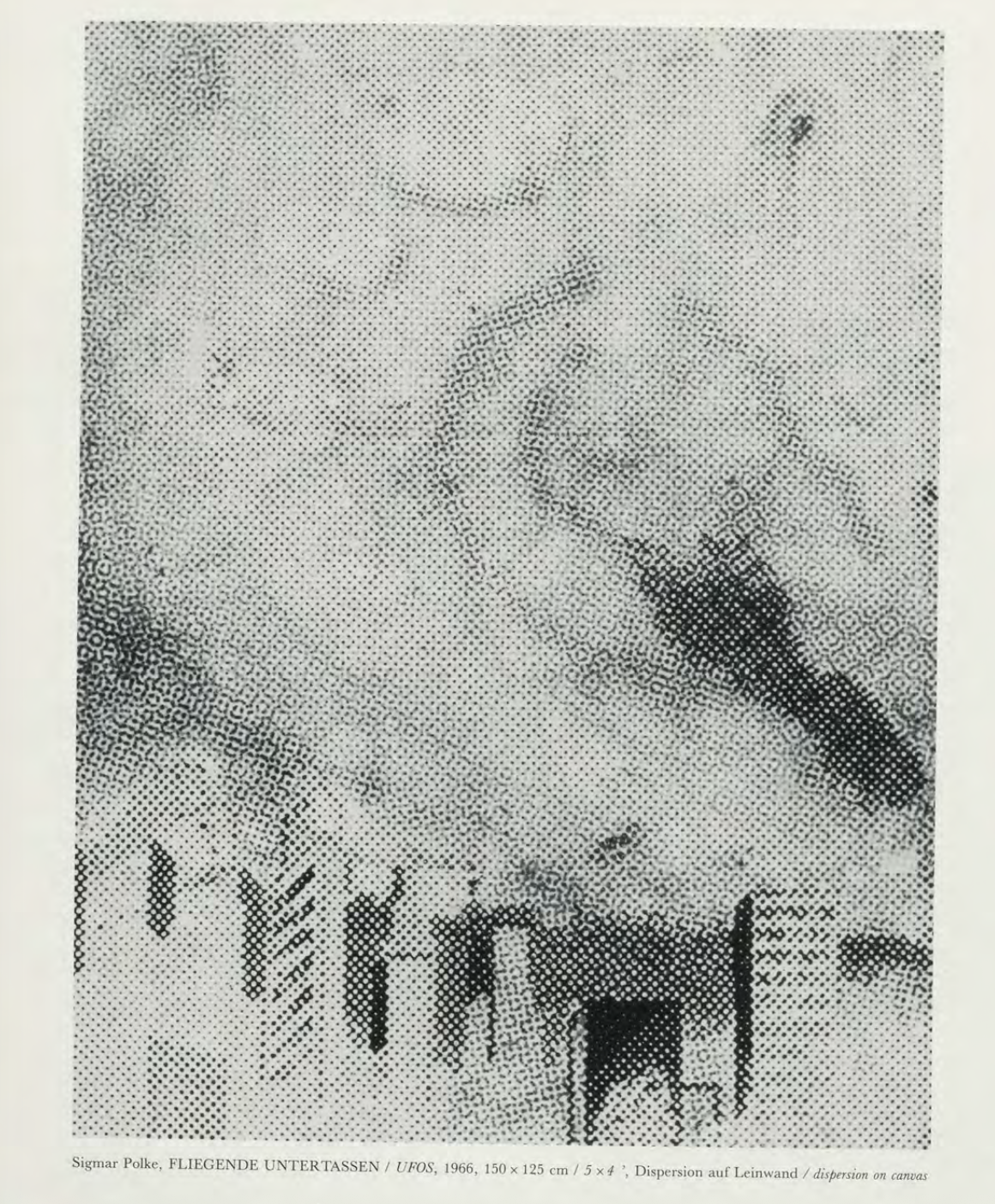
“'Connection reflection neglection correction erection,” Polke wrote in Kunst-Nachrichten in 1977. Words that name all essential components: these were the fundamental conditions of artistic production in West Germany.
— Jutta Koether
*
In the mid-1960’s, Gerhard Richter, Manfred Kuttner, Sigmar Polke, and Konrad Lueg (better known later as the gallerist Konrad Fischer) pioneered a sort of Pop that was drained of eye-popping color and commodity allure. They called it “Capitalism Realism” and doused its affect with the grey winter coat of West German middle-class culture. The name played was a combination of plays —challenging the insincerity of Warhol’s Pop Art; revealing the rigorous positivity-cult of Socialist Realism and its idealization of an abstract People in the name of their Leaders; opposing the evasive sophistication of the still hegemonic 50s' styles of abstraction for its erasure of humans.
I’ve been admiring Sigmar Polke’s art this week, after falling into the sort of rabbit-hole which appears when I think about how to approach the writing of fiction. Every rabbit hole makes itself known in the presence of a poem, and it would take hours to describe how an Ashbery led to me to the dots of Sigmar Polke. Respect for the inclines me to offer the poem and spare you the said description.
The year was 1985. John Ashbery wrote a three-stanza’d creature titled “Dream Overture.” The poem went unpublished. Nonetheless, another poet named Phillip Crymble shared it on twitter, thus does the work of publishing continue— for publishing, if anything, involves the sharing of text.
Dream Overture
Saddled with understanding,
It takes some getting used to,
The little bar
In which two people sat
And talked and smoked together,
The thirties.In the streets outside it was clean,
But cheap. Inside all was fair—
All the air
That can only be inside.
There are men in cowboy hats,
Children who want no attention,
And get none.This is what understanding
Creates: the chorus.
And if it is meant all ways,
On certain days
Becomes thin and plain again,
Trim.
And now, for a different poem, less thin and plain, saddled with its own understanding, and situated as a little bar above several pieces by Polke which continue to captivate me.
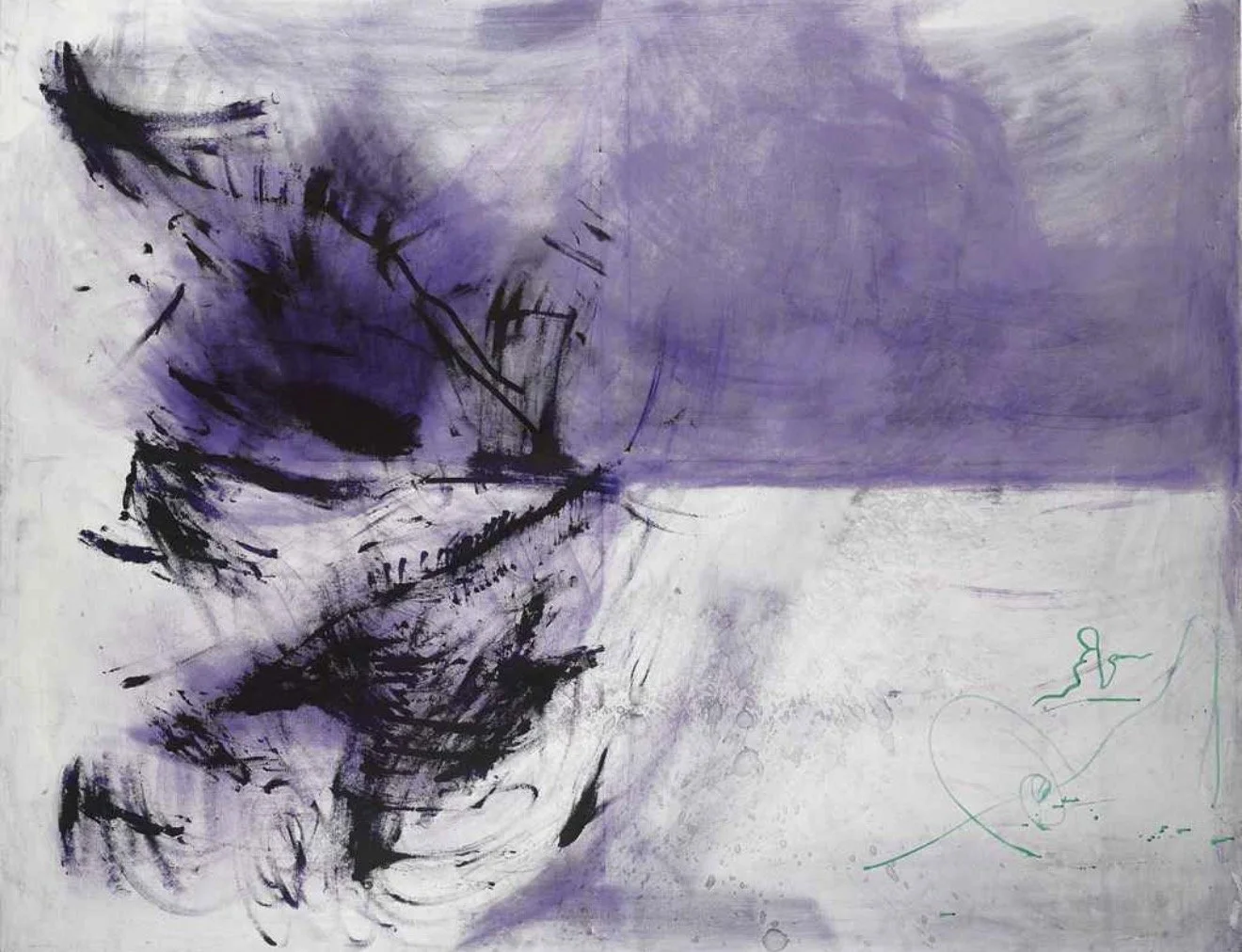
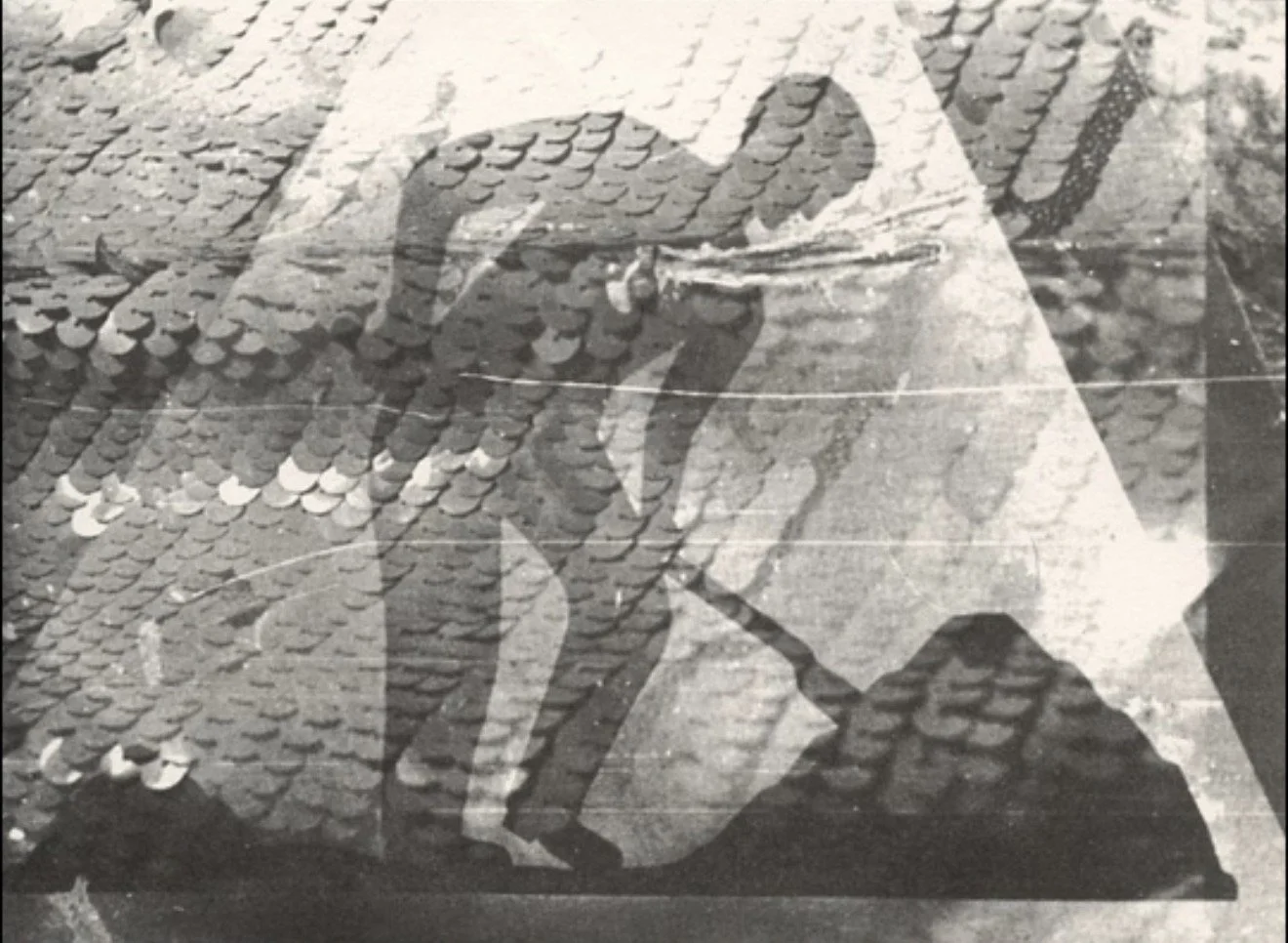
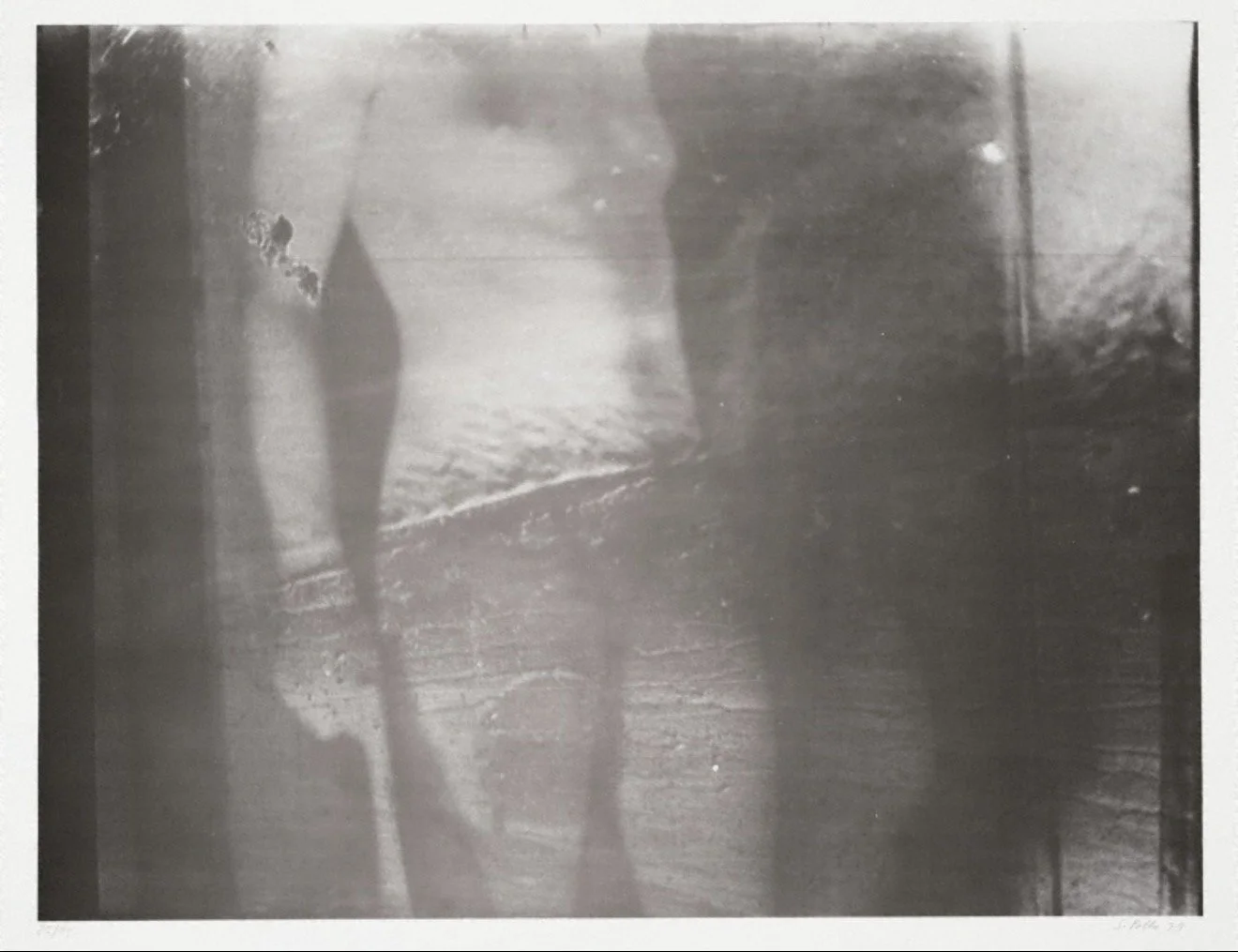
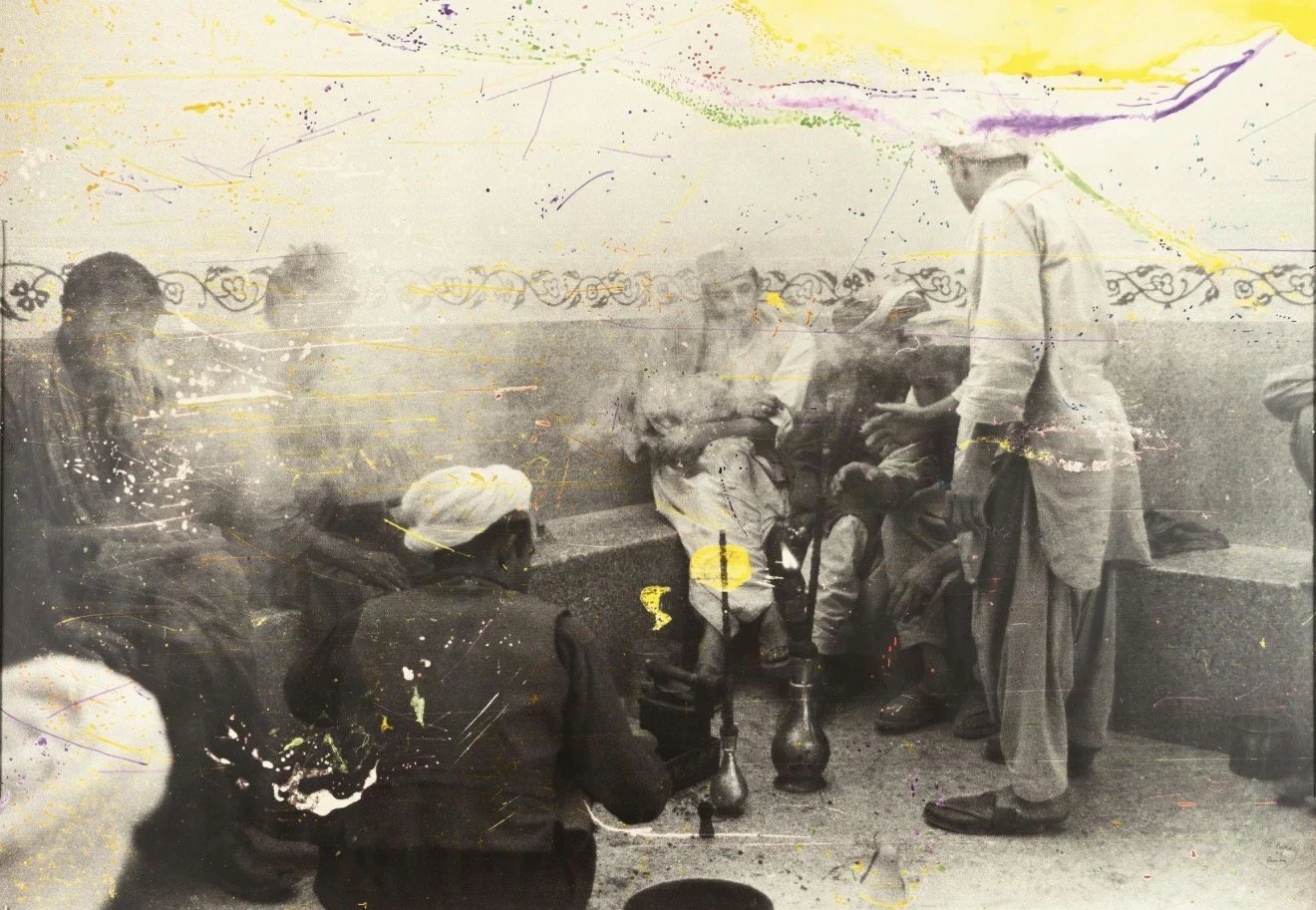
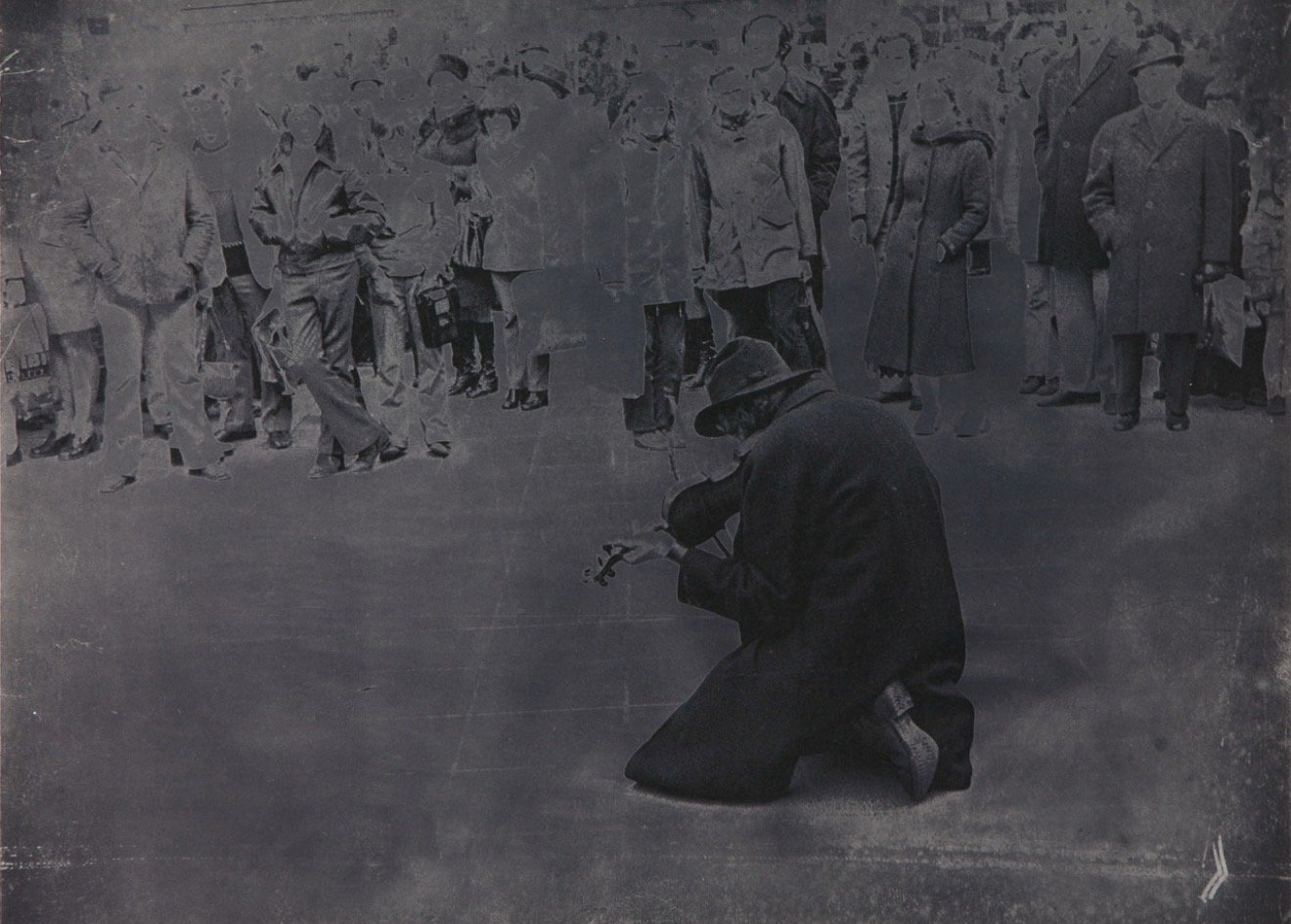
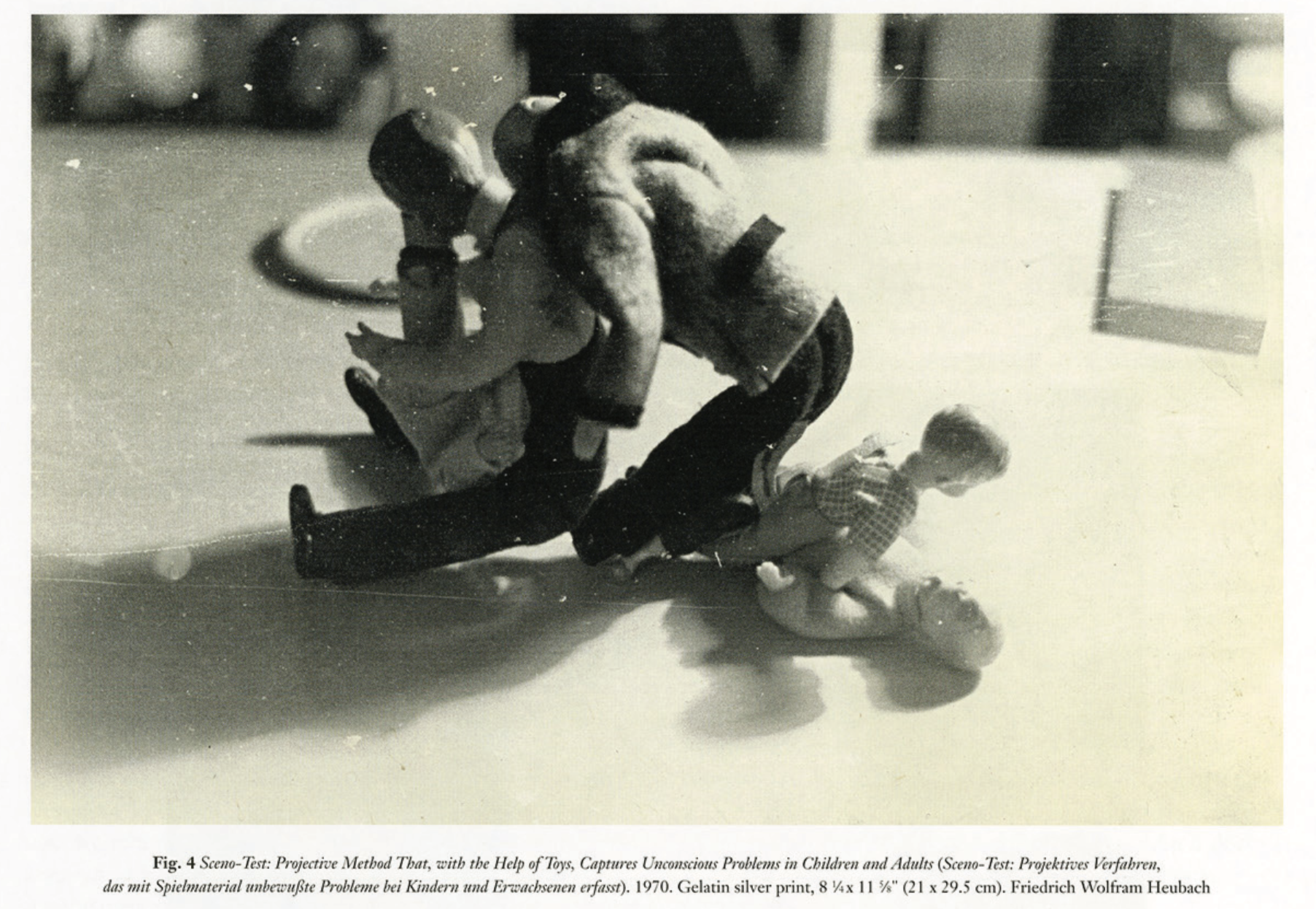
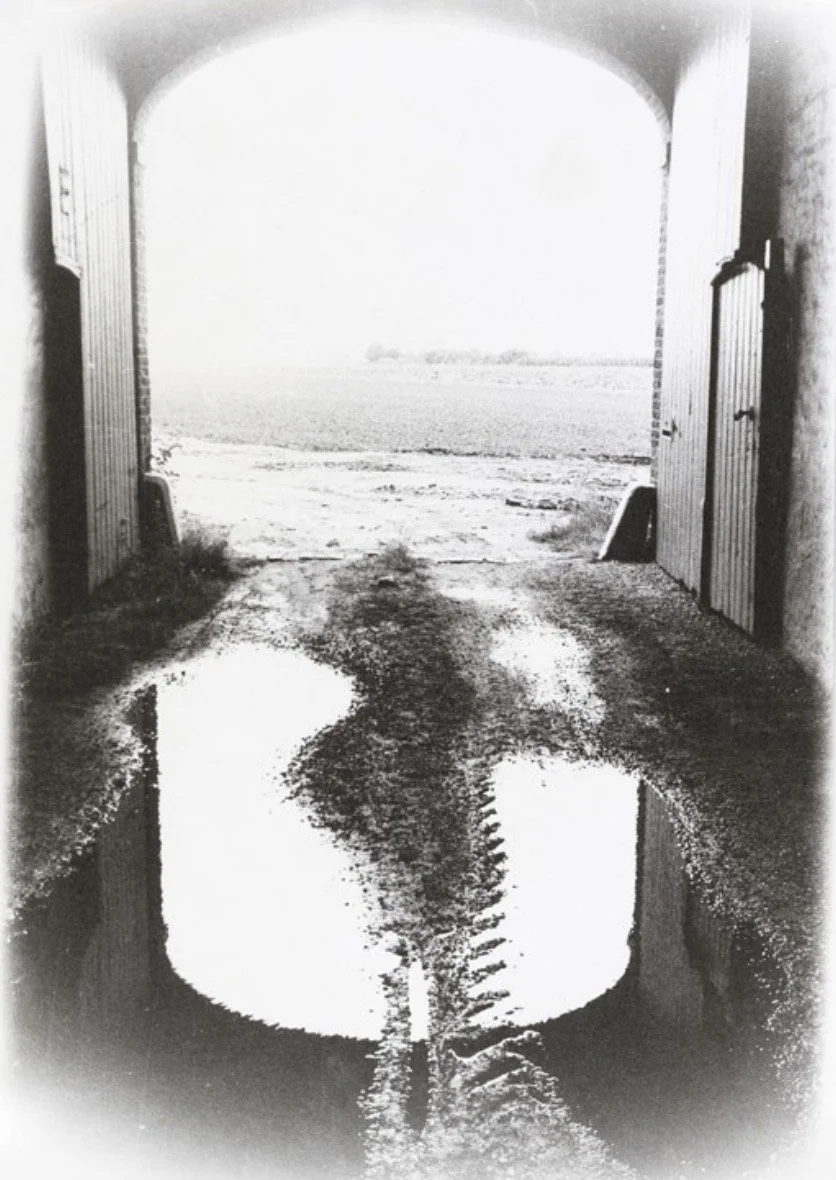
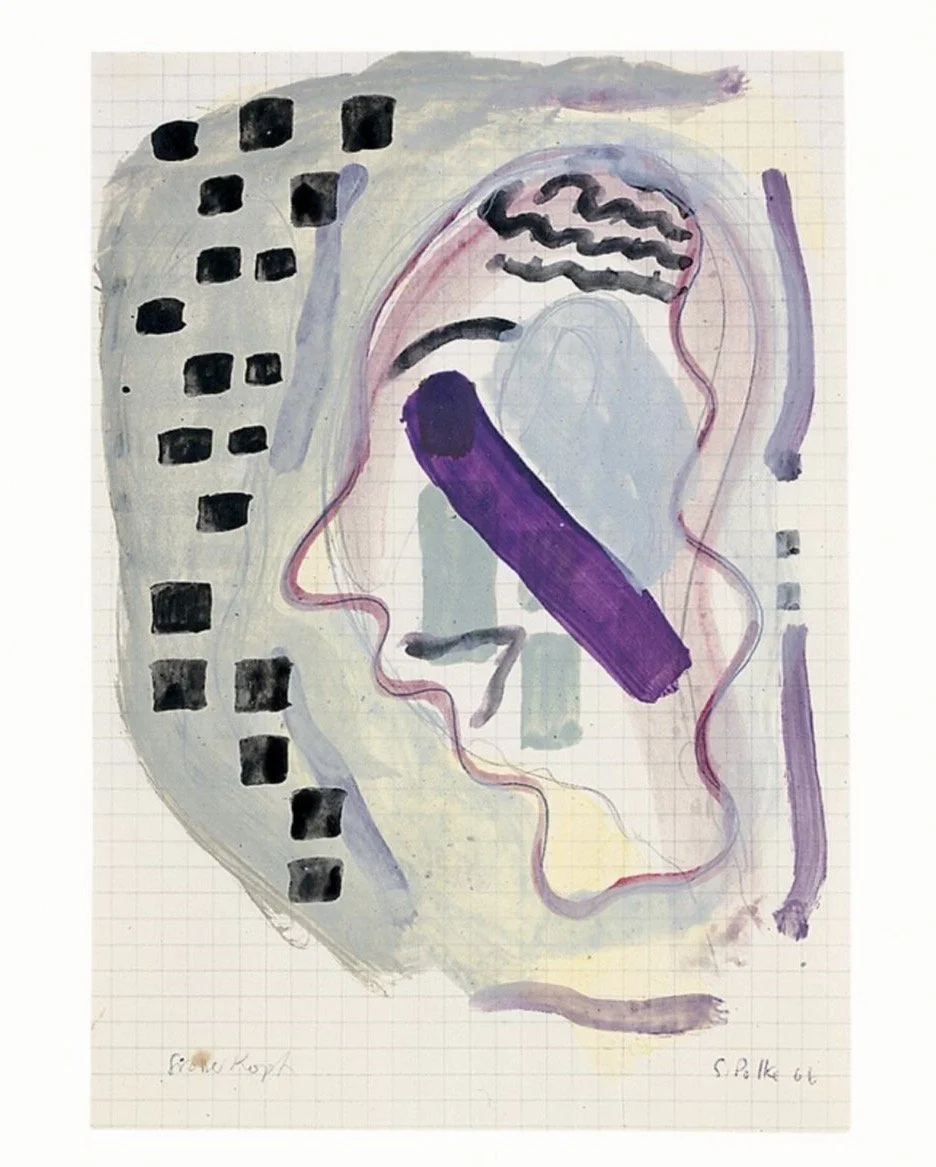
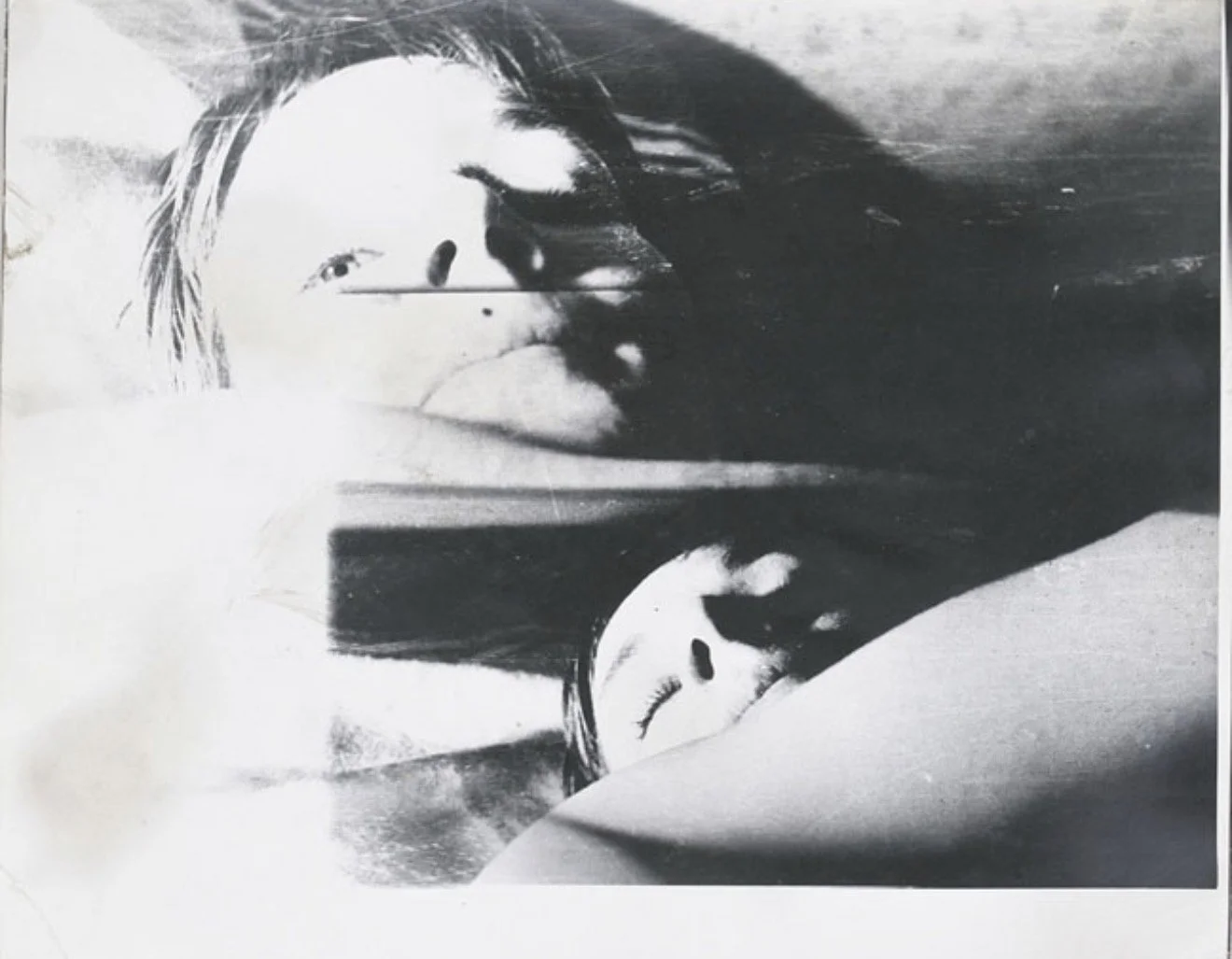
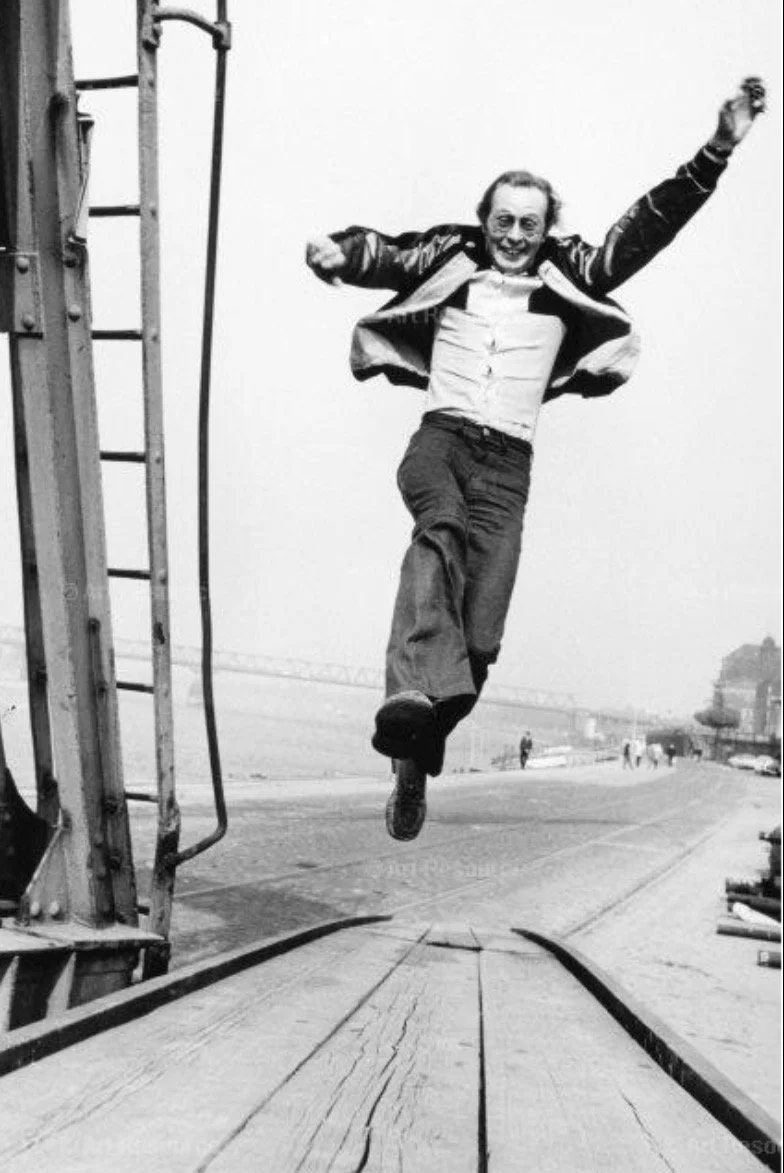
THE DREAM SERIES. Since I’ve been lingering, visually, on purple things and dreams, it’s an honor to be the Writer-in-Residence for the Conscious Writers Collective this year, and the following collective “workshops” or dreamscapes will be happening on a zoom near you, courtesy of CWC:
October 15 — “In Dreams Begin Responsibilities”
November 15 — “Palavering”; or Dreaming Aloud with Bohumil Hrabal
December 20 — “Bottled Climates; or Worlds Made from Textures and Aromas
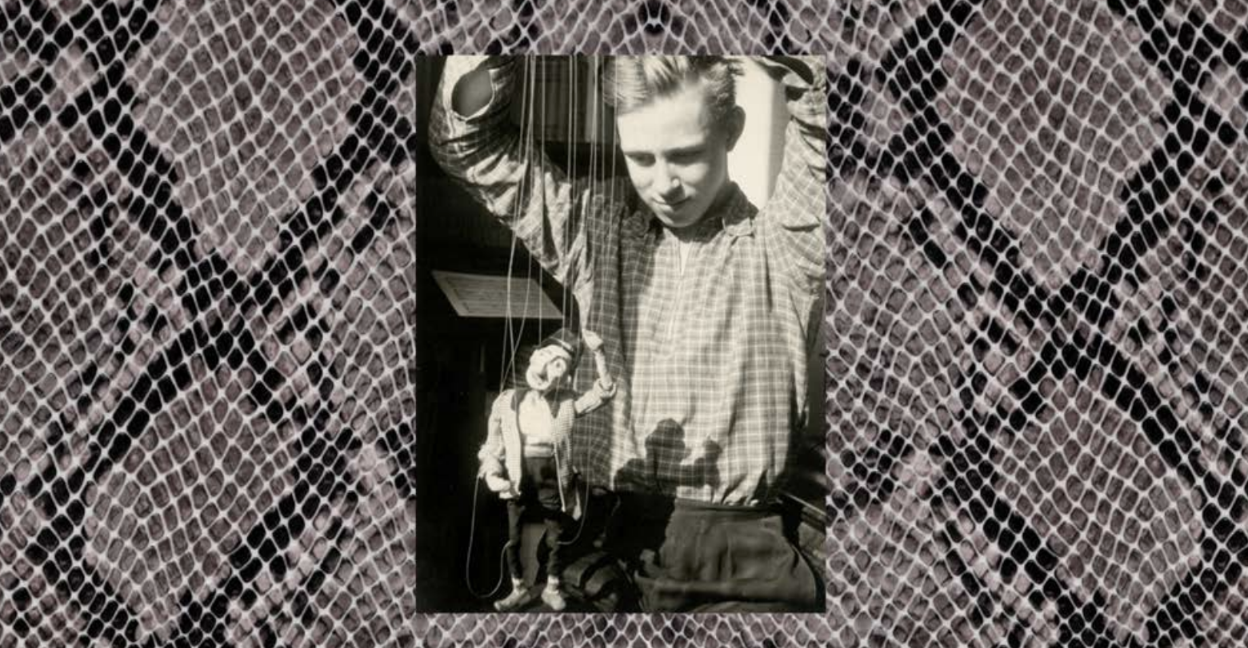
Once one lived in a seamless experience of wordlessness. Wordlessness means that everything is continuous. The later dream of an ideal language, a language which says all simultaneously, perhaps begins with the memory of this state without memories.
— John Berger, “Once in Childhood”
*
Françoise Hardy, “Rêve”
John Ashbery, “Dream Overture”
John Berger, And Our Faces, My Heart, Brief as Photos (NYRB Classics)
Jorg Heiser, “Cosmic Rays.” Frieze, October 2007.
Jutta Koether, “Bad Dad” (MOMA 2014)
“What Does Sigmar Polke Still Have to Teach Us?” on Dialogues: The David Zwirner Podcast