We had fed the heart on fantasies,
The heart’s grown brutal from the fare,
More substance in our enmities
Than in our love; oh, honey-bees
Come build in the empty house of the stare.
– W. B. Yeats, “VI—The Stare’s Nest By My Window”
This is a tale of a small town, where no one ever spoke the truth but all thought about it.
— Jack B. Yeats, Ah Well. A Romance in Perpetuity (1942)
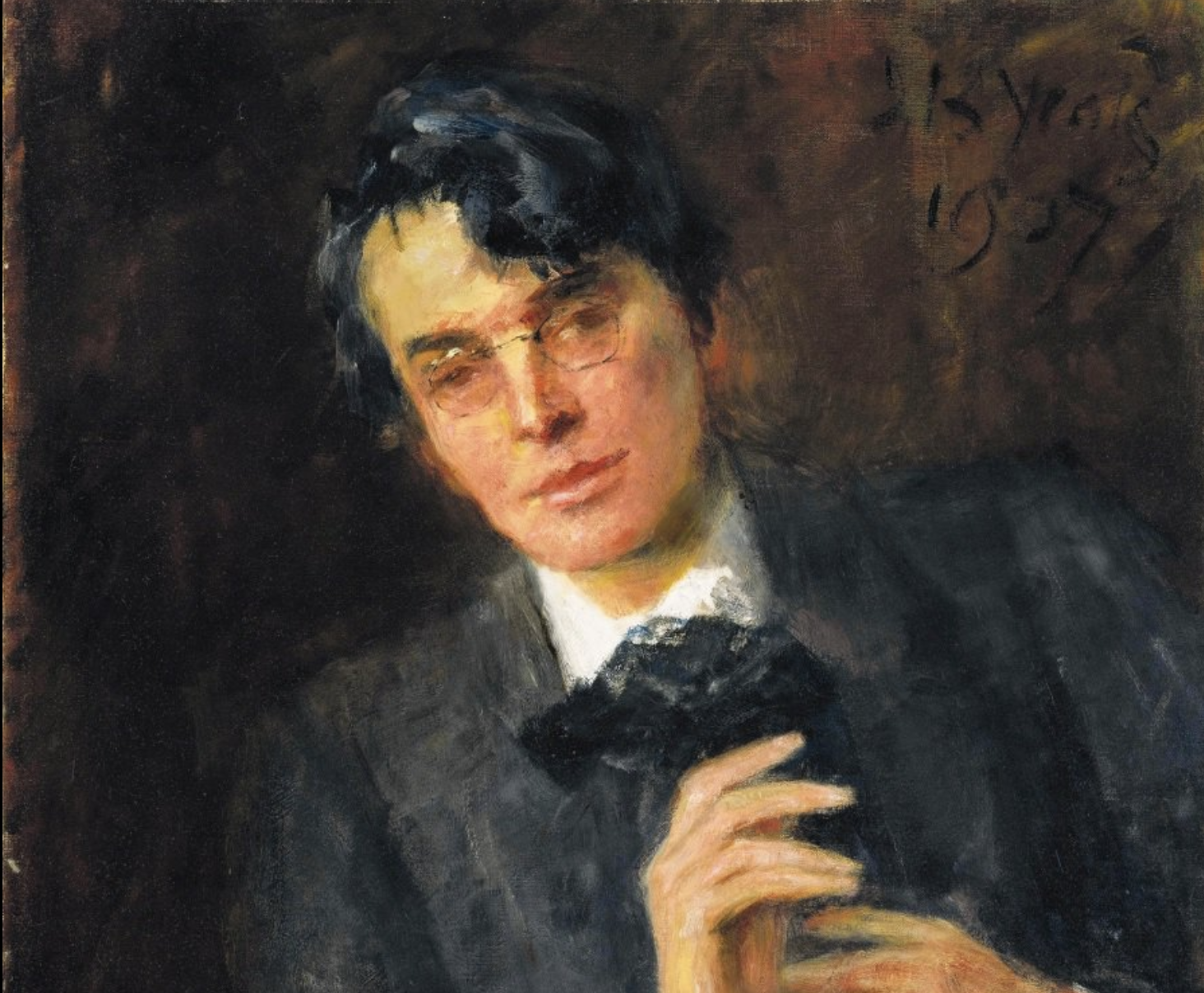
Jack B. Yeats’ self-portrait… the position of the hands, a musical resonance, a sort of feminine flourish in the way they incline towards the black ruffle bowtie. If you squint and then look at the portrait quickly, you can almost imagine a person with a black fabric carnation held between thumb and forefinger?
And the barrage of images below?
A sketch of sorts. An small gallery of paintings by Jack Butler Yeats, whom Samuel Beckett admired so deeply, and whose admiration emerges in various rooms and scenes which depict the intense loneliness of Yeats’ figures. Humans standing side by side but yet faceless to each other. Given the haste with which I downloaded these paintings today, I’m not even sure of their titles. …. a fault which will be corrected, if not here, then certainly in the final version of my current project.
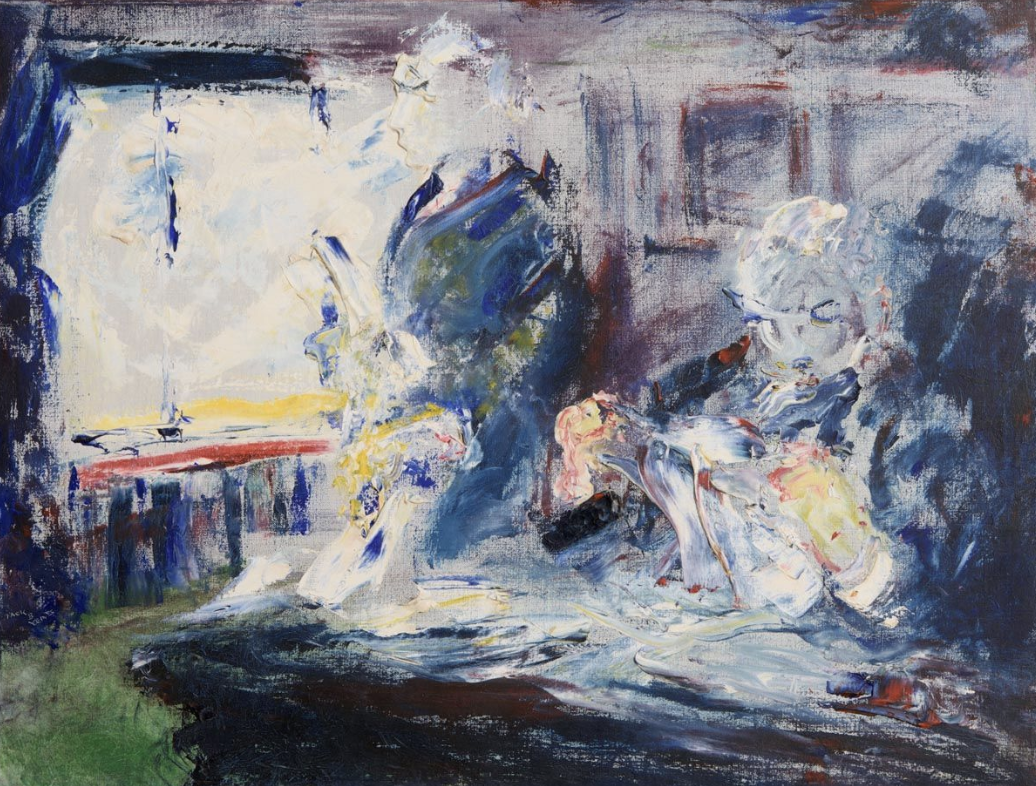
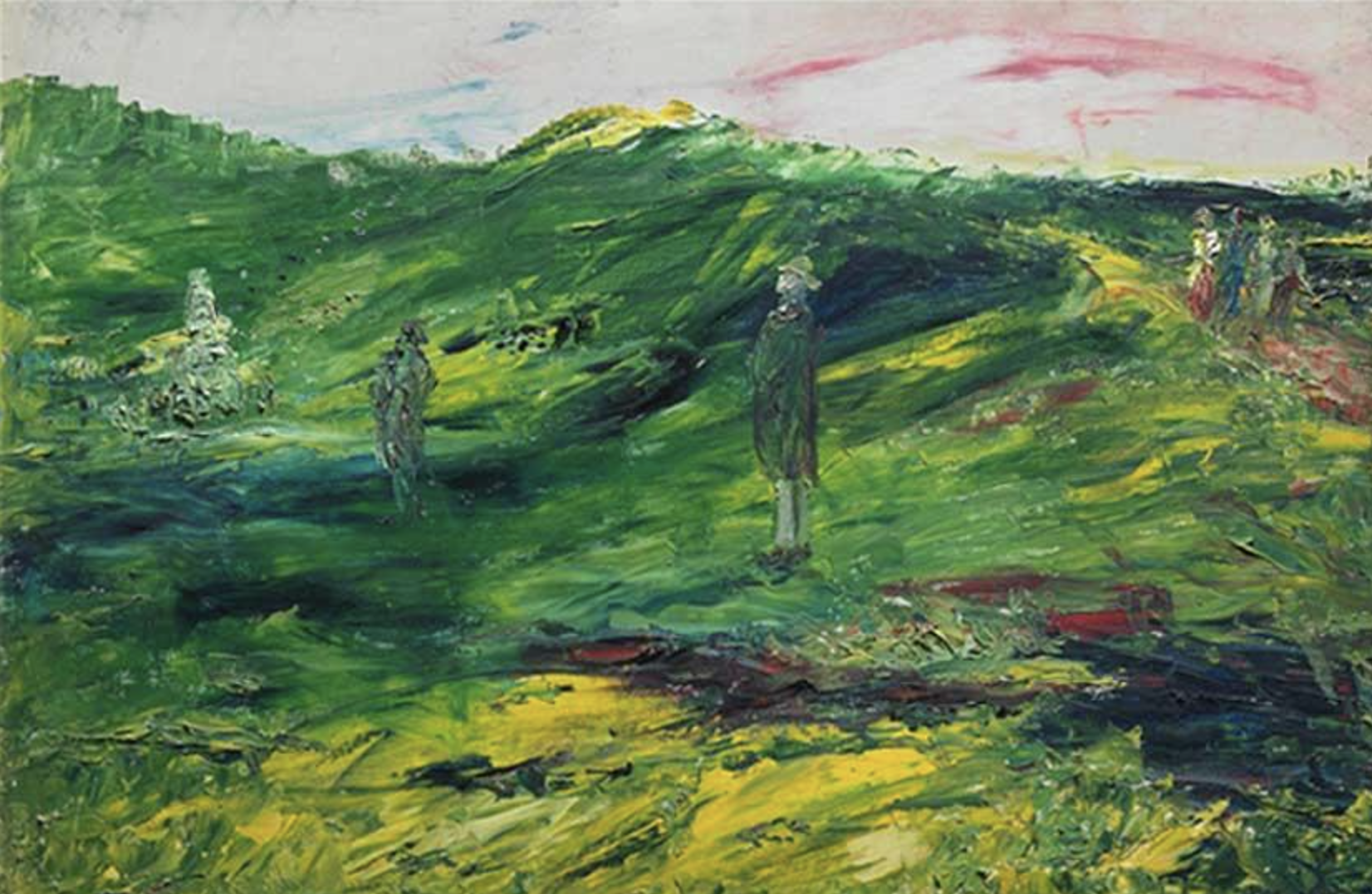
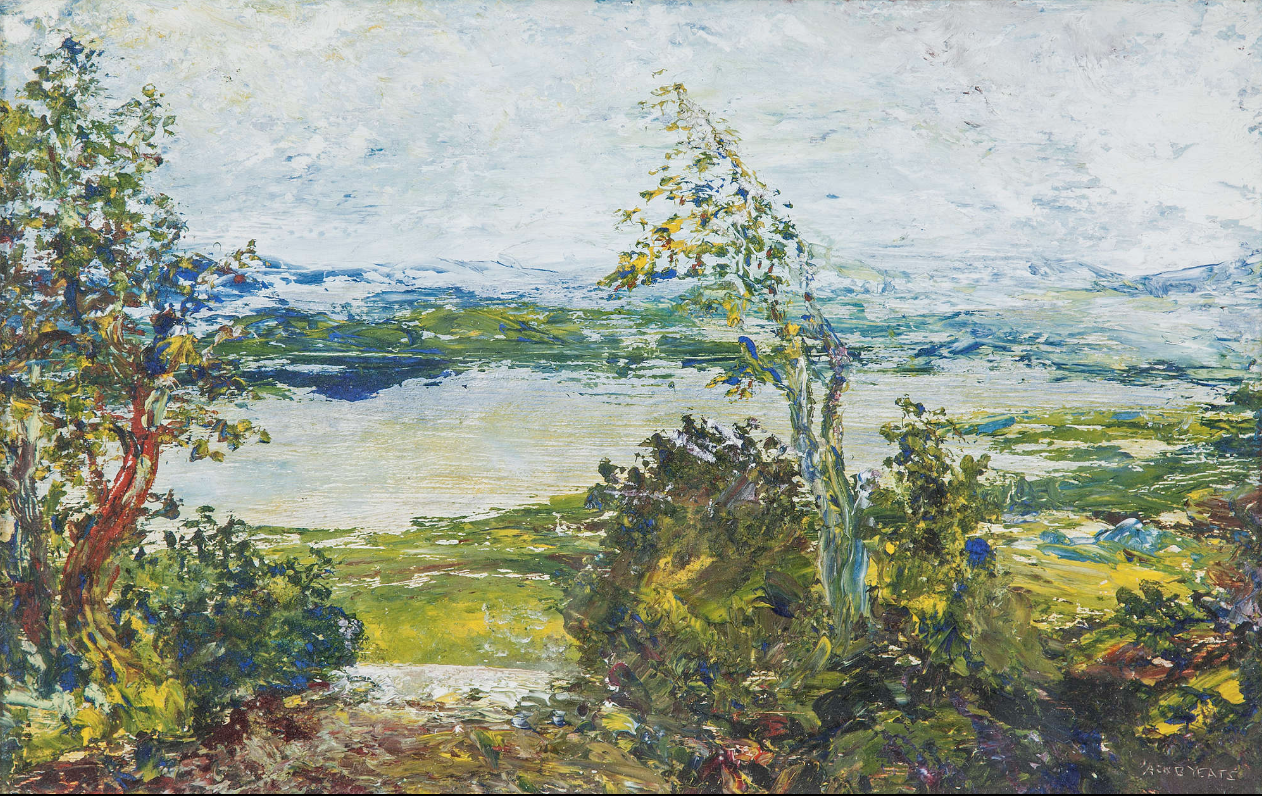
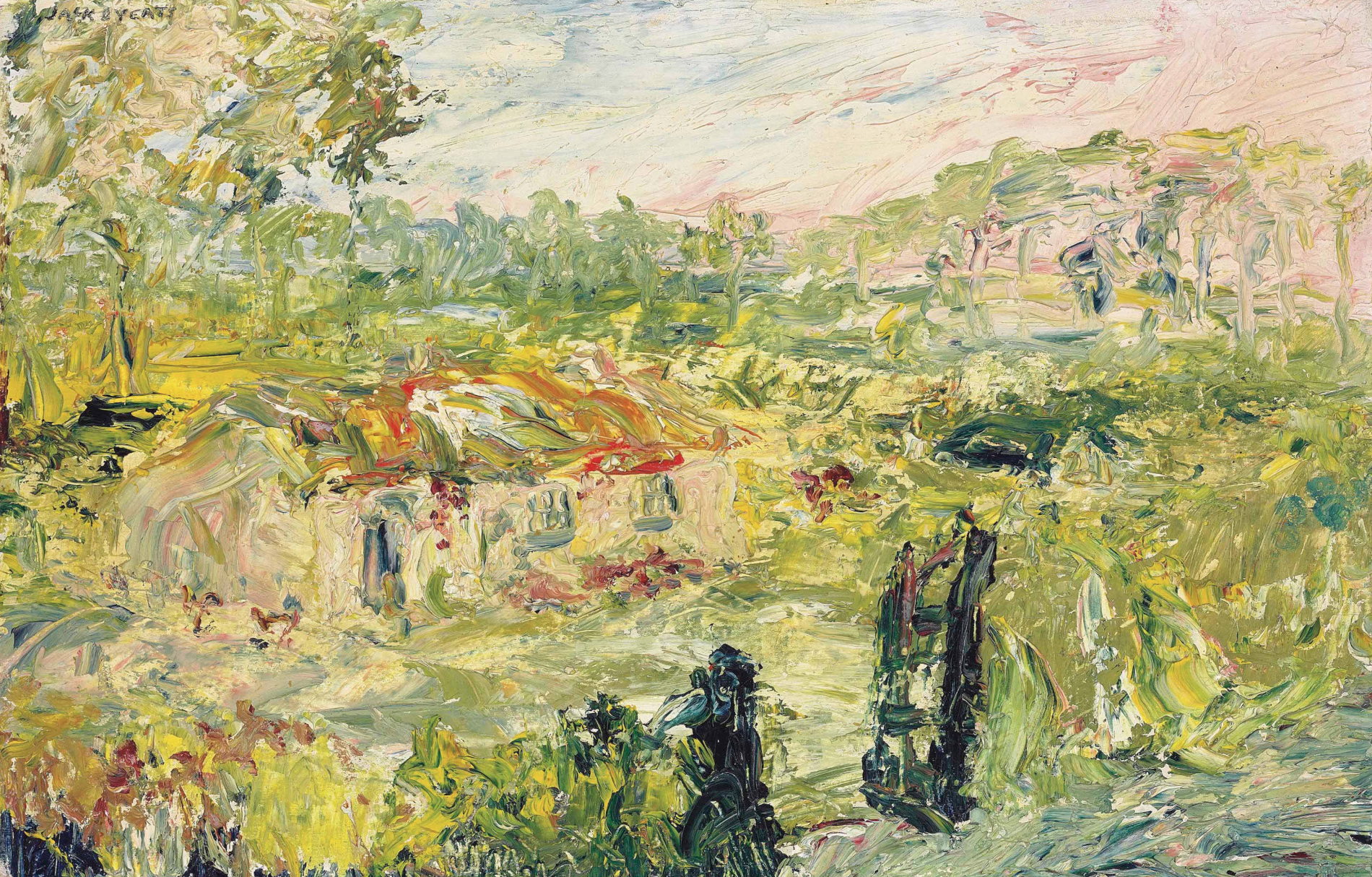
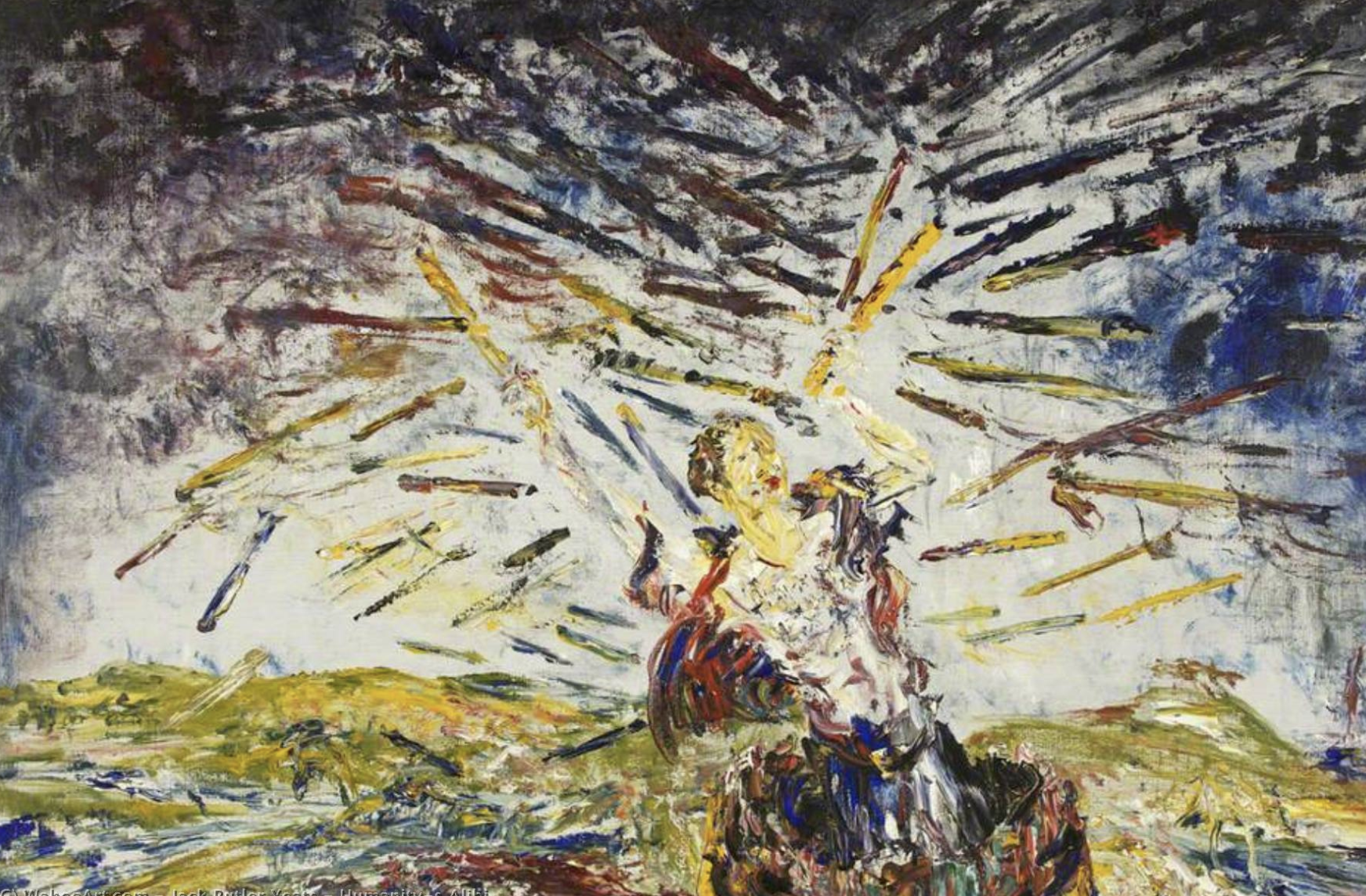
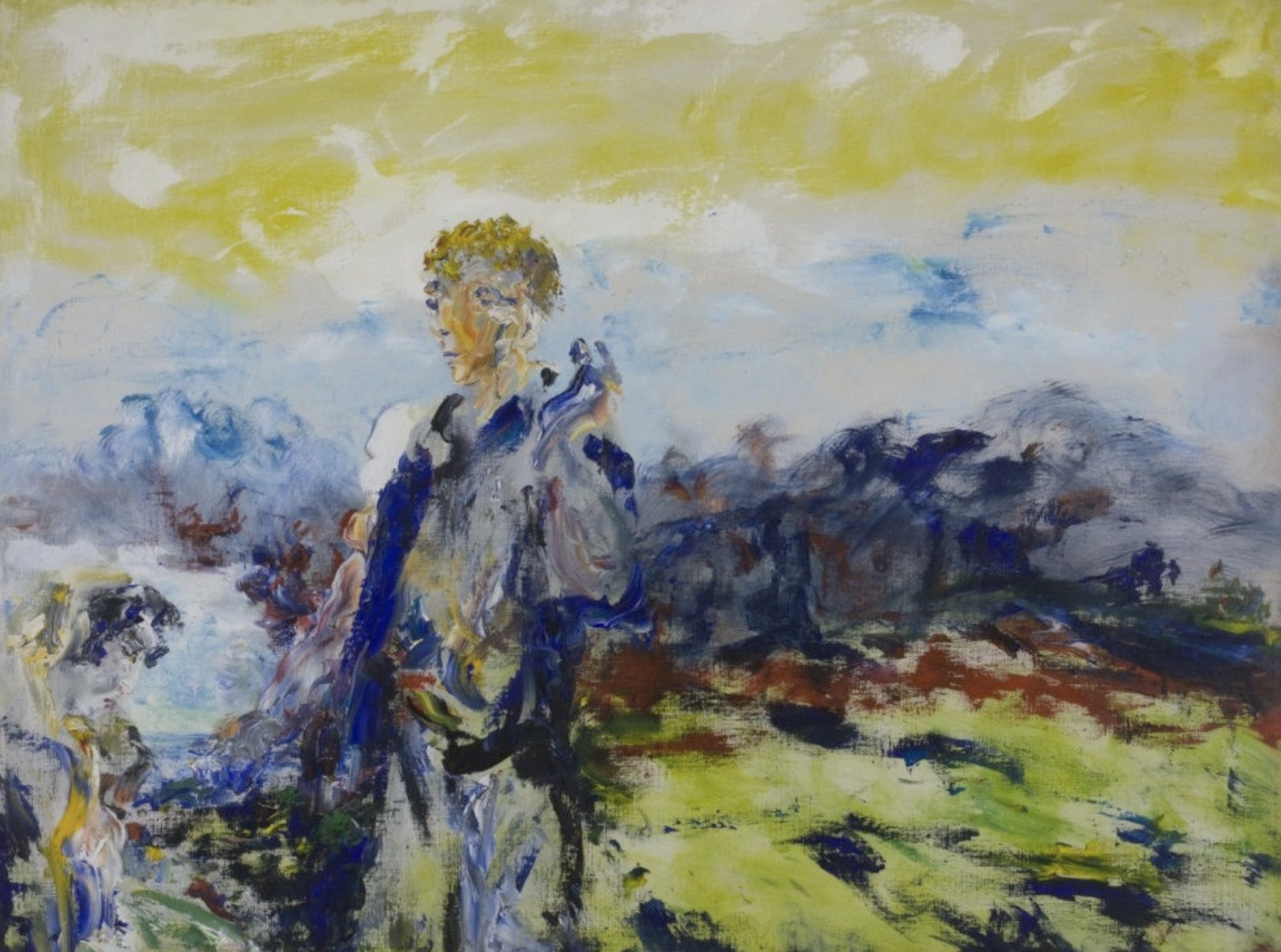
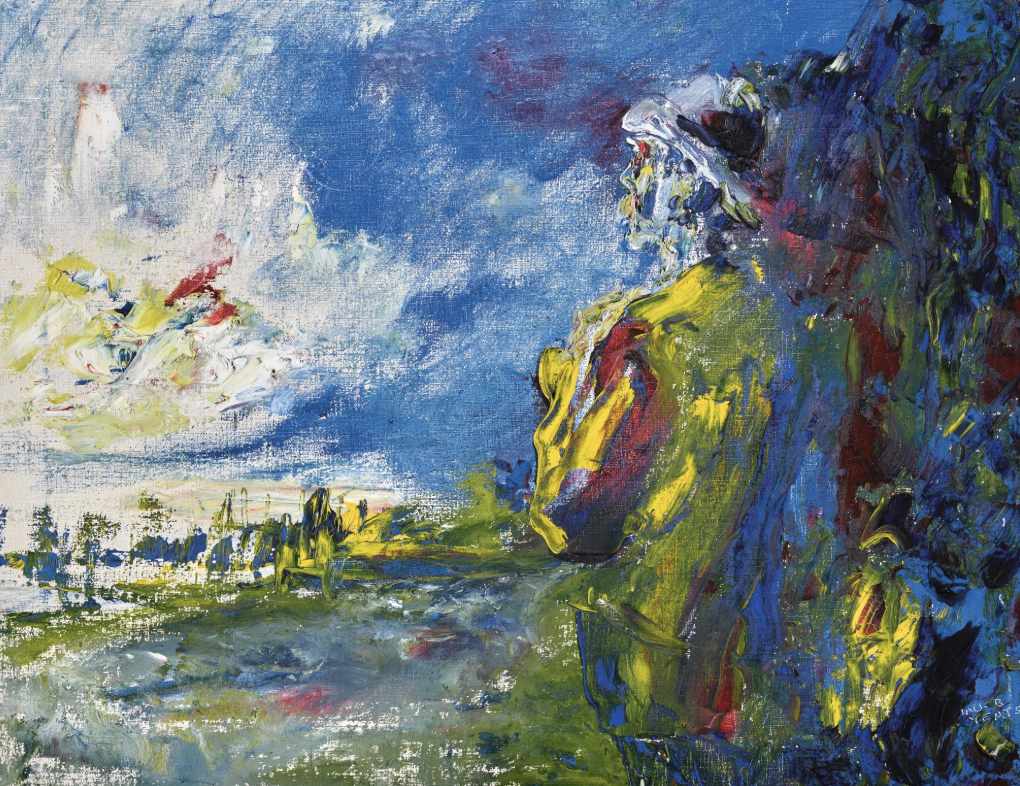
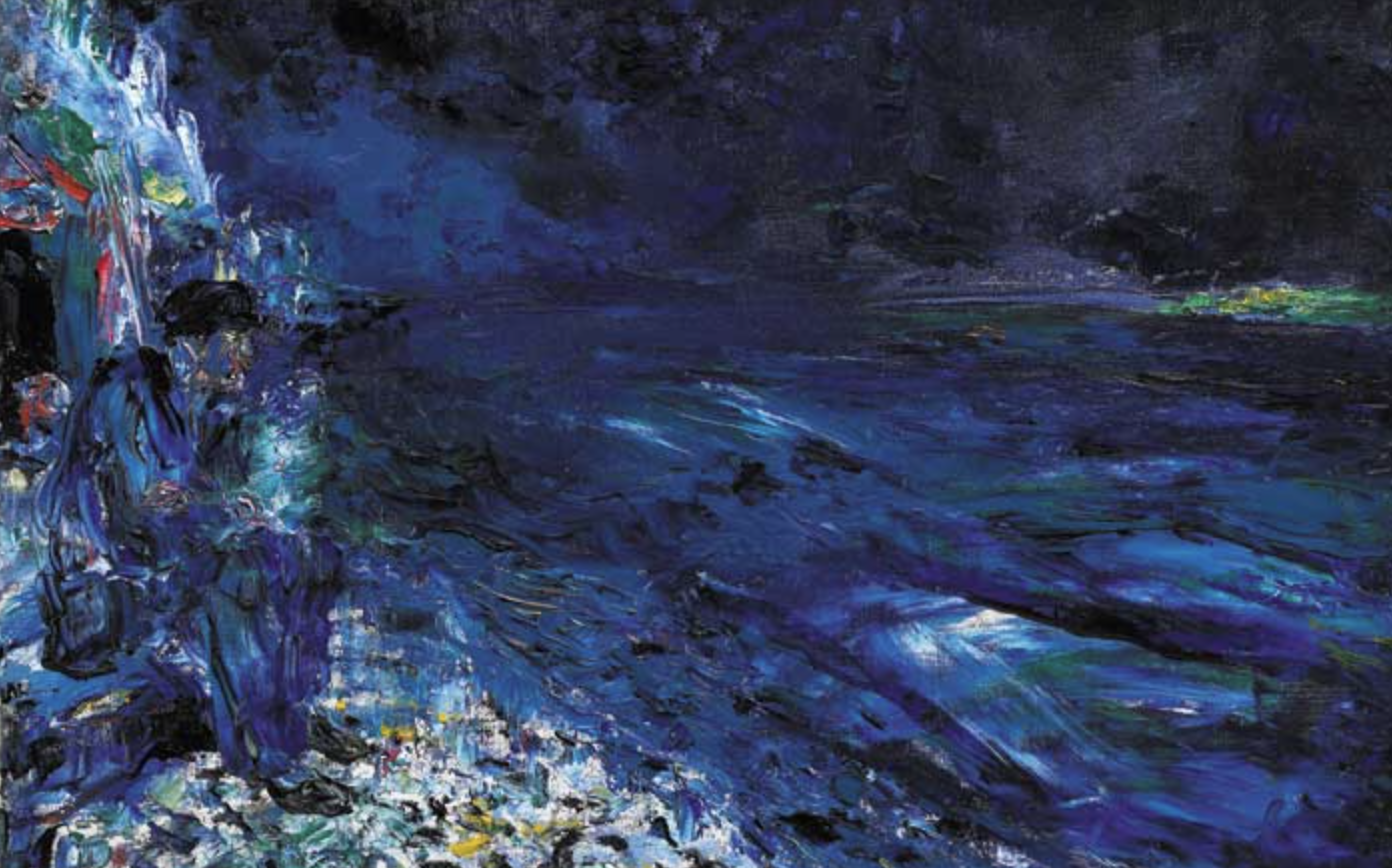
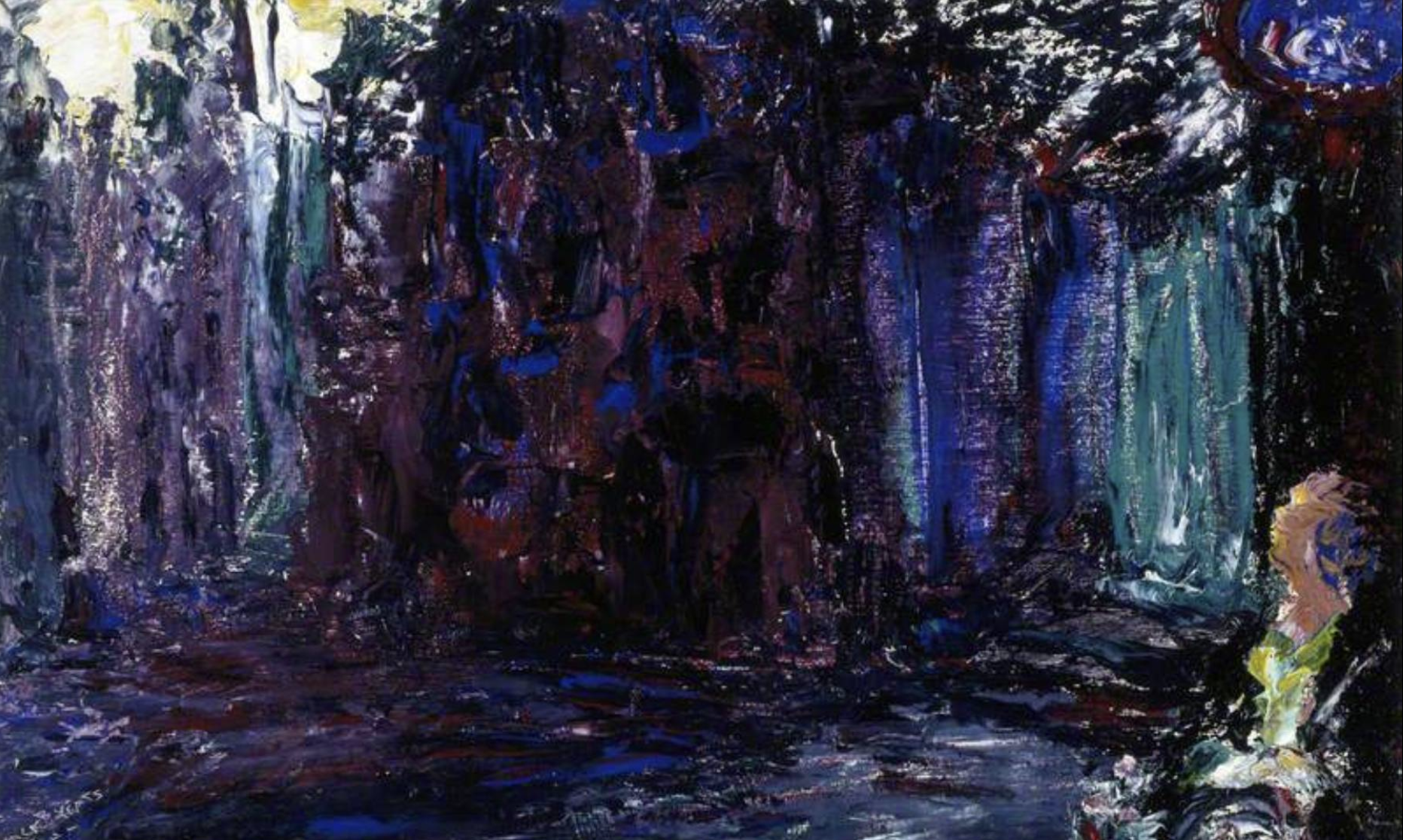
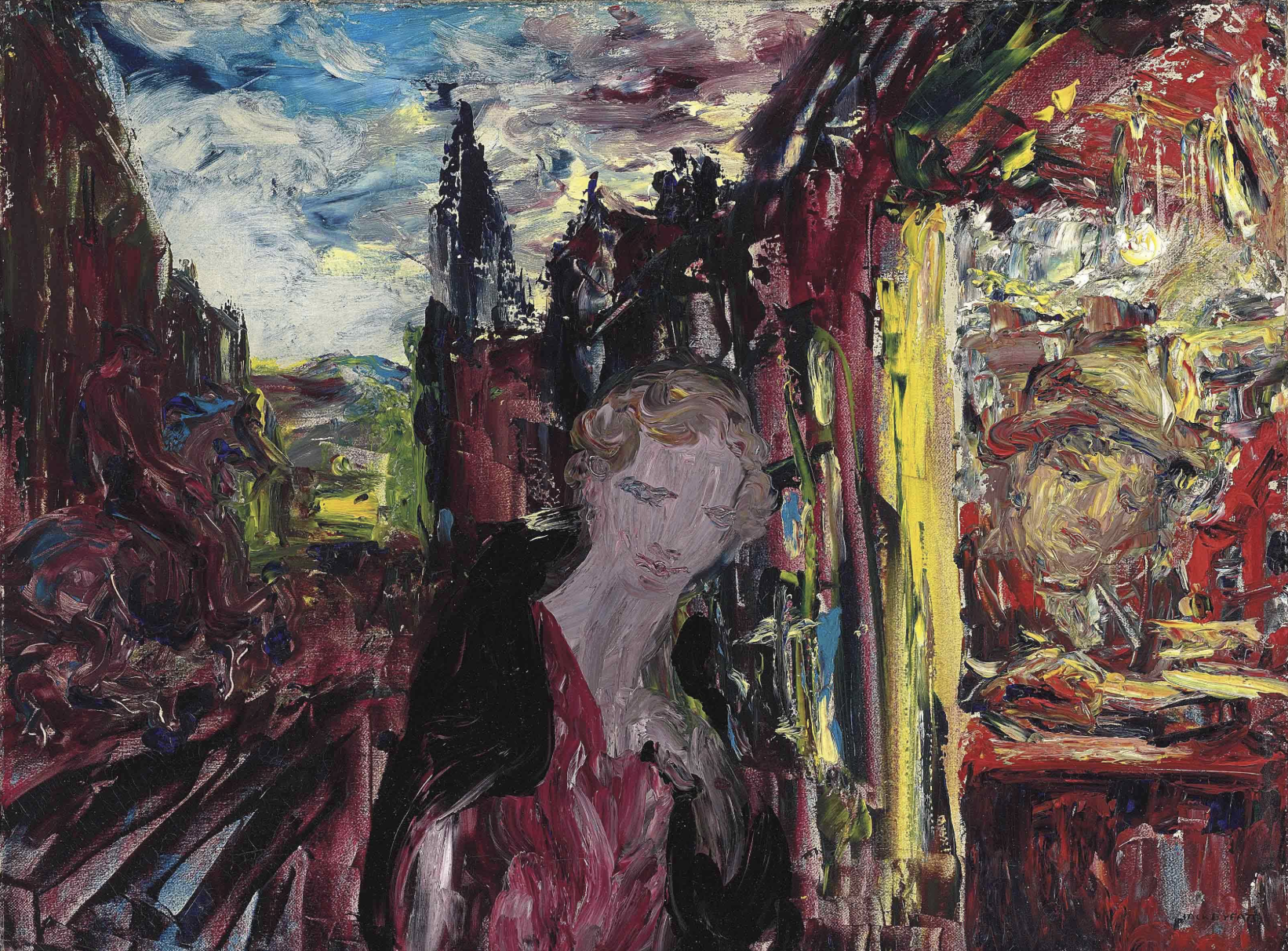
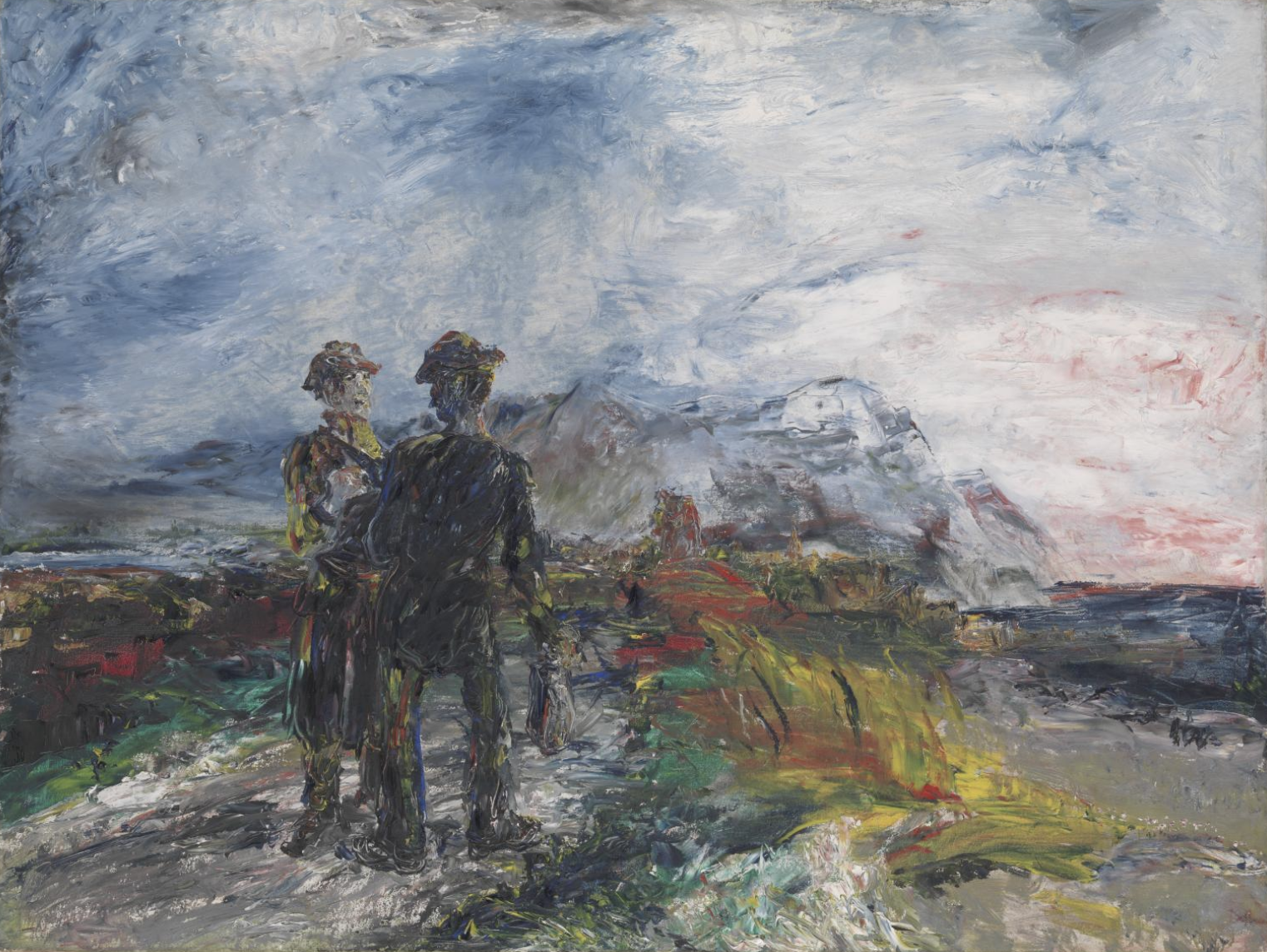
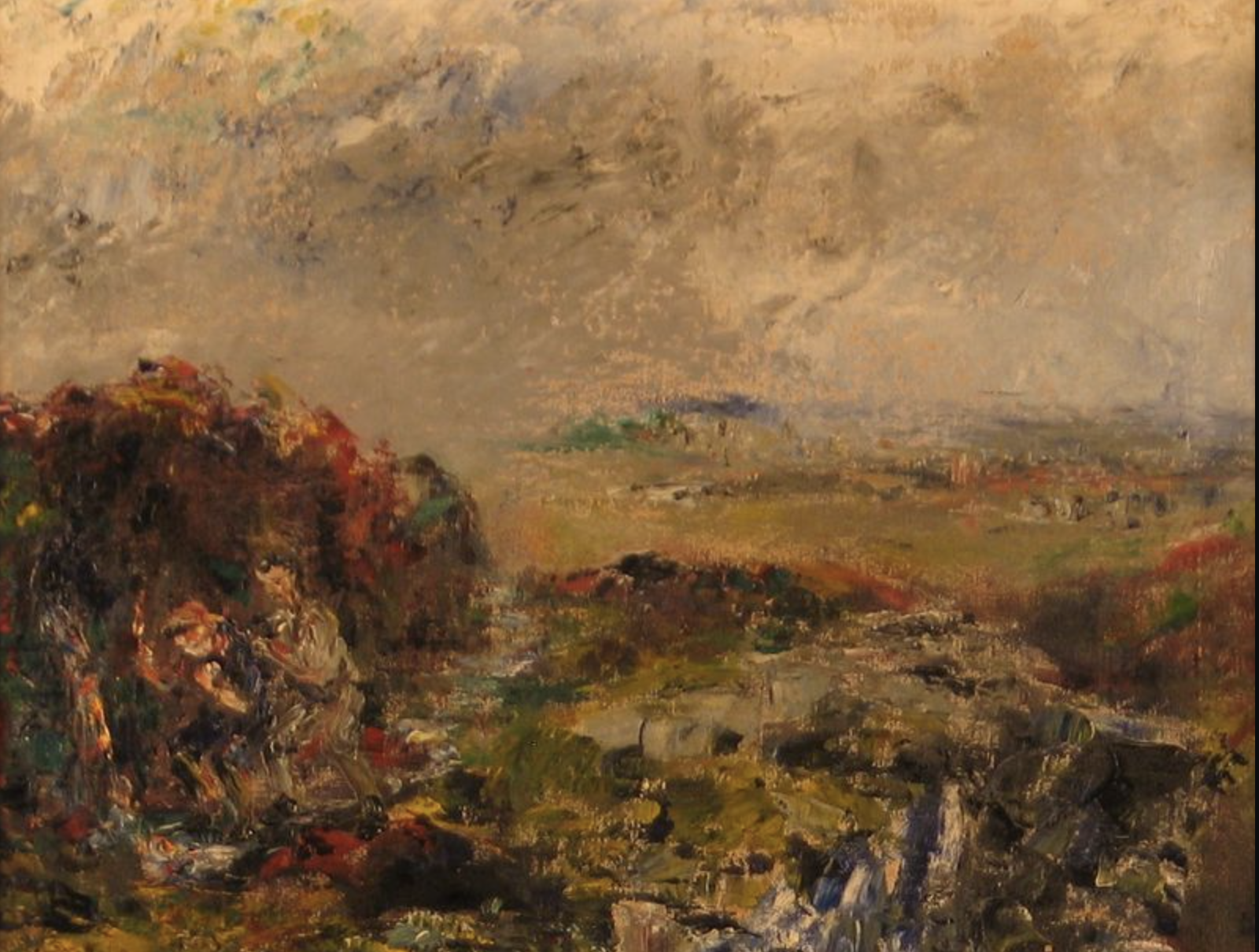
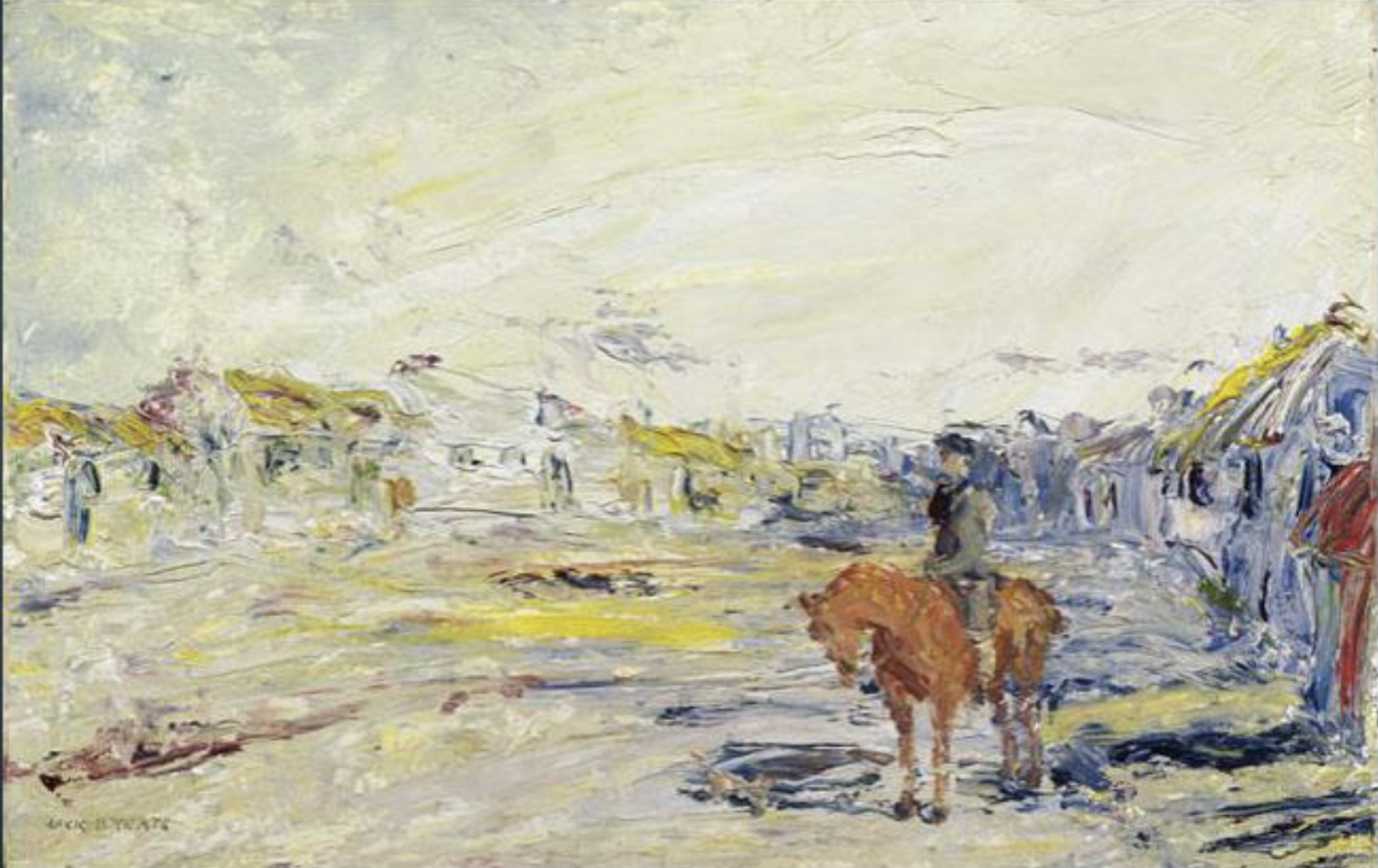
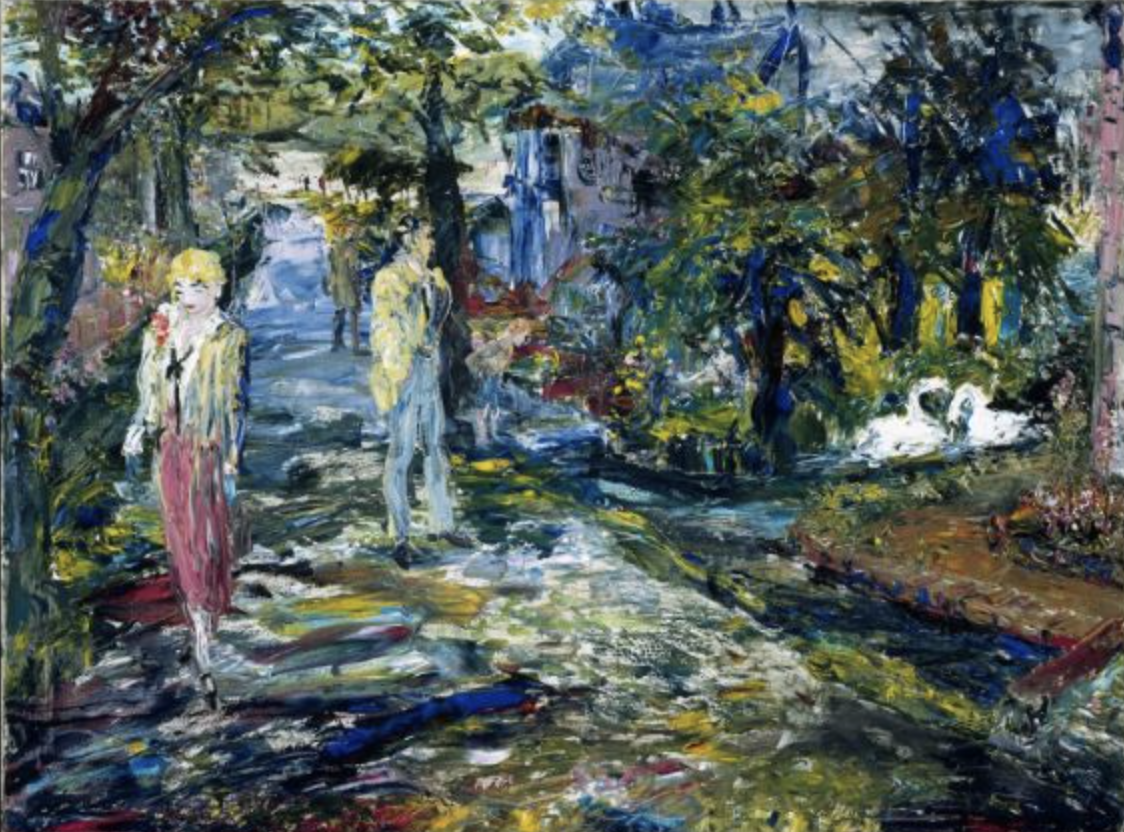
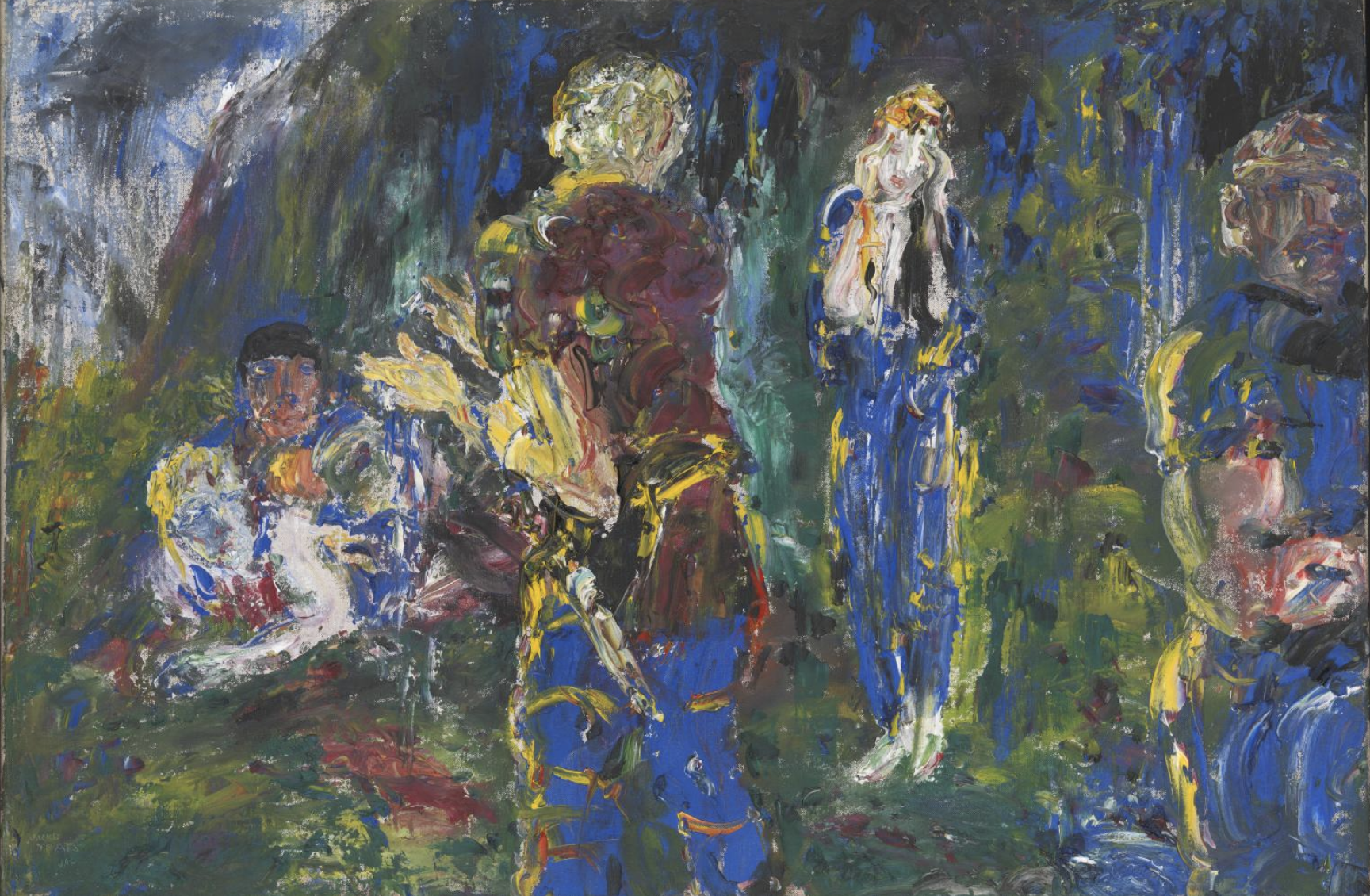
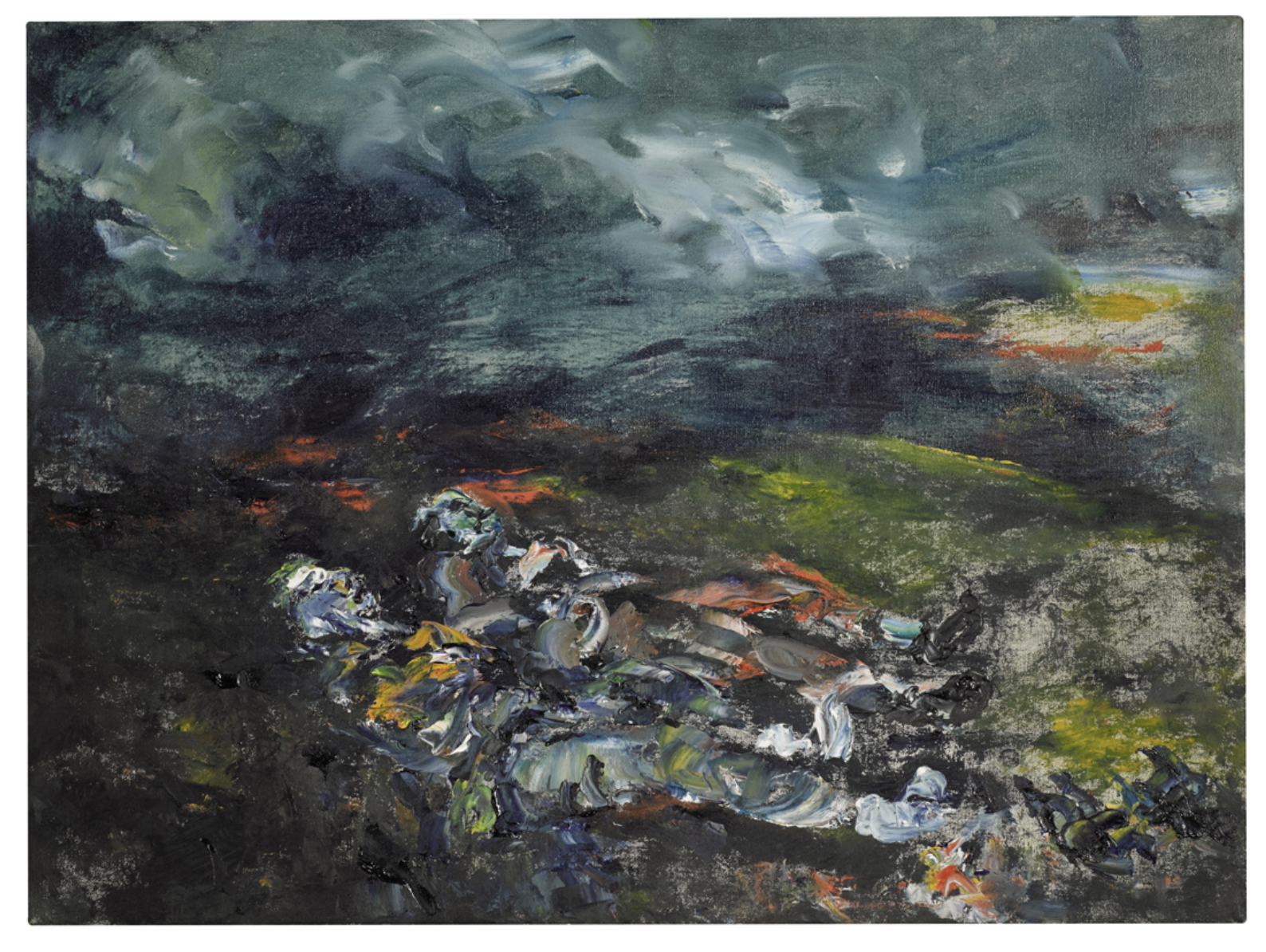
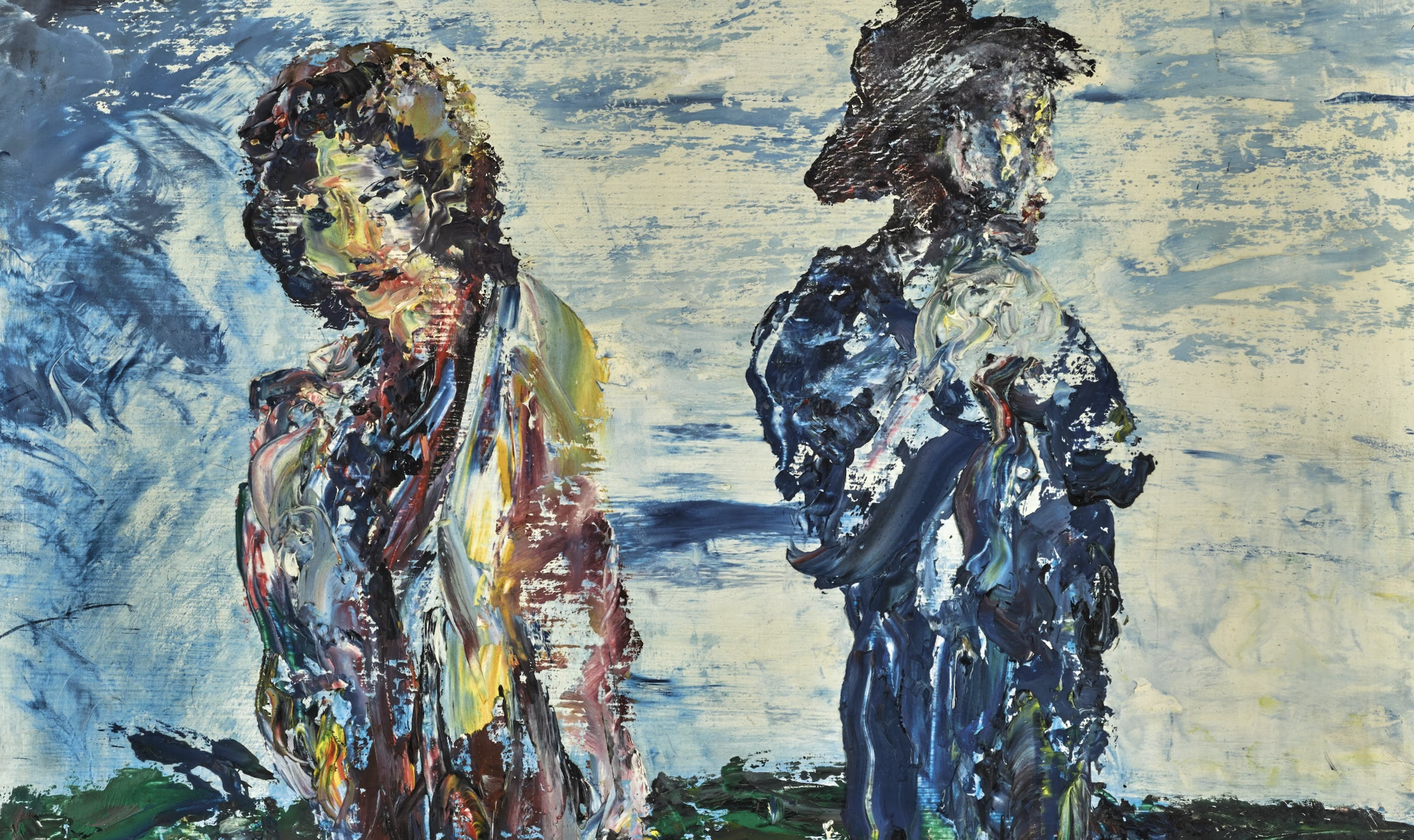
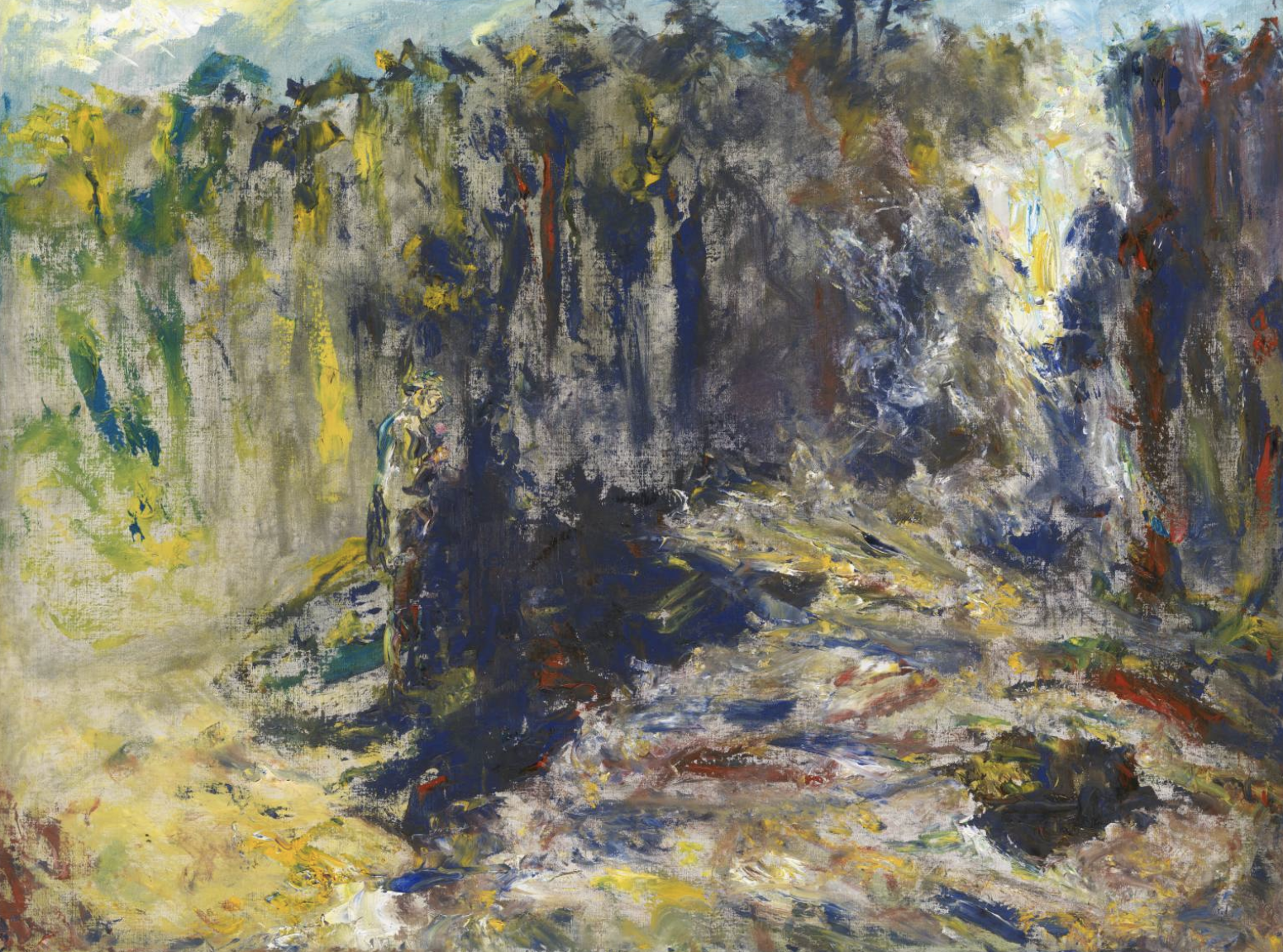
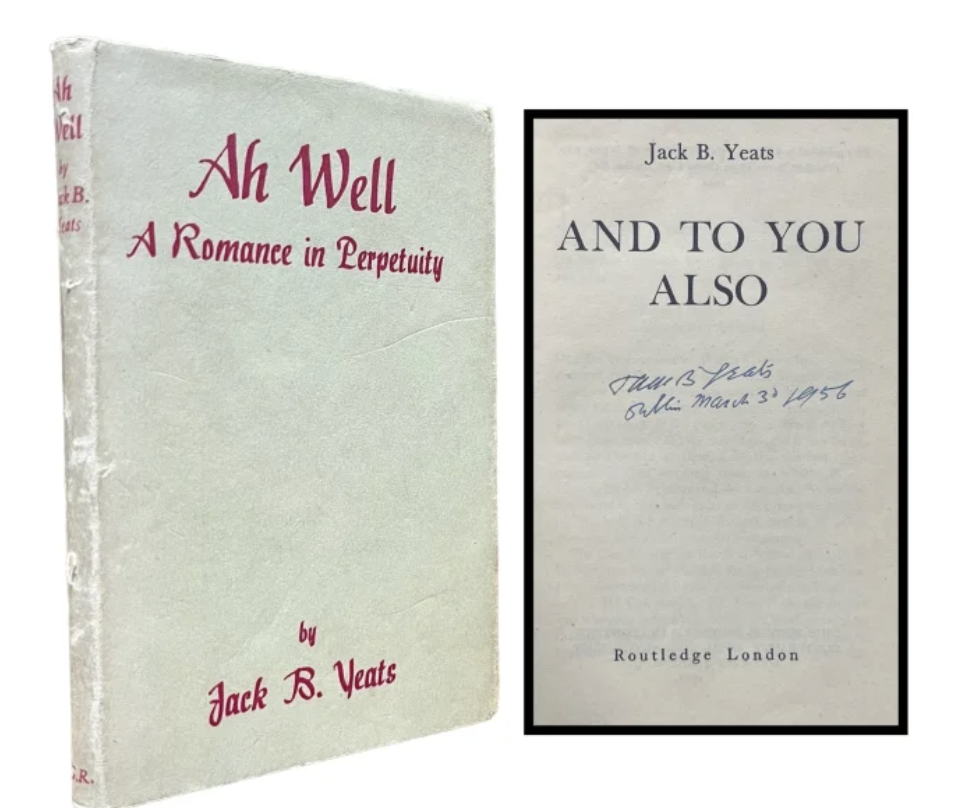
And for no reason whatsoever—- which is to say, the role played by the river — I leave you with an excerpt from Jack B. Yeats’ experimental novel, Ah Well. A Romance in Perpetuity, published in 1942, and vanishing from the face of the earth very quickly, with little commentary from the literati:
It was a town with one internal idea, and that was the brown river. Every evening, rain of shine, you would see two or three persons leaning over the rail alongside the back of the letter E and with their mouths open filling their lungs and their bellies with the fragrant, woolly, ever lovely, unsatisfied boggy breathing of that fulsome, flattering, simple-hearted flood. No man within an hour of coming from that river ever beat his child, even in gesture, and that was all the correction the children ever received, first a gesture of punishment and then a gesture of apology. And no dog coming from that river side barked for a space of time. The children of that town did not rule the town as anyone might suspect. No one ruled that town. Not the Mayor, for all he had his golden chain. It ruled itself. He ruled himself, with the varied tone of the river. Ah, she was a bonny river. It was lucky for the old shells and pebbles within a hundred yards of the falls' edge before she tumbled into the sea. They, it didn't matter how strong the stream was, were always caught up among the rocks on the Easterly side of the falls, and never went out to sea. Never again out to the sea they came from long ago when the earth was blazing hot and volcanoes were pitching sea shells above high water mark. These shells and pebbles being ever caught up by the rocks worked their way back again a few yards every now and again up the river. And then would come a freshet and pitch them downward again, past the townsmen leaning over the rail, a foot on a lower rail. A foot on the rail. So human, so docile. The foot on the rail, the arms reclining on a swilled counter quaffing brimmers like their little piggy wiggy grandsires when they were able. All liquids look alike to man, but they feel differently. They go down, they go down. With some the first floor is enough. With some the basement must be reached before the rafters in the garret shake and illuminate themselves with wreathed roses golden edged. But with the men of the town I'm telling you about the river was nearly enough. It was a mountain still frothing its way with the pure elixir of the high places. Three parts the river, a quarter label and the rest some drossy fire from an ignorant unknown crucible, and the townsman went back into the sandy square and kissed his hand to the falling fountain drops.
There were a lot of people in this God-damned town, most of them different, different in wedges, not in families. Precarious corralling of human beings under roof trees. So these wedges, these different wedges, came from different families and mixed themselves. Perhaps each wedge contained all the necessary ingredients of a wedge, wedge into wedge, and then wedge. That's a non plus. No, they broke away when they felt that coming and starred out into groups of character. It was a slip of the tongue calling this town a 'God-damned town'. I should not have used that description. It's lost its original meaning. There was a time when a lot of thin hawk-men standing about on their thin soled boots would know the way I was using the description. It's an affectionate term, and as long as I live I'm not going to tell you any more about affectionate terms. If you don't understand them when they drop from my lips, then you never will, God help you.
*
In the gallery: Debussy’s Estampes, L. 100.
A different image of Jack in the National Gallery of Ireland.
Jack B. Yeats, Ah Well. A Romance in Perpetuity (1942)