the only truth is face to face, the poem whose words become your mouth,
and dying in black and white, we fight for what we love, not are
- Frank O’Hara, “Ode: Salute to the French Negro Poets”
Mouth as Sentinel
Capricious, it speaks in the name of the entire body. It is full of others. Its anxiety stems from what are basically incompatible tasks: to express and ingest, to offer and swallow.
Many talkative people are equipped with a small mouth, as if its cavity were striving to restrict speech. Following the same principle, an uncommonly large mouth can correspond to shy speakers, who prudently administer its impressiveness.
Then there is the deep, wet well mouth. Every time it opens, someone drowns. Meticulously rounded, the whistling mouth remains on the prowl. Between its welcome and its derision there is little more than a millimeter. A landscape mouth occupies the cheeks as a window does a wall, gargling with light. The asymmetrical mouth is quite different: one lip is at odds with the other, in an argument that may create outrageous polygons.
According to buccal mathematics, if we subtract the second lip from the first, the mystery is solved. Two plus two make a kiss, an ephemeral tattoo. If a straight lip curves, the lips form a parabola. The marksmanship of that smile determines the size of the mouth.
There are lips that abstain and pull back. Others are so inflated they hinder language. A protruding lip plays the part of the know-it-all student, and also their vulnerability. Occasionally we find a top lip that appears slightly raised by a finger, as if calling for discretion. Well-defined lips are the mouth’s patriots: even without speaking, they mark its territory.
Renouncing any attempt to convert, the pale lip becomes blurred. A red lip emphasizes its rights, savoring its color, conspir- ing with the gum. The pink lip becomes interesting in old age: it attracts our attention as it fades. A purple lip is at its best in winter, while the dark one is perhaps best able to stay up all night.
The mouth’s craftsmanship is exaggerated in the teeth, those masterpieces of erosion. Each one is the blade of a desire: sharp teeth ask; broken ones plead. None of them bites without permission from the lip, proving that gentleness outweighs savagery.
A white tooth shows off a tuxedo, glinting at balls and fearful of dawn. Crooked teeth have something of the drunken dance about them. A yellow tooth is slightly embarrassed, and yet there is so much sincerity in its enamel. Tiny teeth nibble at words with aphoristic rigor. However, nothing can compare to the childish delight of gap teeth, in among which happiness slips stealthily.
With the chewing of the years, teeth become filled with engineering. Their geographical features are lashed by tiny inclemencies. The entire set of teeth then begins a slow game of chess, which will inevitably end in the defeat of the white pieces.
Muttering its preachings between clenched teeth, the tongue marks the rhythm and punctuates our prose. It awaits the arrival of the next phrase, sentinel of silence beneath the palate’s sky.
— Andrés Neuman (translated by Nick Caistor & Lorenza Garcia)
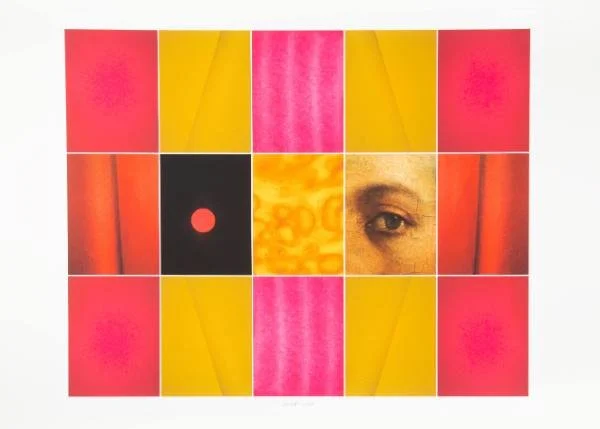
Mark Goodman, Suspicion (2014–2017)
Jerzy Pilch opens “Heart in Mouth” with that (dangerously earnest) declarative, an articulation of positionality that foregrounds a way of speaking rather than the throne or podium authorized for use. This position might seem overly sincere to English artistocracy— but Pilch is Polish. The soil of his words lacks the confidence of empire. Heart in mouth, panic in mind, shades of distance:
It is with my heart in my mouth that I set about an unceremonious description of those close to me: with my heart in my mouth and panic in my mind, for there's not much that I know. Truth to tell, I know only one thing: that before I finish this scandalizing narrative, begun today, the new government, which by a curious quirk of fate was also called into being today, will have fallen. I have the certainty, founded upon the strength of the eternal superiority of writing over politicking, that I will be writing longer than the government will govern.
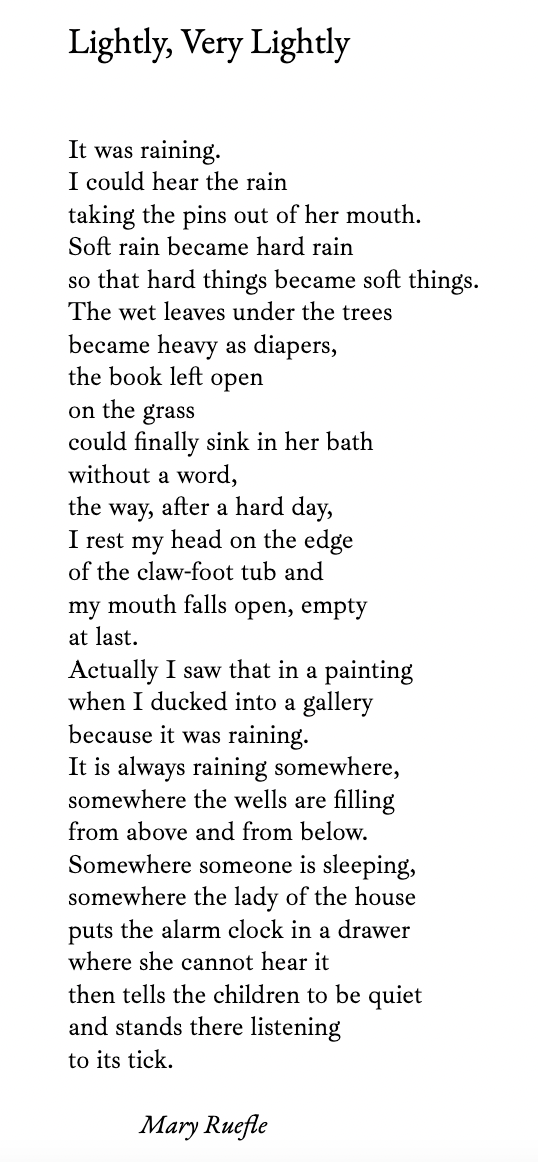
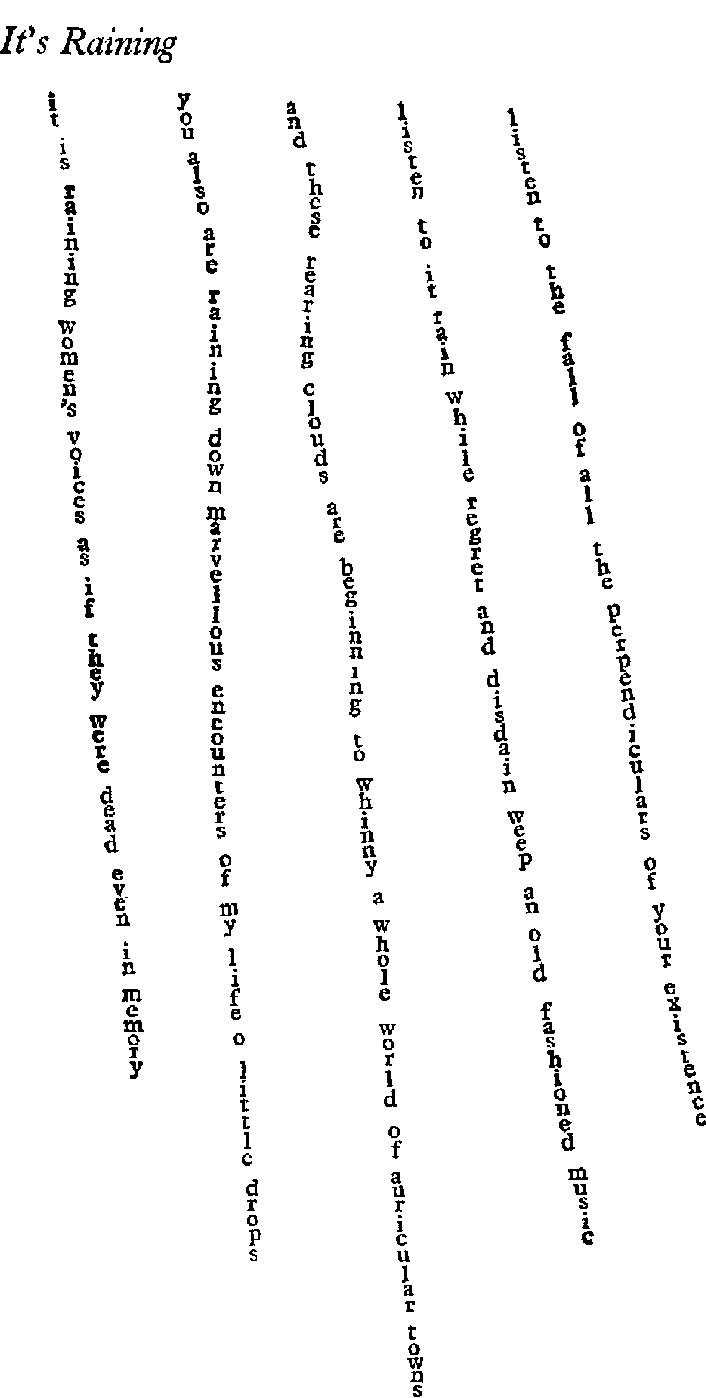
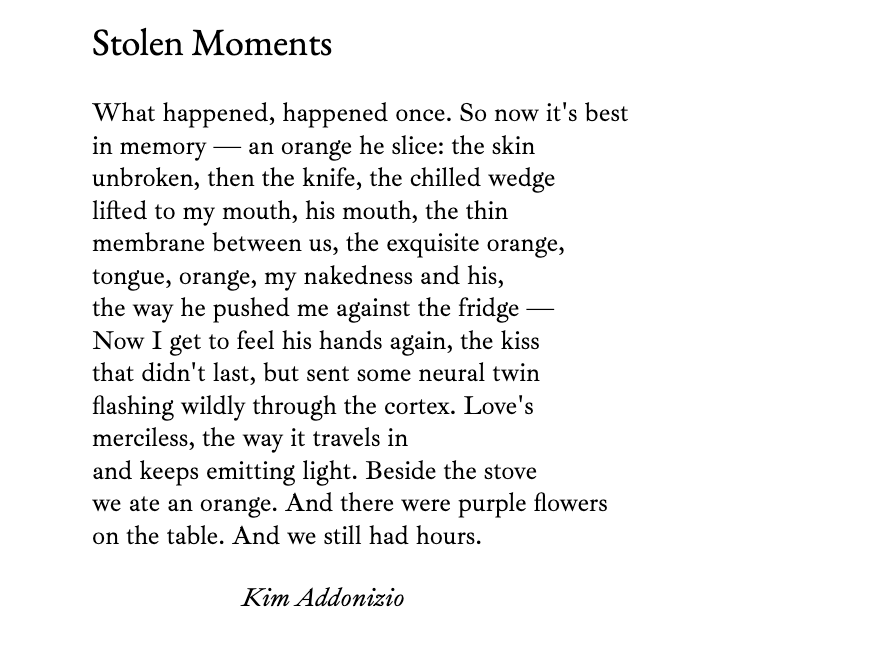
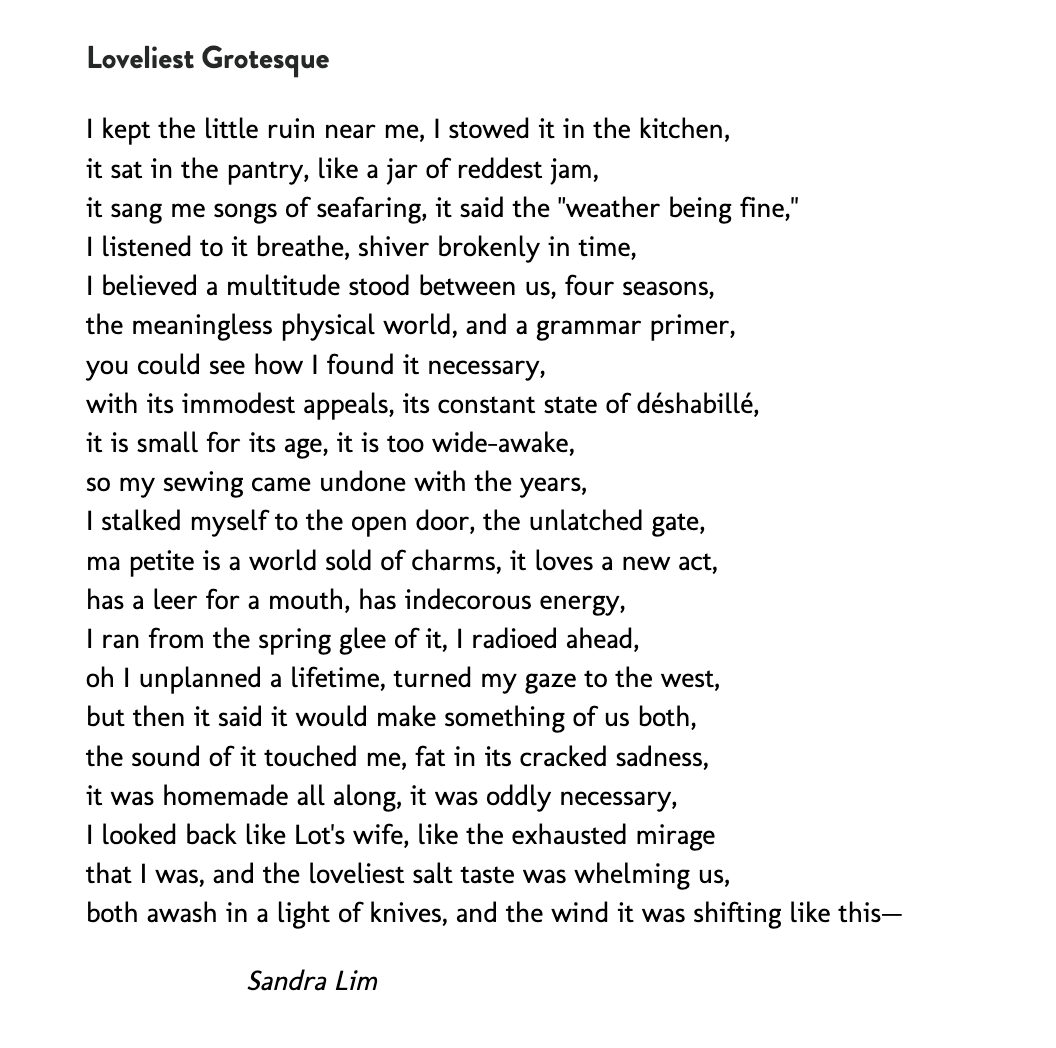
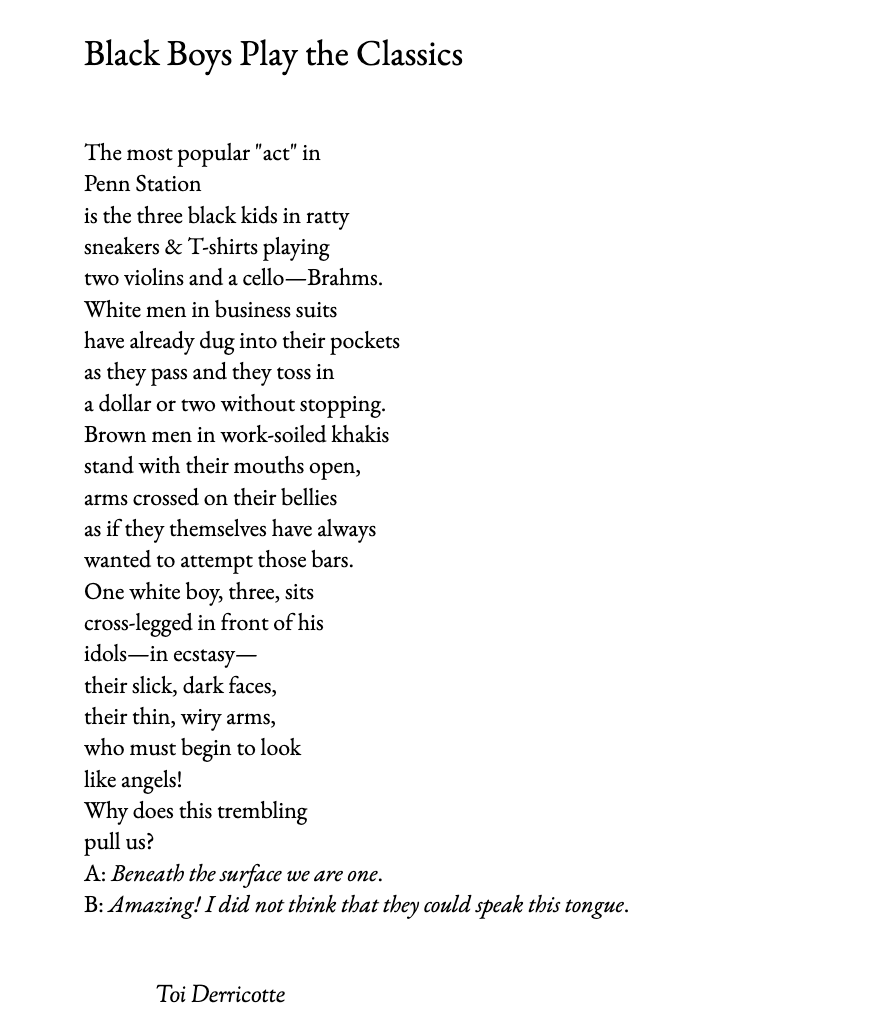
“Their mouths are all little circles—oh, they say, / there are so many places to be,” writes John Gallaher in “Anecdote of the Field”.
They are telling me something about time
that I know, something about eternity I can't
take in. There's anger, there's anguish. Put them
in their corners and turn your back. They will
make mouths at each other behind it,
acknowledge each other across it. But how
do you get out of the room and what do
they do when you are gone?
— Sandra Kohler, “Litany”
Wipe your hand across your mouth, and laugh;
The worlds revolve like ancient women
Gathering fuel in vacant lots.
— T. S. Eliot
*
Andrés Neuman, Sensitive Anatomy, translated by Nick Caistor & Lorenza Garcia (Open Letter Books)
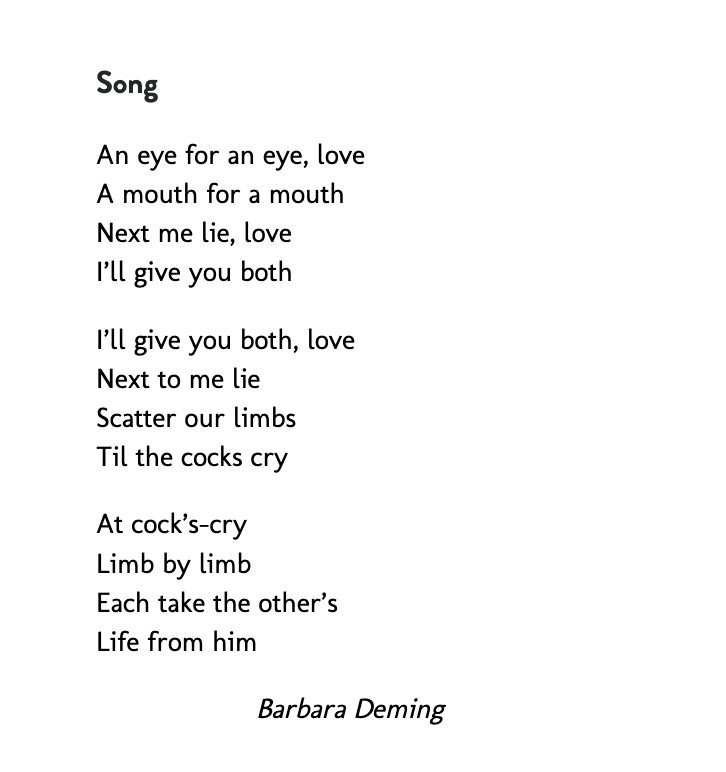
Barbara Deming, “Song”
Emma Bee Bernstein, Self-portrait with lights in mouth, photograph, c. 2006-2007
Jerzy Pilch and Bill Johnston, “Heart in Mouth”, Chicago Review, Vol. 46, No. 3/4, (2000)
Mark Goodman, Suspicion (2014–2017)
Sandra Kohler, “Litany”
Terence Hayes, “The Blue Sylvia”