Among all possible things that could happen - the myths, the worlds not “created,” the plenitudes undisplaced - the poem, like the person of which it is inferential, is the one actual thing (one of the actual things) that did happen in the situation at hand. The poem is not the unconstrained child of preterition, of the experiential esprit d'escalier; nor does it consist of experimental counterfactuals with respect to a given state of affairs (the poetic imagination, that which comes to mind as image, is the defeat of the heterocosmic theoretical intelligence; it is the one thing that could be done. It is the one thing that was done, and its excellence derives from its retrospective inevitability - its cosmic “fitness.” Consequently, poetry is a hostage in the one world where finally and unexchangeably the thing that happens, the very thing, comes to reside.
— Allen Grossman
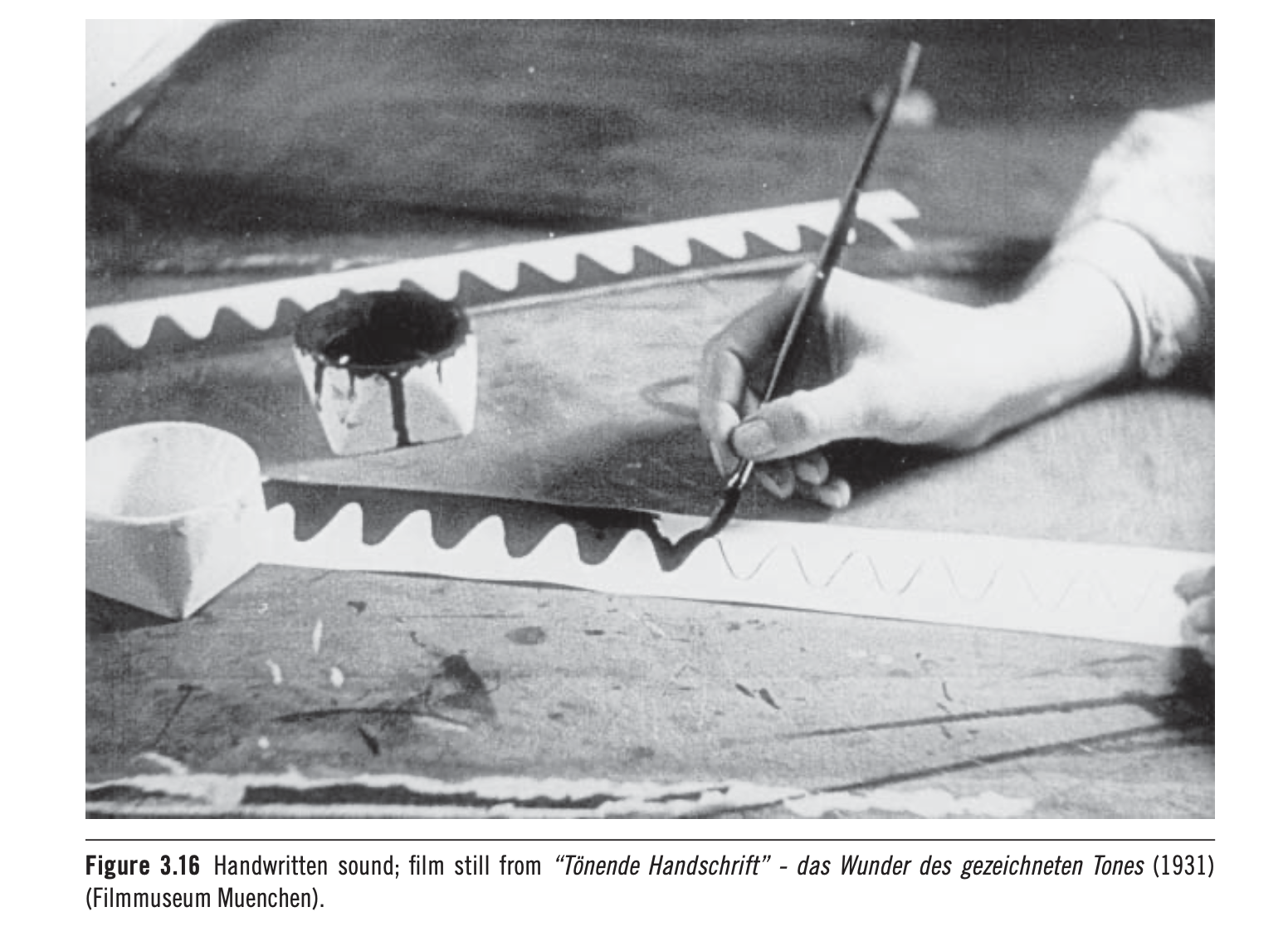
Victor Serge’s final poem, “Hands,” was published in a special issue of Témoins, no. 21 in February 1959.
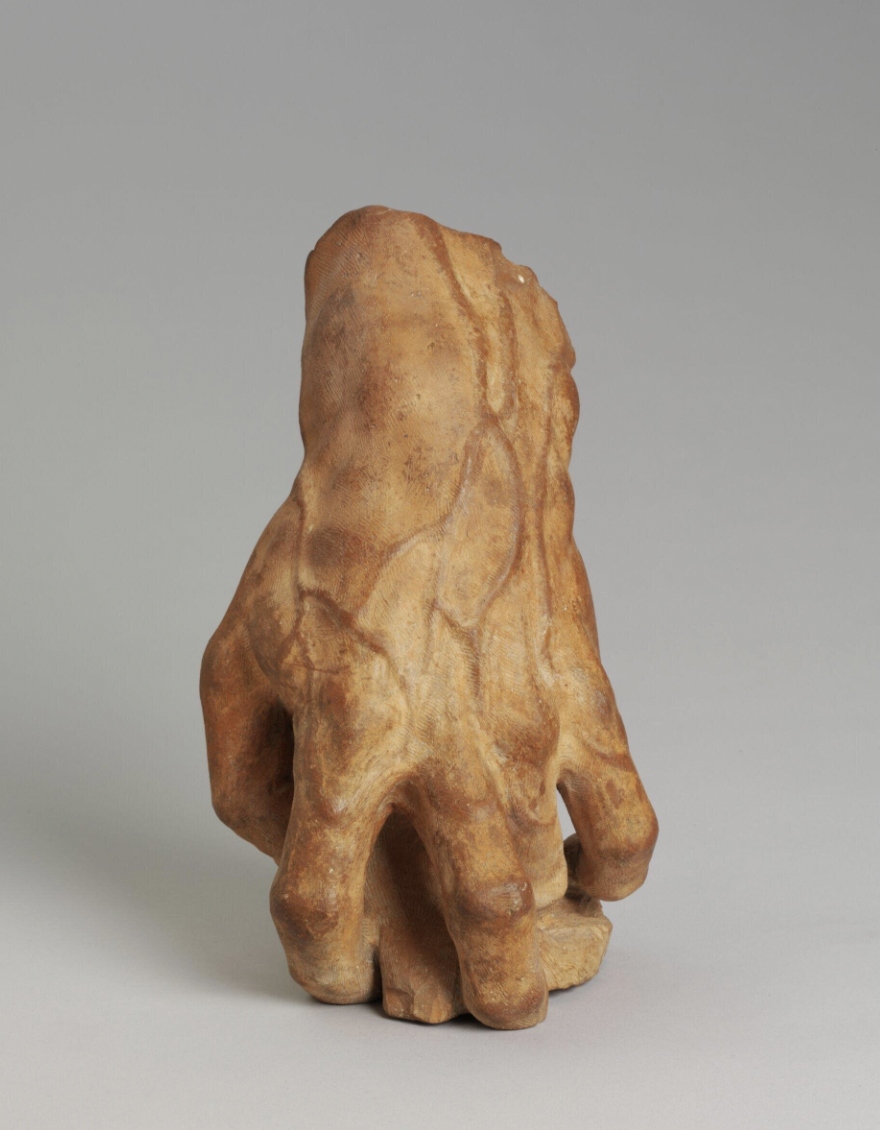
It is an ekphrasis of sorts, a dialogue with a work the writer had seen in London.
Another time and place: a world prior to his exile in Mexico.
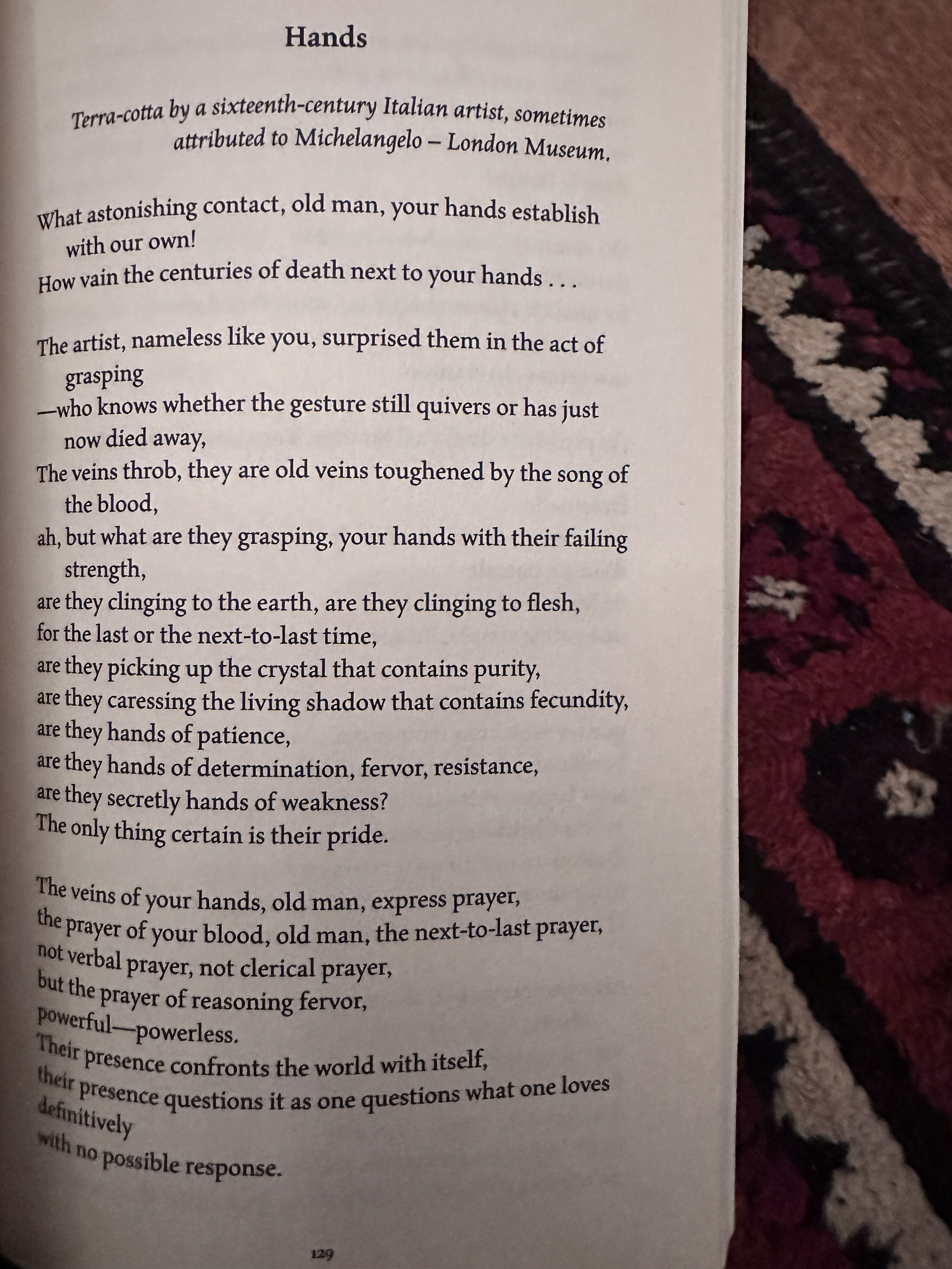
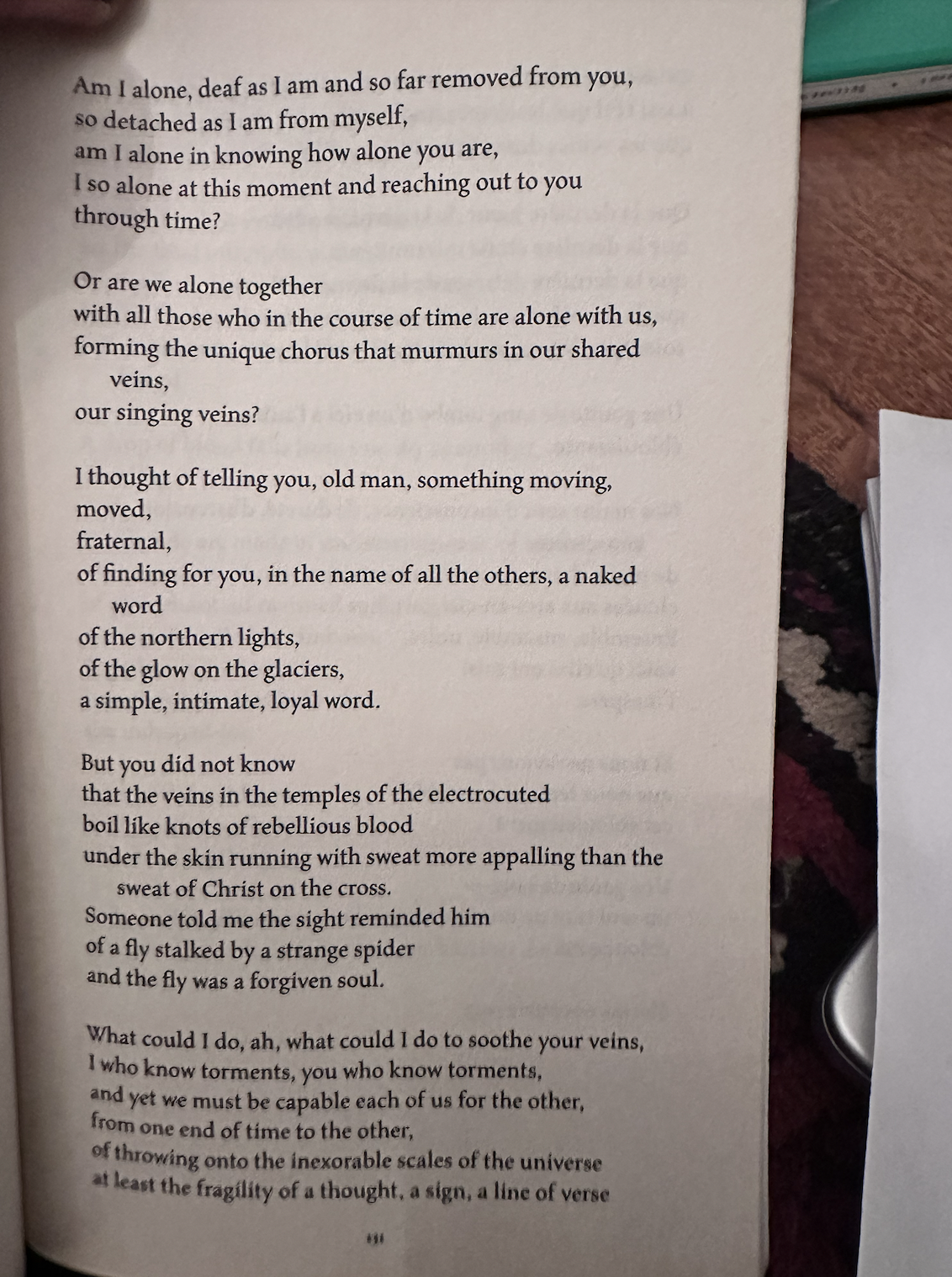
The poem is lengthy— and I have given only the first two pages of James Brook’s translation.
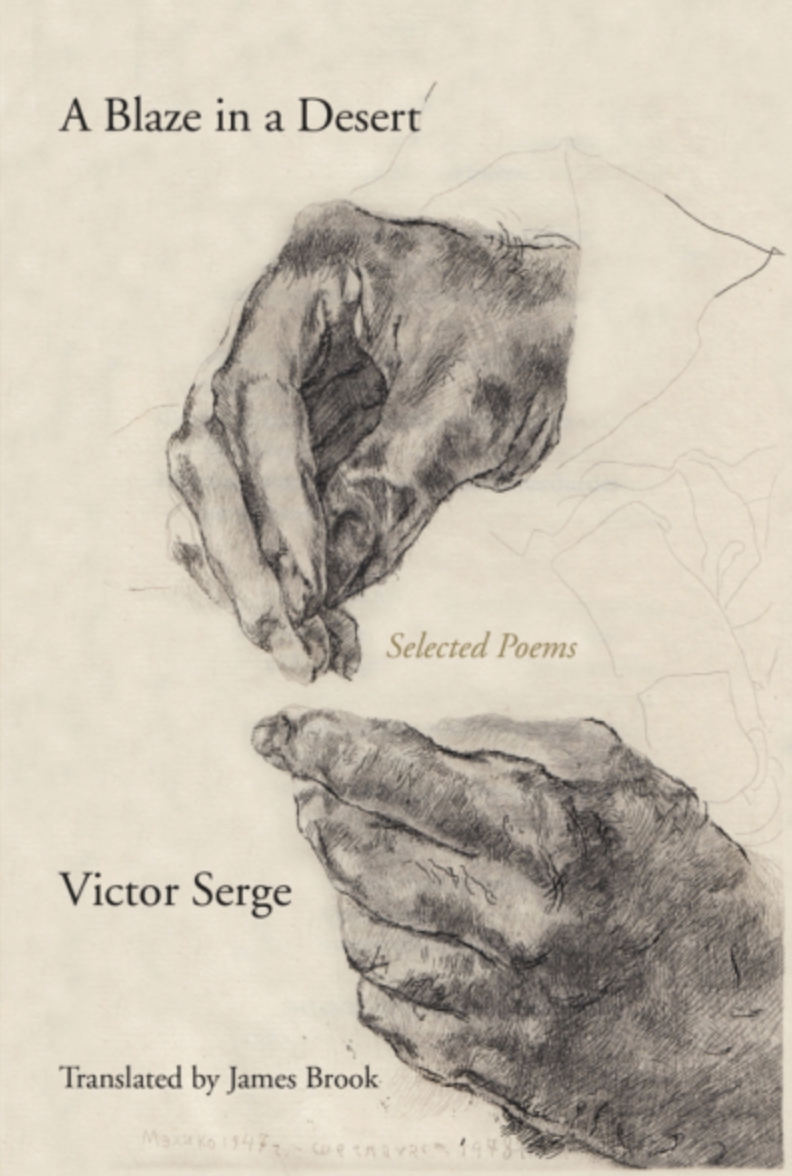
Serge’s son, Vlady, later had the poem published in a bilingual edition, Mains/Manos: Un Poema de Victor Serge, that includes an engraving from Vlady's sketch of his father's hands. It is the son’s sketch of his father’s hands that moves me so deeply, and makes me think of my own father, whose hands I inherited.
Vlady’s sketch of Serge’s hands is reproduced on the cover of A Blaze in a Desert: Selected Poems, edited and translated by James Brook, appended by an illuminating afterword by Richard Greeman. This book is the blaze from which the two pages of “Hands” have been excerpted.
Serge died in Mexico in November 1947, the same month in which he wrote this poem. His idea of being “alone together” is a continuous touchstone in the correspondence between writers, artists, and revolutionists across modernity.
Some have noticed parallels between Serge’s “Hands” and Arthur Rimbaud's “Les mains de Jeanne-Marie.” In an end-note, Brooks writes: “As translated by Paul Schmidt, Rimbaud's poem, with its Communard heroine, begins ‘Jeanne-Marie has powerful hands, / Dark hands summertime has tanned, / Hands pale as a dead man's hands’.” The note continues:
Jean-Luc Steinmetz tied “Jeanne-Marie” to Rimbaud's reading of Théophile Gautier's “Étude de mains,” the first part of which interrogates the sculpture of a beautiful woman's hand, and the second part of which describes the severed hand of the criminal dandy Lacenaire after his execution.
In this sense, Serge’s “Hands” reached towards other hands, as part of a literary lineage and the families we forge across texts in order to balance the disenchantments of ideas like “home”.
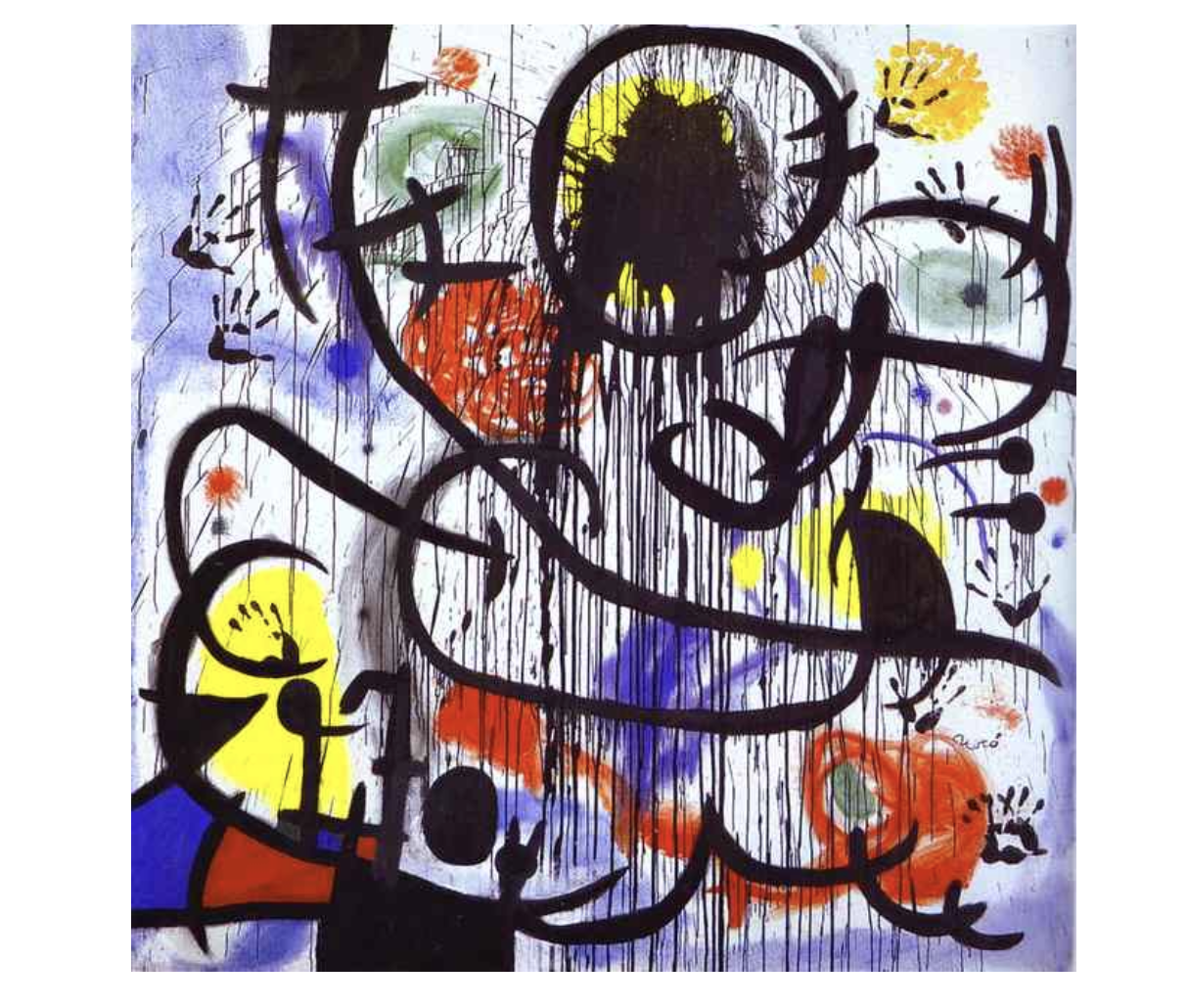
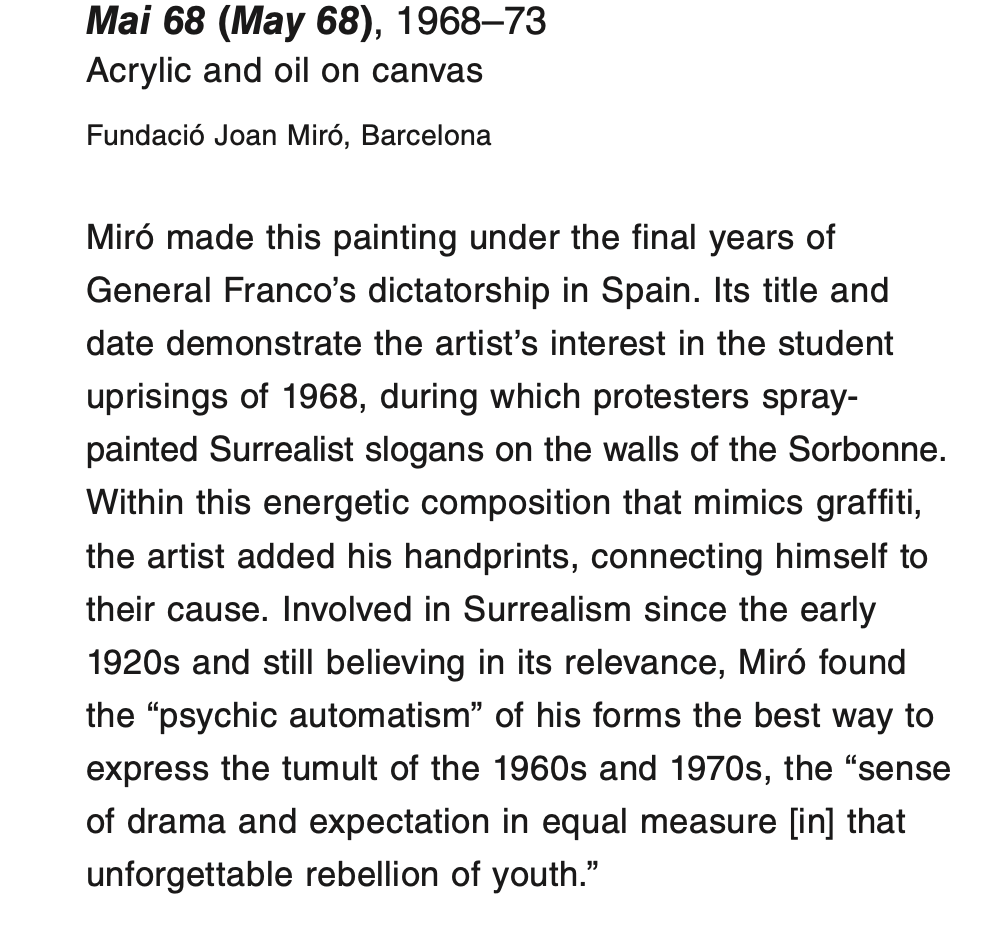
Victor Serge was not a surrealist. But some of his closest friends were surrealists— closer to the internationalism of the Bucharest surrealists than to that of Breton.
L’éclat de ces mains amoureuses
Tourne le crâne des brebis !
Dans leurs phalanges savoureuses
Le grand soleil met un rubis !
— Rimbaud, from “Les mains de Jeanne-Marie”
*
Arthur Rimbaud, “Les mains de Jeanne-Marie”
Arthur Rimbaud, “The Hands of Jeanne Marie”
Metropolitan Museum of Art, “Surrealism Beyond Borders” Visiting Guide
”Michelangelo’s Hand” (probably 1580) author unknown
Théophile Gautier, “Étude de mains” (Poésies, Paris: Flammarion, 2004)
Victor Serge, A Blaze in a Desert: Selected Poems (PM Press, 2017)
Victor Serge, Mains/Manos: Un Poema de Victor Serge, trans. by Verónica Volkow (Mexico: Carta al Lector y El Taller Martín Pescador, 1978)