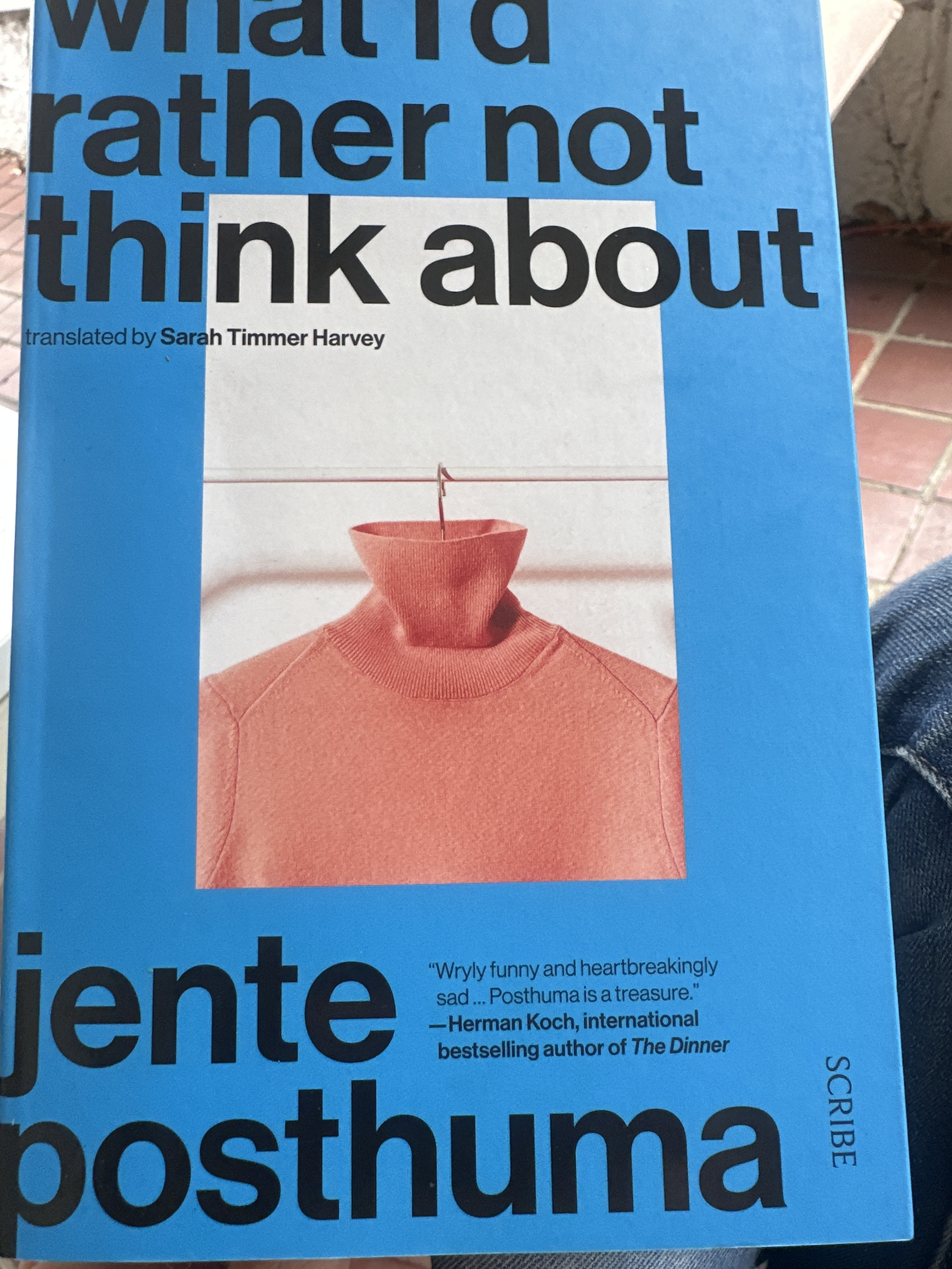
Two passages in Jente Posthuma’s What I’d Rather Not Think About made me think about a thing I’d rather not think about, namely, the months I spent inside chatrooms for tinnitus, disguised as a man, talking to similarly-afflicted men in the hope of discovering a way to end the ringing in my right ear.
There was so much shame in those veteran-filled chatrooms— self-annihilating shame bridled by the fear of telling loved ones why Iraq kept returning after fireworks or rock shows. Years after erasing my Tinnitus-Chat identity, those comments continue to haunt me. Comments like . . . “I don’t want to keep my son from watching cartoons”: “I don’t want to tell my wife”; “I’m losing my mind and can’t concentrate on anything”; “I feel like I have to protect myself from the world and hold it at a distance”; “I can’t live in my body it makes me crazy”; “Is this my punishment”; “If my wife knew, she’d think I was pathetic”; “I hate myself”; “I don’t want to live if this doesn’t end”; “I can’t keep living like this”; “It’s torture, you know, it is an invisible torture I had to leave the IMAX with my girlfriend”; “I can’t go to a sports bar anymore because it gets worse after all those tvs are screaming at once”; “I feel like I’ve failed my family”. . . etc etc.
What follows is the first passage from Posthuma’s book that led me back to the surreal time when I thought the tinnitus could end— the time when I had hope, as they say, of resuming a life unmarred by the ringing.
The day the ringing started. I know exactly when it was, the day my brother was going to help my mother plant a rosebush. I'd driven him to the village and we were singing along to a Ween song, the one about friends being so close but so far away but then I noticed I was singing alone. I looked over and say my brother pressing his index fingers against his ears. I thought he was playing an old game of ours, the one where he'd quickly press his ears open and closed, making everything sound like a skipping CD, so I continued singing extra loudly. Then I stopped.
My ears are ringing, he said.
He took his hands away from his ears.
I'll stop, I said. At the same moment, he said: It won't stop.
The ringing continued for the entire day. I joked it was because of my singing and he laughed but looked worried. He'd once read something about people whose ears started ringing and continued to ring for the rest of their lives. It can just randomly happen to you, he said. Like cancer.
A few days later, the ringing was still there. It wasn't a comforting sound, he said. It didn't sound like rushing water.
Sometimes it turned into a beeping noise.
I wondered if something in his ears had ruptured and suggested that he should see a doctor. He nodded absently.
Don't complain if you aren't going to do anything about it, I said.
When he went to the doctor she said: There's nothing you can do about it. Sometimes it stops on its own.
See I told you so, I said.
And there is another passage from the book that recalled some of the veterans I met in those chatrooms— recollections which make me shudder with fury at our socialization. I will never find words to bury my loathing for the normative masculinity that crushes what is human in us, and (in my opinion) cultivates the unfortunate relationship between tinnitus and death by suicide. I will never, ever forgive us.
Here is the passage from Posthuma:
We were standing in front of the highest apartment building in the city, a building many people had thrown themselves off. My brother told me what happened to your body when you jump from a great height and smack onto the pavement. If you want to have any chance of surviving, then it's best to land on the balls of your feet, he said, with your knees slightly bent. And you should fall on your side rather than your back, and if that doesn't work, fall forwards with your arms covering your face. I's just that there are very few people who can survive a fall of more than thirty metres, so it's always better not to fall at all.
Promise me you'll never jump off a building, I said.
He promised.
*
Goran Bregovic featuring Eugene Hütz, “Quantum Utopia”
Jente Posthuma, What I’d Rather Not Think About (translated by Sarah Timmer Harvey)
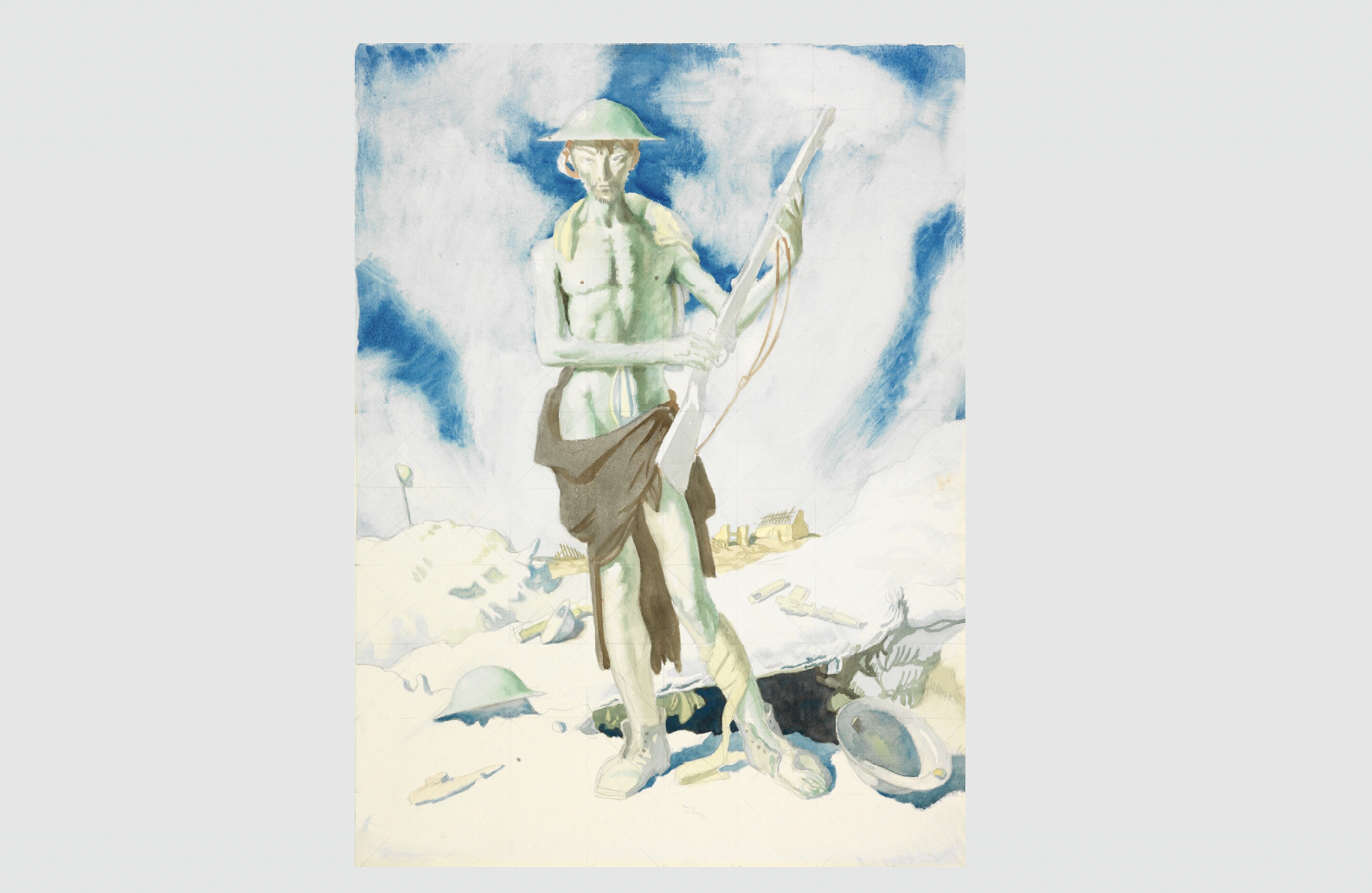
William Orpen, Blown Up (1917)