Maybe this is what is behind what W.S. Merwin wrote me a couple years ago (I’ve just dug out his letter): “What I wanted, most of my life to write was something that we would want to remember in a time of threat and crisis, to take into great peril.”
— William Heyen
Sad is the man who is asked for a story
and can't come up with one.
— Li Young-Lee, “A Story”
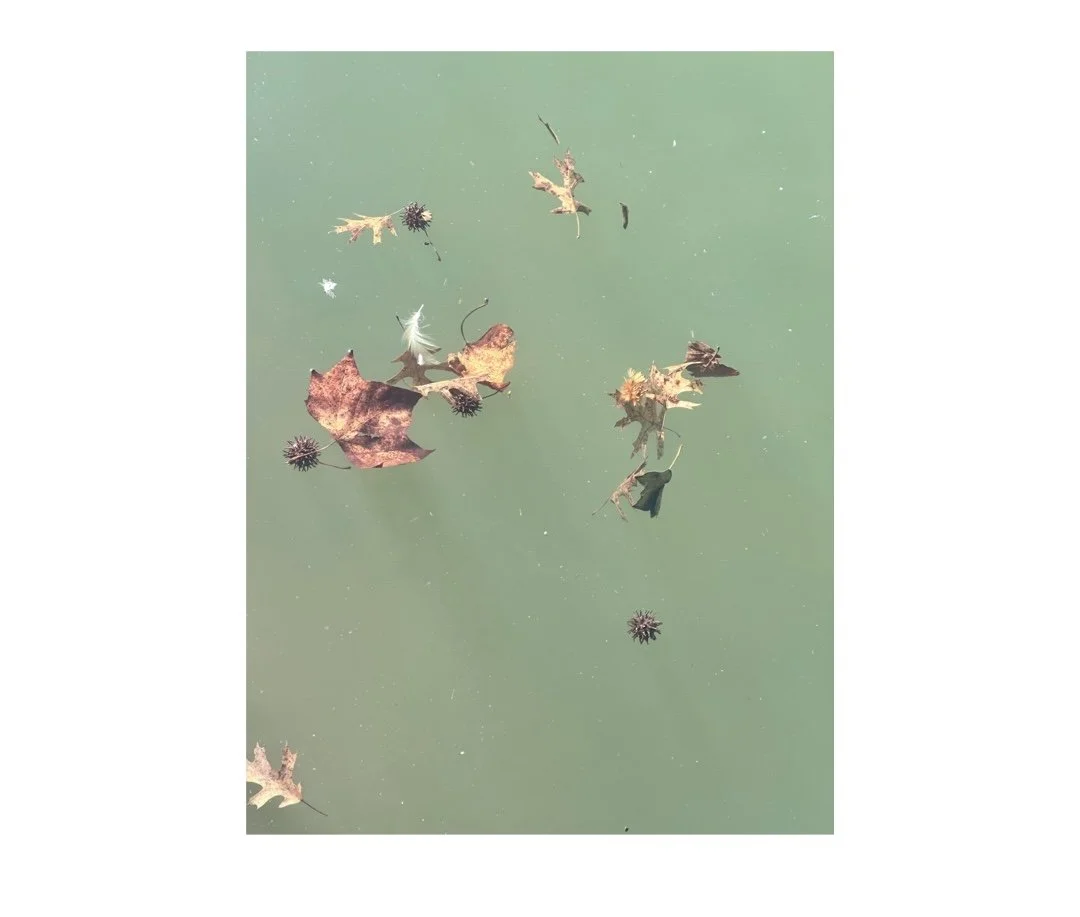
I wanted to share a few of William Heyen’s poems without much ado about bio. Without an interpretive synopsis. Without systematic study. Not even a gloss or a ganglia. Simply a few poems by Heyen, a few emblematic images, and links to the thoughts of others.
There are many turtles who trundle across the stanzas of Heyen’s poems. One of my favorites is the mutilated turtle crawling out of the mud in “Matrix”:
Matrix
When I was a boy,
I found a mutilated turtle
emerging from mud.
Something, when it was young,
had broken its shell
almost in half,
but the shell,
as though welded with glossy solder,
had mended;
something had chewed
its back legs to the joints,
but its stumps were hard.
How did you survive,
I asked it,
but it was mute, still half adream
from its winter sleep.
I spoke to it,
warmed it in my boy's hands,
but it boxed itself up. . . .
For some time
after her mastectomy,
weeks of hospital and chemotherapy,
my wife woke toward me
in slow spirals,
as though from ether,
unsure of where we were
or how we'd live
in our new matrix
of scar and fear.
But it was April, again.
In windows before us,
as we changed her dressings,
the days rained, and warmed.
One morning, I pressed my lips
to her chest until, at last,
she believed,
and opened up to me,
our answers so slow to come
that came.
William Heyen
Sometimes Heyen blurs the boundaries between interior and exterior very openly, playing with symbols and “lit” interiors. “Wish” does something wonderful with the ampersand and the impossible either/or that seeks to end with an “end”:
Wish
In my dream, my car is an aquarium.
I'm on the hood, prone, looking in,
wondering how I could ever drive again.
It's evening, my interior lit with tropical fish
& desire for a new life. I didn't know
I was this tired. I place my forehead
against windshield, close my eyes, & wish
for you know what. In the beginning, friend,
each word was a dreaming plant or animal
until our traffic changed everything, but something
seems to be happening for the better, now,
if only it's not too late. I fall asleep
against this glass until I wake, a few
guppies & angels convulsing in the drying soul
of the world until our ecstasy, &/or our end.
Something about “the drying soul / of the world” made me think of an oil painting by Donald Roller Wilson that pulls us into the room ghosted by its inhabitants. There is always a tinge of ghostliness in representational art that seeks to depict an interior.
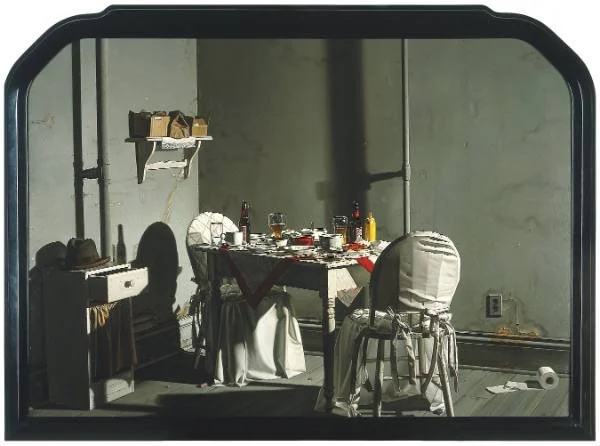
Donald Roller Wilson, Mrs. Jenkins' Late Night Dinner in Her Room, Alone (While, Out in the Hall Leading to Her Room, Her Small Friends were Sleeping), 1984
Wilson wrote a poem to accompany (or enhance) (or revision) (or animate) his painting. Reading it adds tones the scene a bit: many of the actions — peeked inside, seen the light, we fooled, it seemed, she was inside — play the idea of seeing against the materiality of the sight. I treasure the way Wilson keeps the whole lettering of “all” in the closing portmanteau word. Moving back and forth between the image and text, one has the sense of being populated by the voices in Mrs. Jenkins’ “interior,” looking for verbs inside the shadows and left- open drawers.
Mrs. Jenkins’ late night dinner in her room, alone (While, out in the hall leading to her room, her small friends were sleeping)
Mrs. Jenkins set her table
Made it look like two
Had dined together in her room last night
And in the morning—through her keyhole
Most who peeked inside
Had seen the plates but none had seen the light
And very few who saw caught on
For most were fooled—it seemed
And those who knew had tried to be polite
They knew that though she played her tricks
Down deep, she was inside
And, in the end, that she would be allright
Donald Roller Wilson, 6:32 p.m., Saturday evening, July 14
Heyen again. This time chasing the crow in a parking lot covered with snow:
The Crow
Snow crystals
swirl up from gravel
almost to beautiful white-out.
In the parking lot, high
in a lone tree over the store
in whose diamonds
still break to blue-
white desire in my mind,
a crow,
black intricate jewel,
cries out for all my life
that I am still a fool.
And the way this poem writes itself entirely by the Bowie Song, with dashes of blackbirds and a temporality or affective palette modified by song lyrics. I have written so many poems in this way, and never once submitted them. Maybe it feels too intimate? Too bound by my own relationship to the song, and the response to it. Some poems we write exist entirely in that response, in the shades and velocity of that responsiveness. Heyen’s “Slow Burn” is an elegy as well, and the word “awe” crumbles inside it:
Slow Burn
Listening to David Bowie while
looking up outside my window red-
winged blackbirds streaking from beneath
as though hearing him slow burn, slow burn
revealing spring
honeysuckle bursting clouds racing slow
burn, burn these vivid days since
September when the two towers when
arterial city & Townshend's guitar
the ears of our eyes redwings Bowie's
slow burn marsh reeds swaying
blackbirds crying out warning flaring
do not forget never not forgetting
in this awe of ours black sheen & blood con
gealed in dust & bone slow slow burn burn
Rather than speaking to a song and a memorial feeling, Heyen responds to his friend, James Wright, in this poem titled “While We Are Still Alive.” The word terminal heralds an undercurrent of fear (my ear often harkens upon the terminal diagnosis which may be connoted in it). A repetitive circling of questions about “home” — Where is it? How do we know when we’ve landed? How long does it last? A bit of canned Muzak and airport-food in the metaphysical yearning expressed by the poem’s first-person speaker. I don’t know why I like it, but I do.
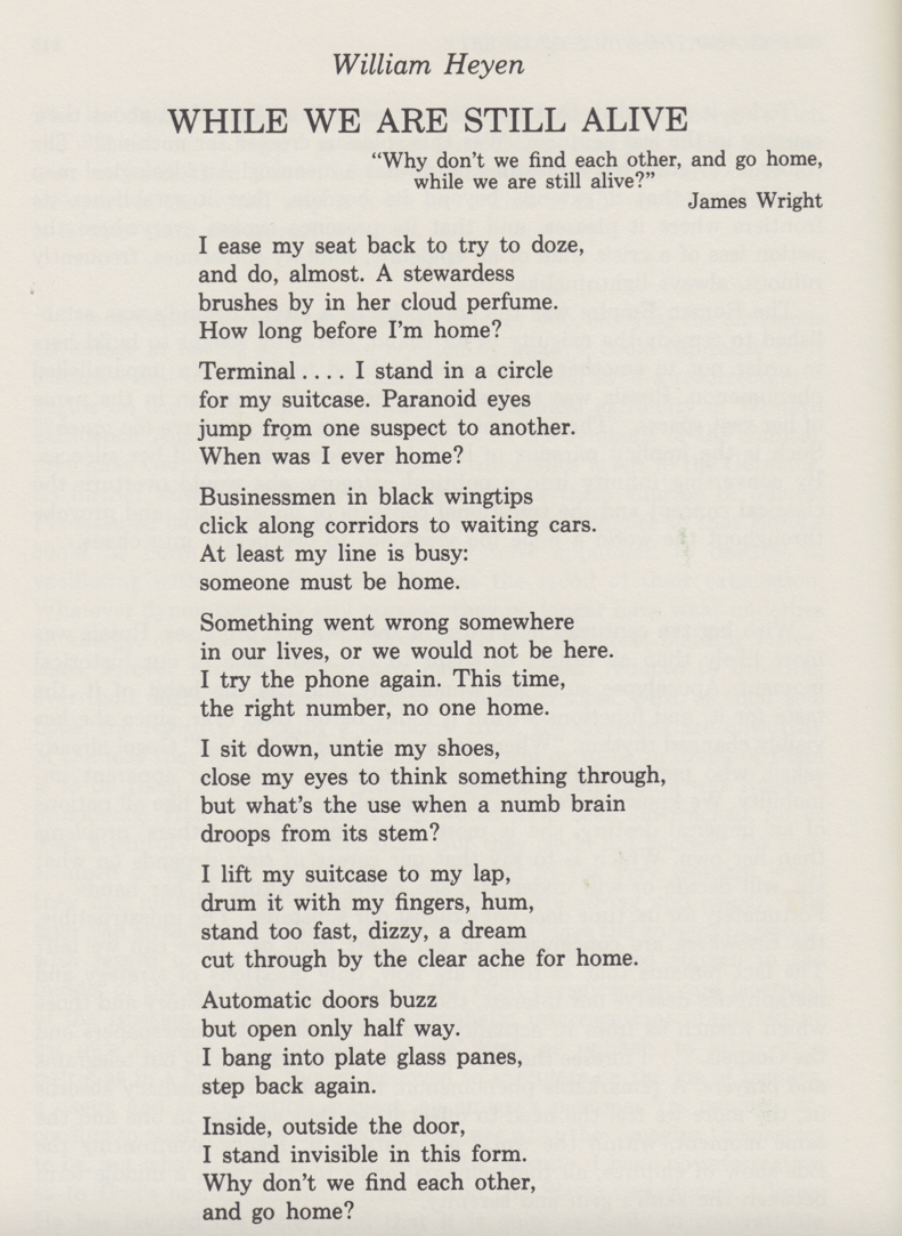
First published in Southern Humanities Review.
It is the poetry of the privileged class.
It inherits portfolios.
It was born in the Ivy League, & inbred there.
Its parents filled its homes with bubbling Bach, silver & crystal brightnesses
for its surfaces.
It does not hear the cheap & natural music of the cow.
— William Heyen, “The New American Poetry”
*
Donald Roller Wilson, Mrs. Jenkins' Late Night Dinner in Her Room, Alone (While, Out in the Hall Leading to Her Room, Her Small Friends were Sleeping), 1984 (Blanton Museum of Art)
Georges Cziffra, Liszt: Études d'exécution transcendante, S.139, No. 10 "Appassionata" in F minor
John R. Read, “Barometric Readings (William Heyen, Geoffrey Hill, William Matthews, Ben Howard, Brian Swann, Reginald Gibbons, and others)” (Ontario Review, 1980)
Philip Brady, “A Conversation With William Heyen” (Artful Dodge Magazine, 27 December 2001)
Robert Farnsworth, “Music for Piano and Electrical Storm” (Poetry Magazine)
Tess Gallagher, “The Poem As a Reservoir for Grief” (Syracuse Scholar, Spring 1984)
Tom Cipullo, Crickets a song after William Hyen’s poem (Songs of America)
William Heyen, “Blackberries”
William Heyen, “Mustard”
William Heyen, “The Coffin”
William Heyen, “The Crow”
William Heyen, “The New American Poetry”
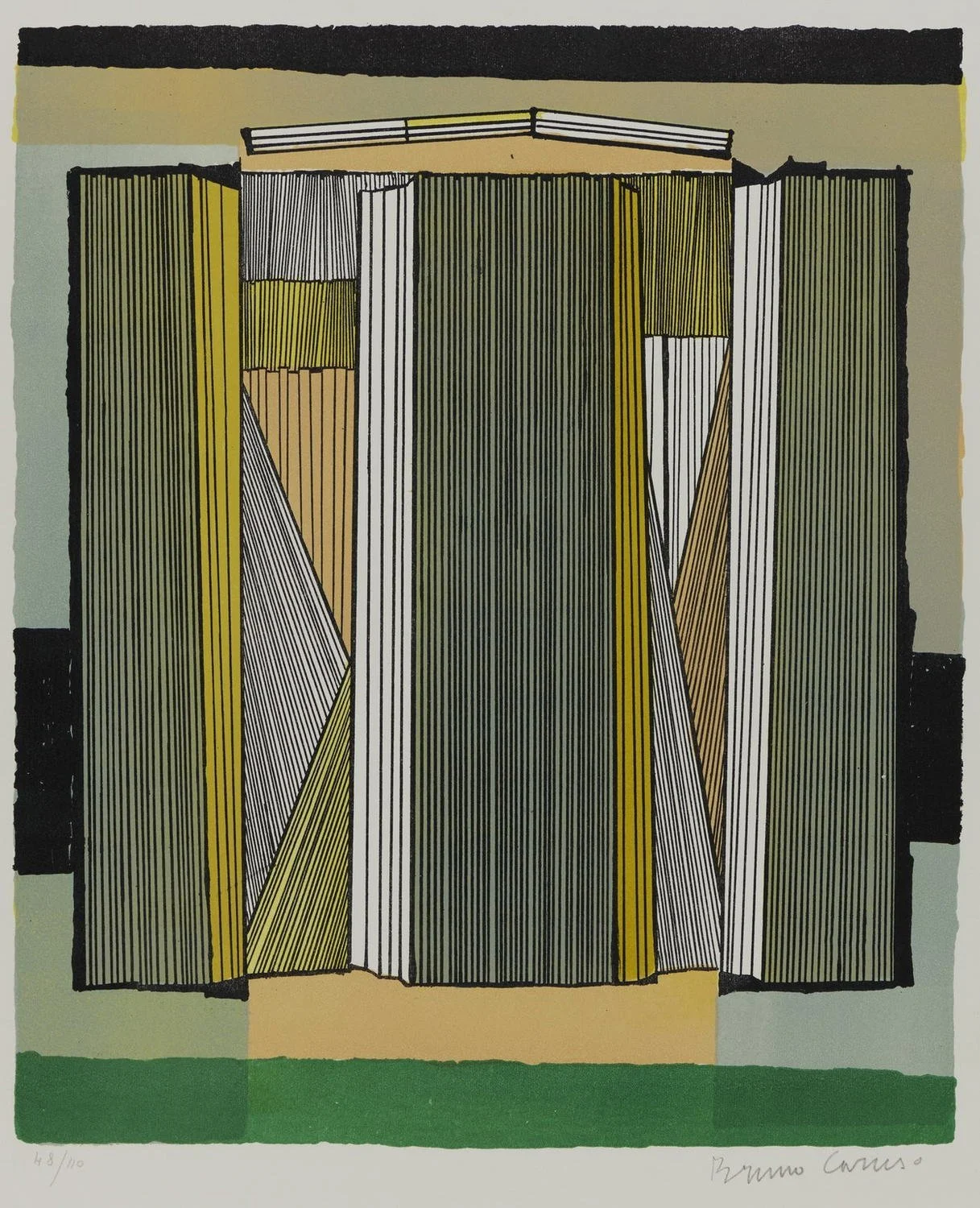
Bruno Caruso. Natura Morta, Lithograph on wove paper.