Then when those shades so far from us had run
That they could now be seen no more, arose
A new thought in me and then another one,
And many and divers others sprang from those,
And I so wandered in and out of them
That all the wandering made mine eyes to close,
And thinking was transmuted into dream.
— Dante, Purgatorio
‘THE INDEFINITE SUBLIME’
“How do you write?” Tom McCarthy asks in a recent essay titled “Moby-Dick and the Indefinite Sublime.”
When I came across this essay last month, McCarthy’s opening struck me. It begins with a question (and I quote):
How do you enter or approach that space where literature becomes possible? Is there some kind of protocol or password that, once cracked, grants access to those secreted troves of writerly capacity—some law that, once discerned, unlocks them? I used to imagine so and, in my youth, would flail around like a lost Egyptologist hoping to stumble across it. Despite not having found it, I nonetheless fluked my way into print, whereupon people started to ask me what the secret was. I never knew how to answer—until an acquaintance, the novelist Sheila Heti, passed me an email she’d received from her friend Miranda July, recounting a recent dream. “My dream last night,” July told Heti, “was in the form of an email from you”:
McCarthy then moves quotes the email from Sheila Heti directly, without altering punctuation, leaving us with the syntax of email between friends:
“Now when someone—interviewer, student, friend—poses the how-to question, I forward this email to them,” McCarthy says. “The advice I (the July version of me) give(s) seems excellent, and right—but in a way whose logic isn’t visible. Think of the essay that follows as a drawing-to-the-surface of this logic.”
As for drawing-to-the-surface, that’s what we do with dreams. And it just so happens that McCarthy’s essay originated as a Santa Fe Institute Public Lecture in May 2026.
A day or so after agreeing to give a talk about Moby-Dick to mark that novel’s 175th anniversary, McCarthy awoke from a dream of his own, “the details of which escape” him but which nevertheless prompt him “at 3:00 or 4:00 a.m., to jot down an outline for my lecture under the heading “The Indefinite Sublime.”
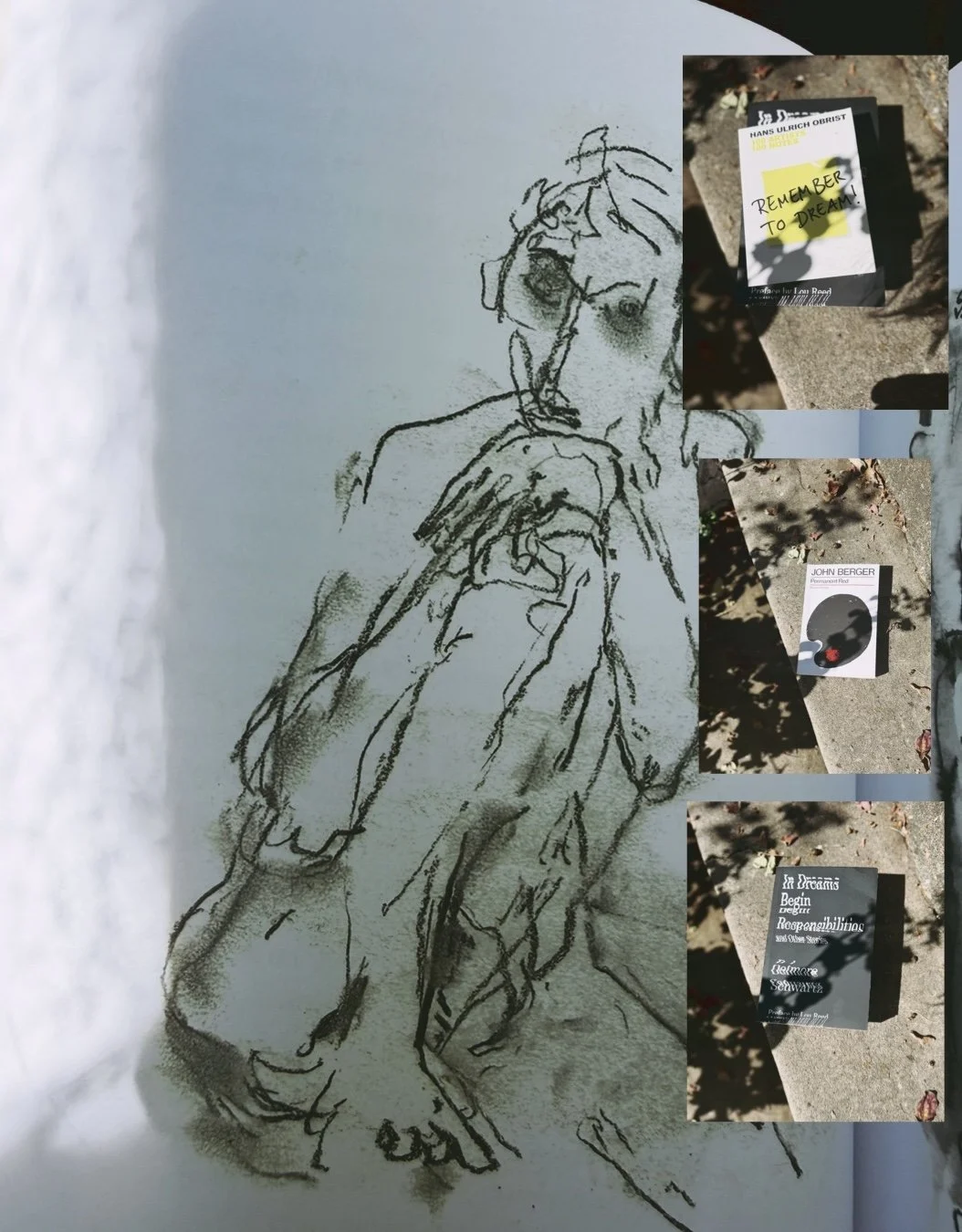

THE THINGS I DIDN’T HAVE TIME TO SAY ABOUT DELMORE SCHWARTZ
“One vowel bedevilled by seven consonants”
—quoth Robert Lowell
Delmore Schwartz . . . Saul Bellow called him the “Mozart of conversation.” Lou Reed called him “the greatest man I ever met.” John Ashbery said “the bulk of his work is unpublished and probably unpublishable”. Ange Mlinko called him “the Orpheus at the heart of American letters”. Publisher James Laughlin called him “the American Auden”. Dwight MacDonald called him “the new Hart Crane”. John Berryman, his friend and mentee, described him as “tortured, beyond what a man might be”.
“Unlike many brilliant talkers Delmore was also eager to listen, and had a flattering way of quoting what one had said on another occasion as if it had been a brilliant insight or extremely witty,” said Eileen Simpson, whose husband, John Berryman, said “I'm off to Cambridge, to show my new poem to God,” meaning Delmore. “The two men, who drank little at that time, talked about alcoholism as if it were a rare disease, like dengue fever,” Eileen Simpson added of John and Delmore in their twenties.
Rita Dove included Delmore Schwartz’s poem, “The Heavy Bear Who Goes with Me” in the Penguin Anthology of Twentieth-Century American Poetry. One man’s heavy bear is another man’s black dog; idioms for depression abound, as do descriptions of Delmore.
In a rather scathing review of Craig Morgan Teicher’s (excellent) anthology of Schwartz’s writing, Ange Mlinko says that publishing more of Delmore’s work would have placed him “critically at the head of a very long era of confessionalism; one we're still in (per “autofiction”).” Confessionalism, here, is obviously deployed in a derogatory manner, but Mlinko makes some interesting observations as well, noting, for example, the influence of “Eliot's vers libre — the iambs lilting now toward tetrameter, now pentameter — in a mode we call Prufrockian: the queasy monologue of the young (male, of course) intellectual in a world of aggressive physicality” in Schwartz’s early poetry. More from Mlinko:
According to friend and editor William Barrett, “Freud was a disaster for Delmore.” The “family romance” explained everything, and his work became increasingly indebted to working out this schema in his own upbringing. Meanwhile, it also gave sanction to his competitive instincts toward his literary fathers; his obsession with being the next Eliot soured into a plan to unmask the man's high-minded poems and expose their sexual secrets. It is only one of Schwartz's unfinished projects, like his abandoned translations of Heinrich Heine, of which there was a reputed fifteen hundred pages once, and a biography of F. Scott Fitzgerald, which he may not have begun at all. But he was capable of writing many versions of his own origin story, beginning with his first published fiction — now we would call it autofiction — “In Dreams Begin Responsibilities…”
What Emil Cioran called “the curse of being born” was not far-fetched to Delmore, whose own family hailed from what was once Romania. Even his own name placed him beneath the cursedness of his birth in a land without roots, in what Mlinko calls “the the social covenant of his very name — Delmore, a clumsy attempt at assimilationism.” Throughout his writings, Delmore would mock and parody his own existence under the sign of “Delmore”, playing with alter egos or secret “Others” like “Hershey Green” and “Shenandoah Fish.”
“In his last years, Schwartz had girls like houris lining up to take care of his sorry alcoholic ass, and it still didn't matter. He wrote almost nothing after his mid-forties, held forth at White Horse Tavern where Dylan Thomas met his demise (beware those Mozartian talkers!), and died alone,” in Mlinko’s words. If Delmore wrote himself repeatedly, he was also written by friends. Saul Bellow painted a portrait of Delmore in his roman-a-clef, Humboldt's Gift. Ashbery said Delmore’s late poetry seemed “to lack the electric compressions and simplifications that animate his early writing, tending toward bald assertiveness.”
Ultimately, I’m here for the coincidences of a pilgrimage. For there is a particular beam of light shining on a staircase in New York City, a light that fell when I visited New York City last year, and made a detour, a brief pilgrimage to the library – and spoke on the phone with M. M. for half an hour about life, translation, and parenting small children. When Delmore had a heart attack in the hallway of a cheap Manhattan motel, it took more than an hour for someone to call an ambulance. By the time the sirens arrived, Delmore was dead. His corpse lay unclaimed in the morgue for two days. And his literary corpus remained unfinished. Delmore had started an epic poem titled Genesis, but the protagonist only reached the age of seven after two hundred pages… James Atlas says Delmore spent his last days sitting in the Main Reading Room of the New York Public Library, "filling one notebook after another with incomprehensible novels.”
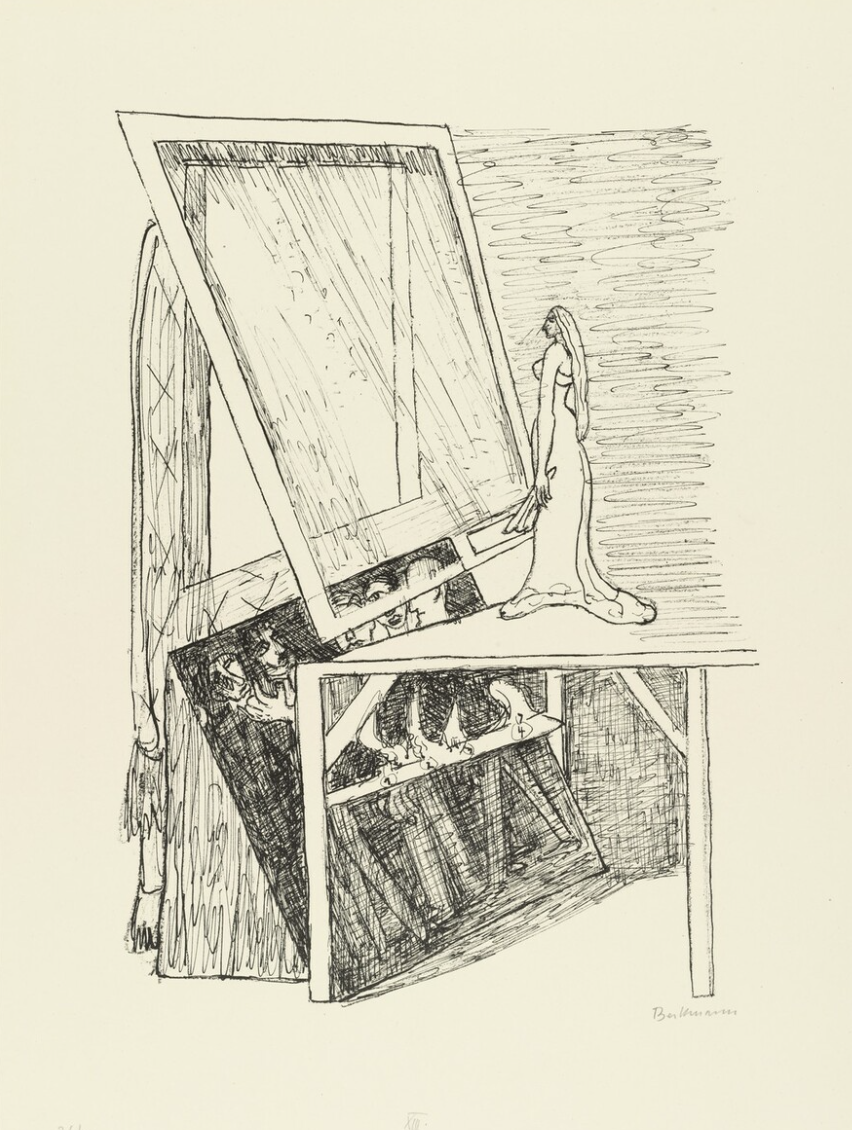
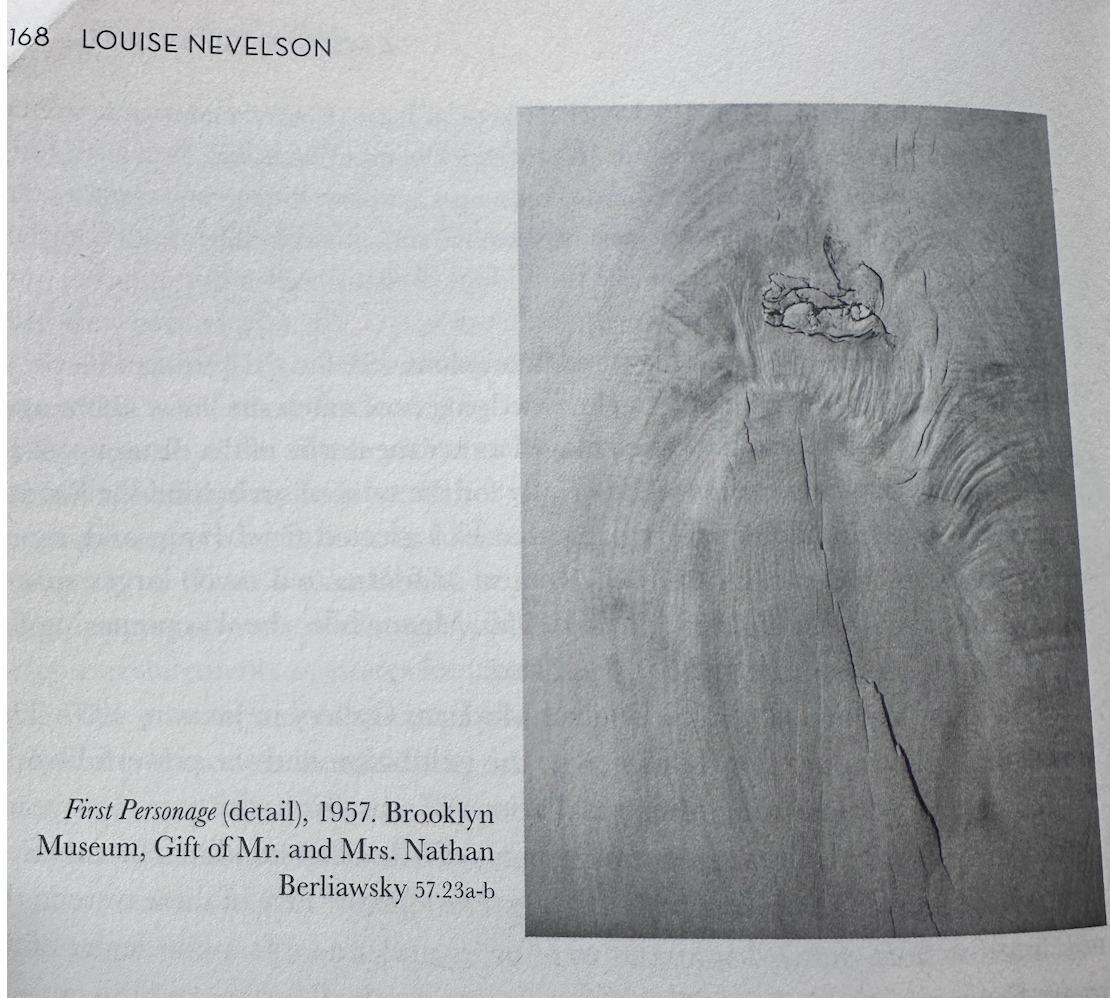
TWO FRAMES ON A WALL
Or different ways of thinking about how to frame and structure the questions posed by narrativity.
“Think of how puzzling a dream is. Such a riddle doesn't have to have a solution. It intrigues us. It is as if there were a riddle here.” (Ludwig Wittgenstein)
“Why should dreaming be more mysterious than the table? Why should they not both be equally mysterious?” (also Wittgenstein)
*
Ange Mlinko, “Delmore Schwartz v. Delmore Schwartz” (Poetry)
Arthur Russell, “Instrumentals" Volume 2 (Part 2)”
Delmore Schwartz, “In Dreams Begin Responsibilities”
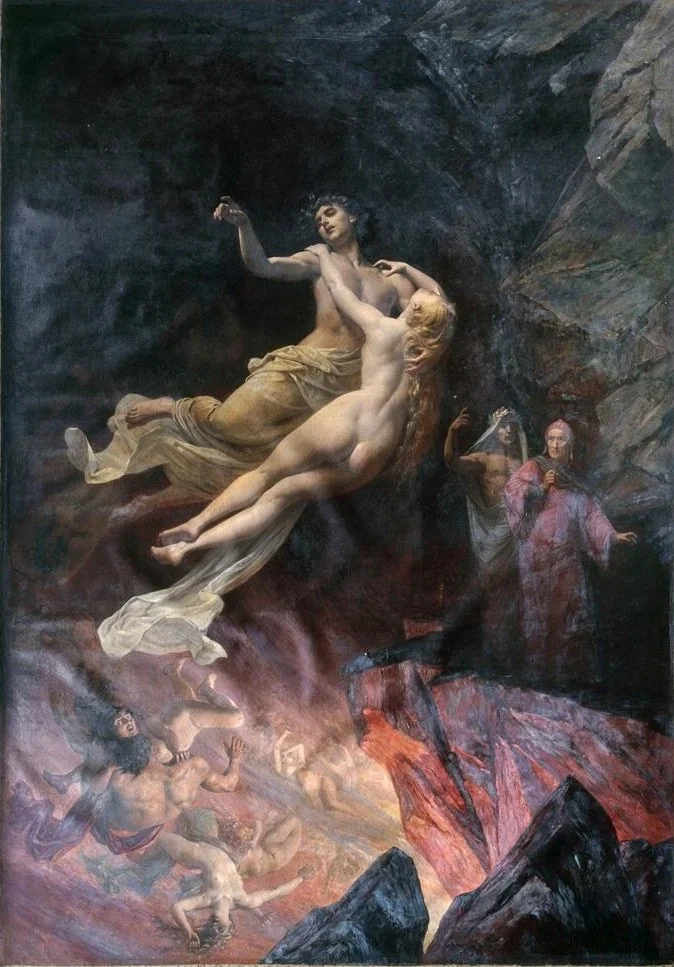
Eugène Deully, Dante et Virgile aux Enfers
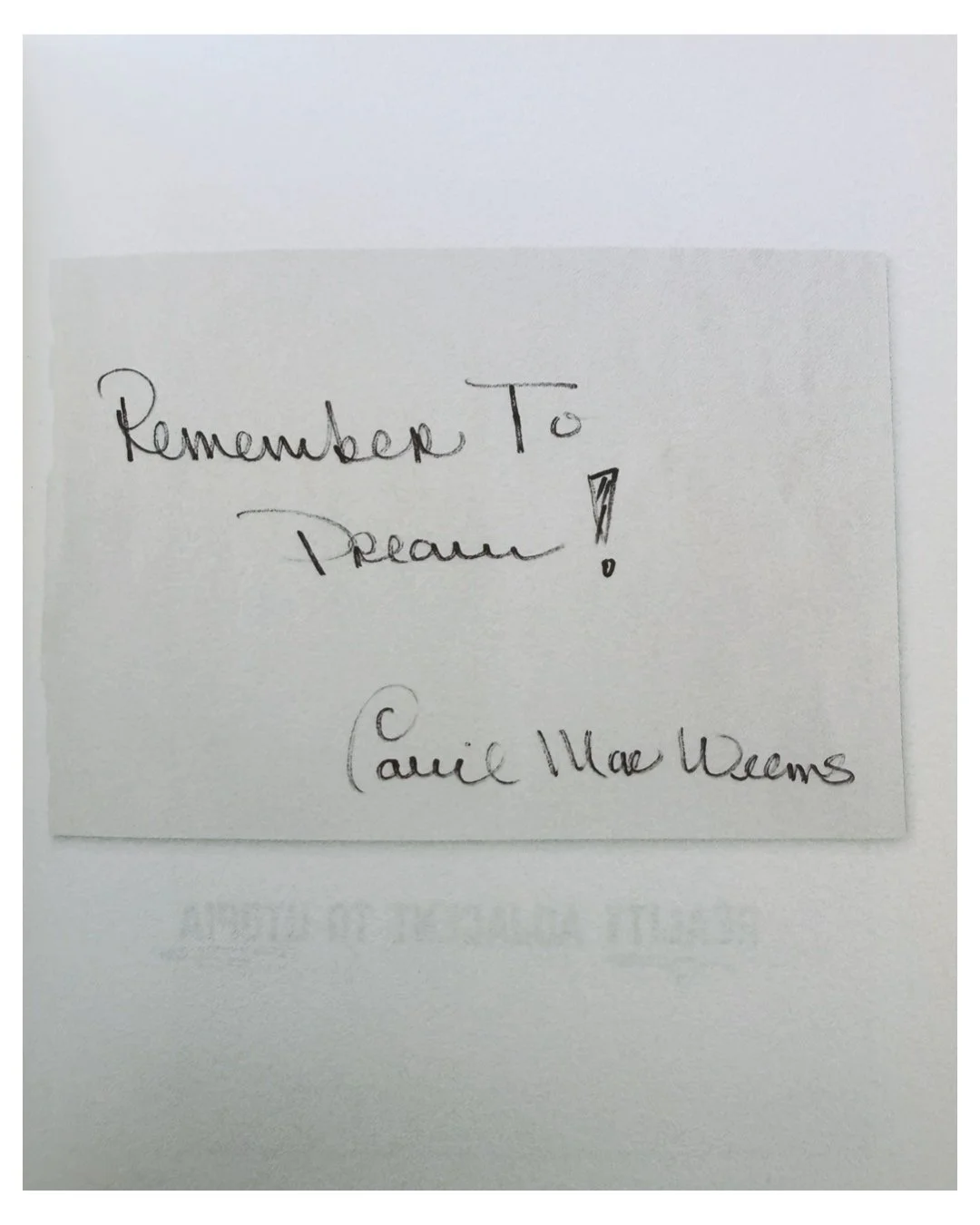
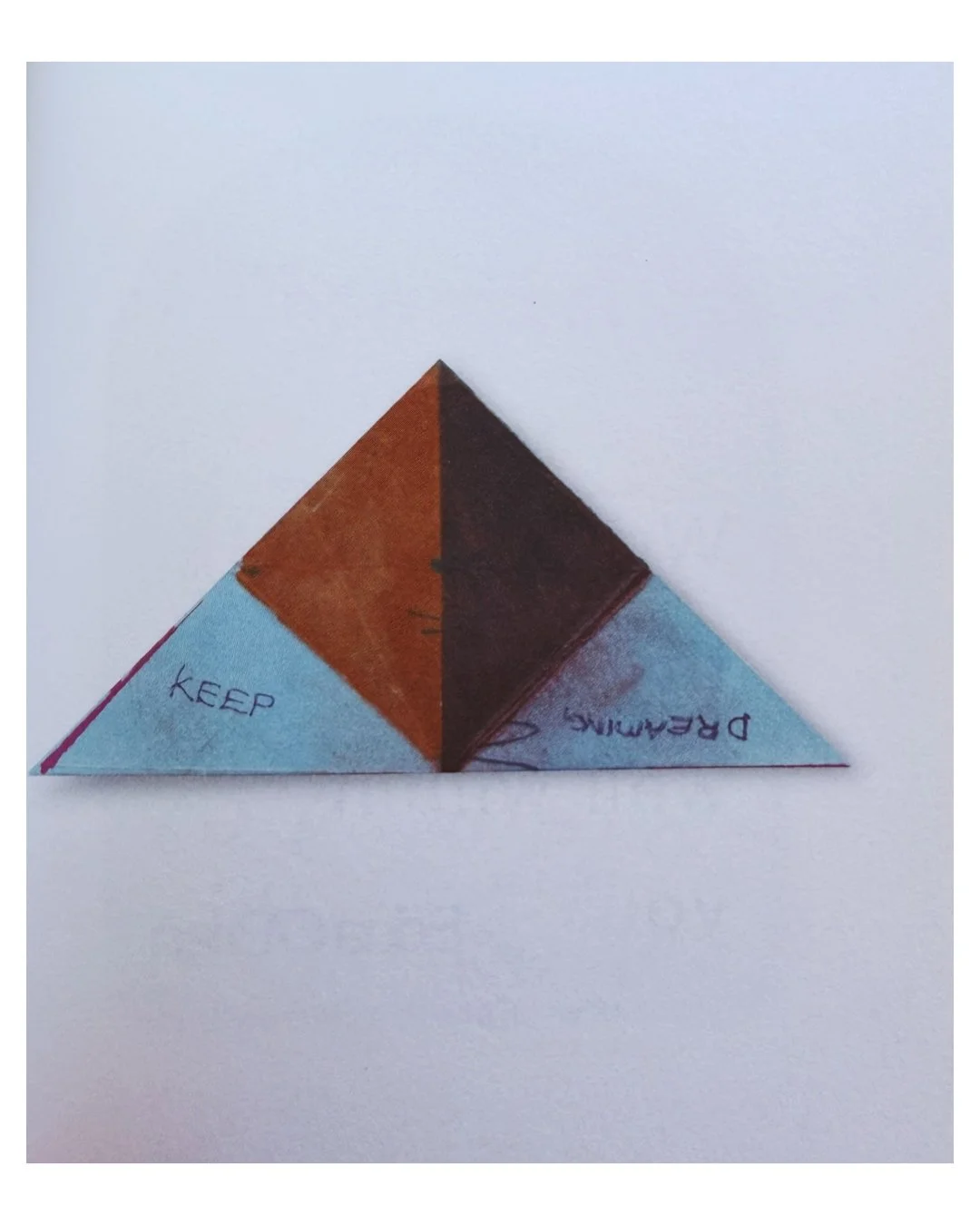
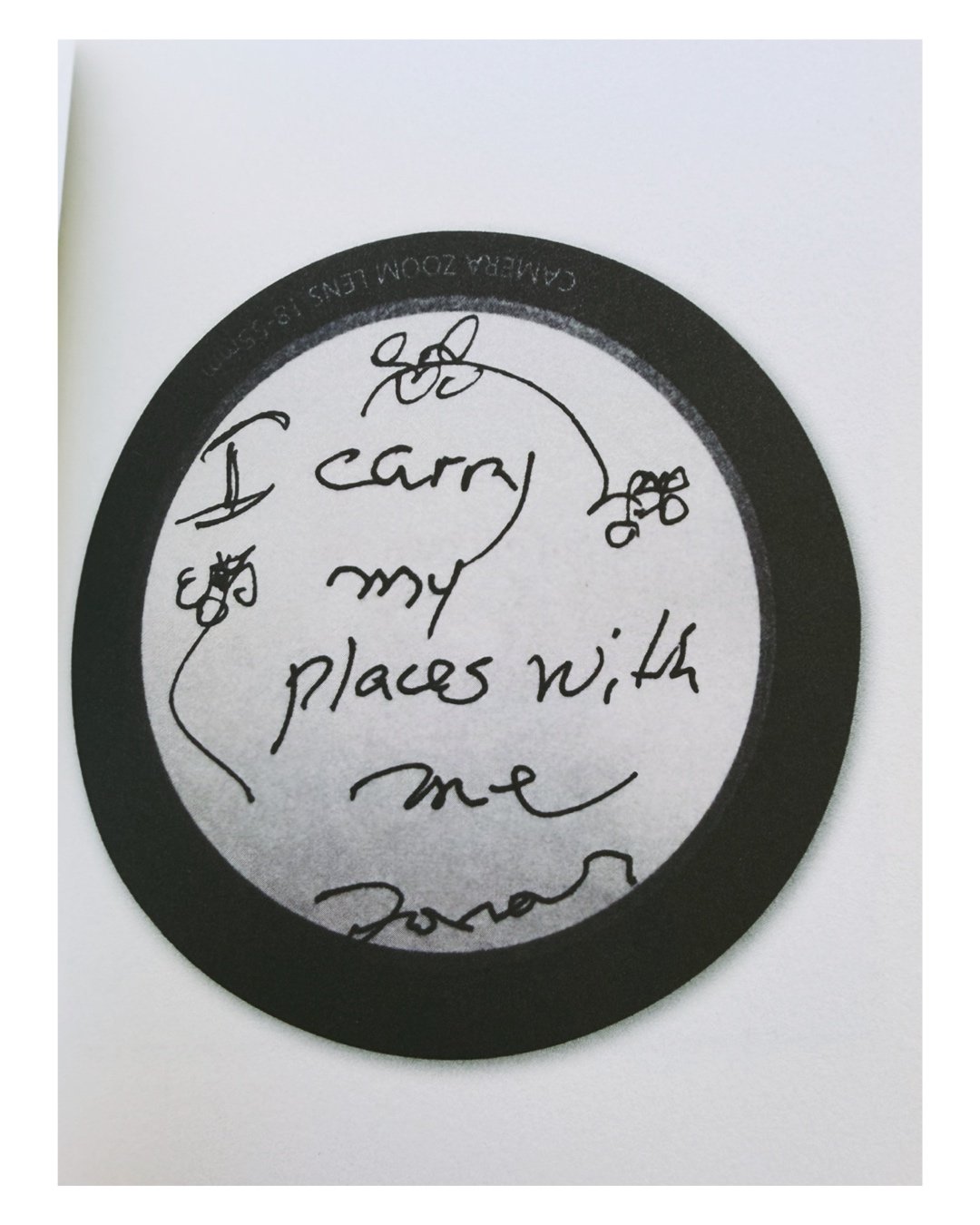
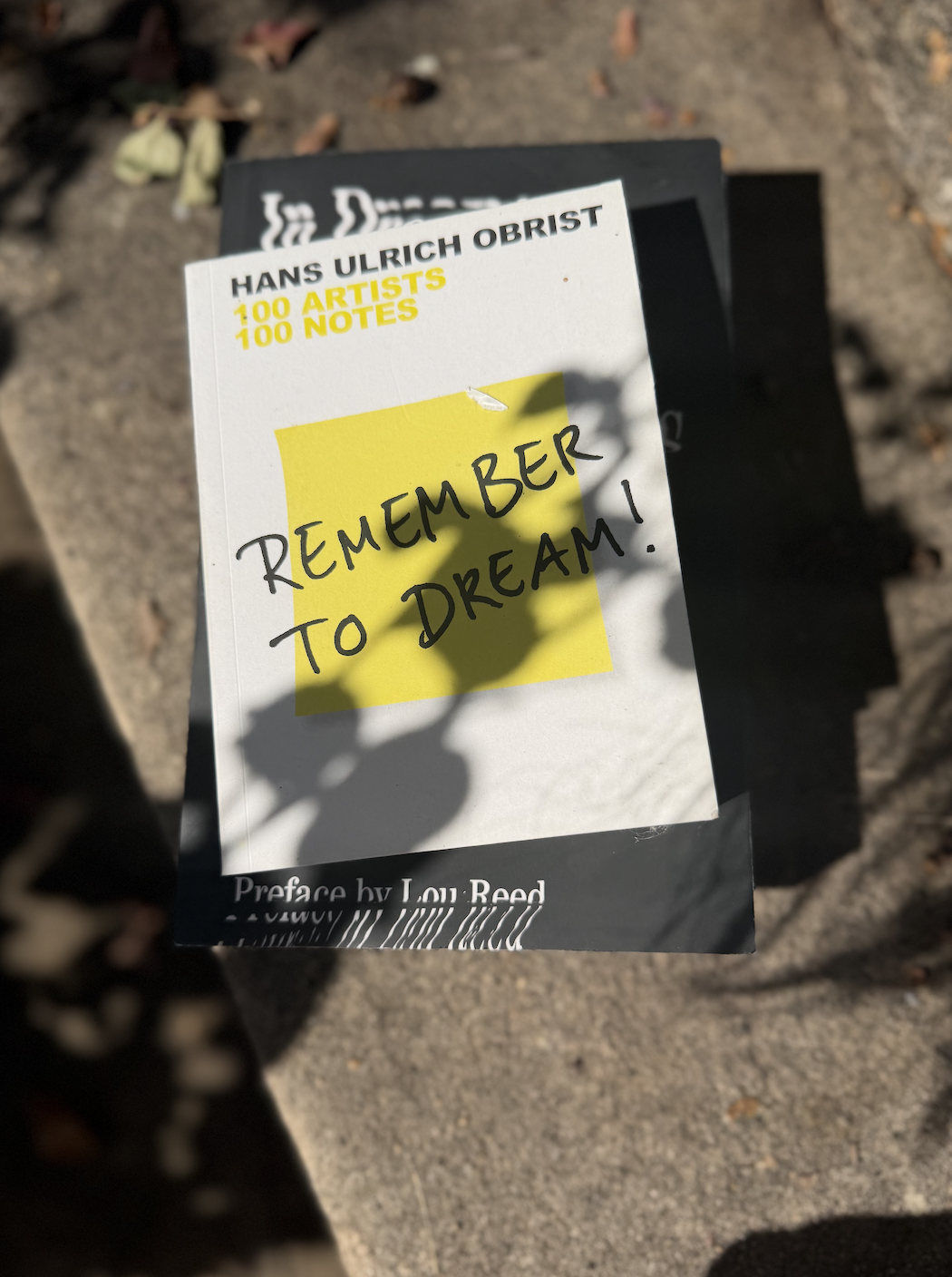
Hans Ulrich Obrist, Remember to Dream: 100 Artists, 100 Notes
Lou Reed, “O Delmore, how I miss you!” (Poetry)
Otobong Nkanga, “Keep Dreaming” (from Obrist’s book)
Tom McCarthy, “Moby Dick and the Indefinite Sublime: On Facing the White Page” (Yale Review)